Swatch card No. SW-7943 · cut October 10, 2026
Trade & TariffsMill spec card
Sri Lanka Locks In 10% US Tariff Rate for Apparel Exports
Sri Lanka has secured a 10% US tariff rate, capping months of uncertainty for its apparel exporters and restoring cost predictability for Western brand buyers.
- Fiber
- Trade & Tariffs
- Count
- 2 min read
- Cut
- Weight
- 483 words
Spec notes
- Sri Lanka secured a 10% tariff rate on exports to the United States
- The rate ends uncertainty over higher reciprocal-tariff brackets for Sri Lankan apparel
- Apparel is Sri Lanka's largest export category to the US market
- Duration and terms of the rate, including any purchase commitments, remain unconfirmed
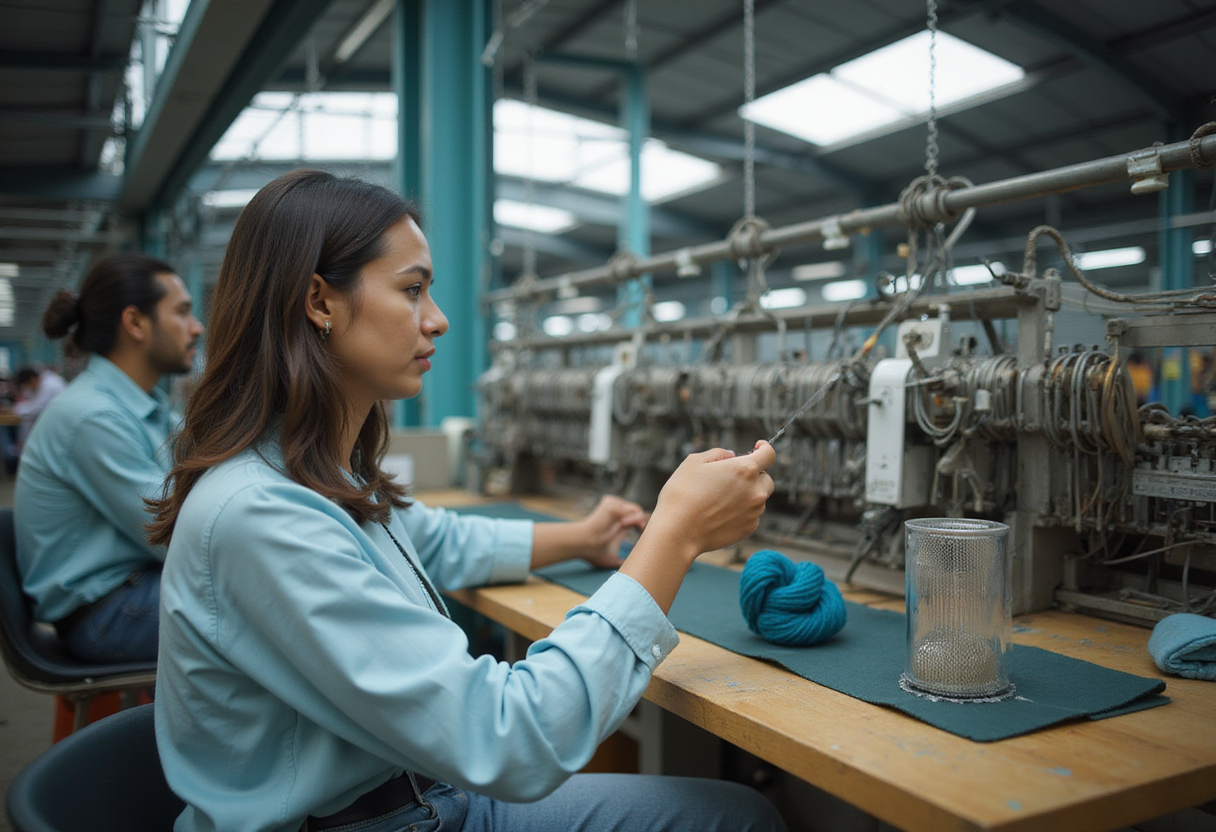
Sri Lanka has secured a 10% tariff rate on its exports to the United States, according to a report by Knitting Industry, ending a prolonged period of uncertainty for the country's apparel manufacturing sector and its buyer base of Western brands.
The confirmed rate settles one of the more consequential sourcing questions of the current US trade cycle. Earlier reciprocal-tariff proposals had placed Sri Lanka in a higher bracket, prompting sourcing managers at US and European brands to reassess order allocations across South Asian supplier markets. A 10% outcome brings Sri Lanka broadly in line with the baseline applied to many competing apparel-exporting countries, removing a cost disadvantage that had threatened to shift volume elsewhere.
What does the agreement mean for sourcing decisions?
For buyers, the headline effect is landed-cost predictability. A fixed 10% duty allows costing teams to recalculate FOB-to-landed spreads on programs already placed with Sri Lankan factories, rather than pricing in worst-case tariff scenarios. Sri Lanka's apparel sector — known for its intimates, activewear and workwear production, and its reputation for ethical compliance and shorter lead times on replenishment programs — had faced the risk that a punitive rate would push US volume toward Bangladesh, Vietnam and India.
The rate also matters for suppliers' margin conversations. Factories that absorbed partial tariff costs through price concessions during the uncertainty period now have a defined ceiling around which to renegotiate terms with brands. Sourcing executives will be watching whether the 10% figure triggers a reallocation of spring and summer 2026 orders back toward Colombo's supplier base.
Who benefits most?
The immediate beneficiaries are Sri Lanka's large vertically integrated manufacturers, which supply major US retailers and sportswear brands and hold certifications — LEED-certified plants, social compliance audits — that US buyers weigh heavily when duty differentials narrow. When tariff rates converge across countries, buyers typically lean harder on non-price factors: compliance records, speed and fabric capability. That plays to Sri Lanka's established strengths.
The move also stabilizes planning for the country's export economy. Apparel is Sri Lanka's largest single export earner to the US market, and the sector had been lobbying Washington intensively since the reciprocal-tariff framework was first announced.
What remains uncertain?
The Knitting Industry report confirms the rate but not the full mechanism behind it — including duration, any quota or purchase commitments Sri Lanka may have offered in exchange, and whether the 10% applies across all product categories or carries exclusions. Buyers should treat the headline rate as confirmed and the surrounding terms as pending detail. Implementation timelines for customs processing also affect real-world lead times, not just duty math.
Sourcing teams with Sri Lankan programs should now review open cost sheets and confirm with suppliers how the rate applies to in-transit and future shipments, while monitoring whether competing markets negotiate comparable terms in the weeks ahead.
via Google News: Apparel & textile tariffs (Source)