Swatch card No. SW-1888 · cut October 10, 2026
Supply Chain & SourcingMill spec card
Sri Lanka's Textile and Apparel Manufacturing Rises 8% in 2025
Sri Lanka's textile and apparel manufacturing output rose 8% in 2025, signalling sustained order flow to the Indian Ocean sourcing hub from key Western markets.
- Fiber
- Supply Chain & Sourcing
- Count
- 2 min read
- Cut
- Weight
- 459 words
Spec notes
- Sri Lanka's textile and apparel manufacturing rose 8% in 2025.
- The figure reflects national manufacturing output, not a company claim.
- The US and UK are Sri Lanka's largest apparel export markets.
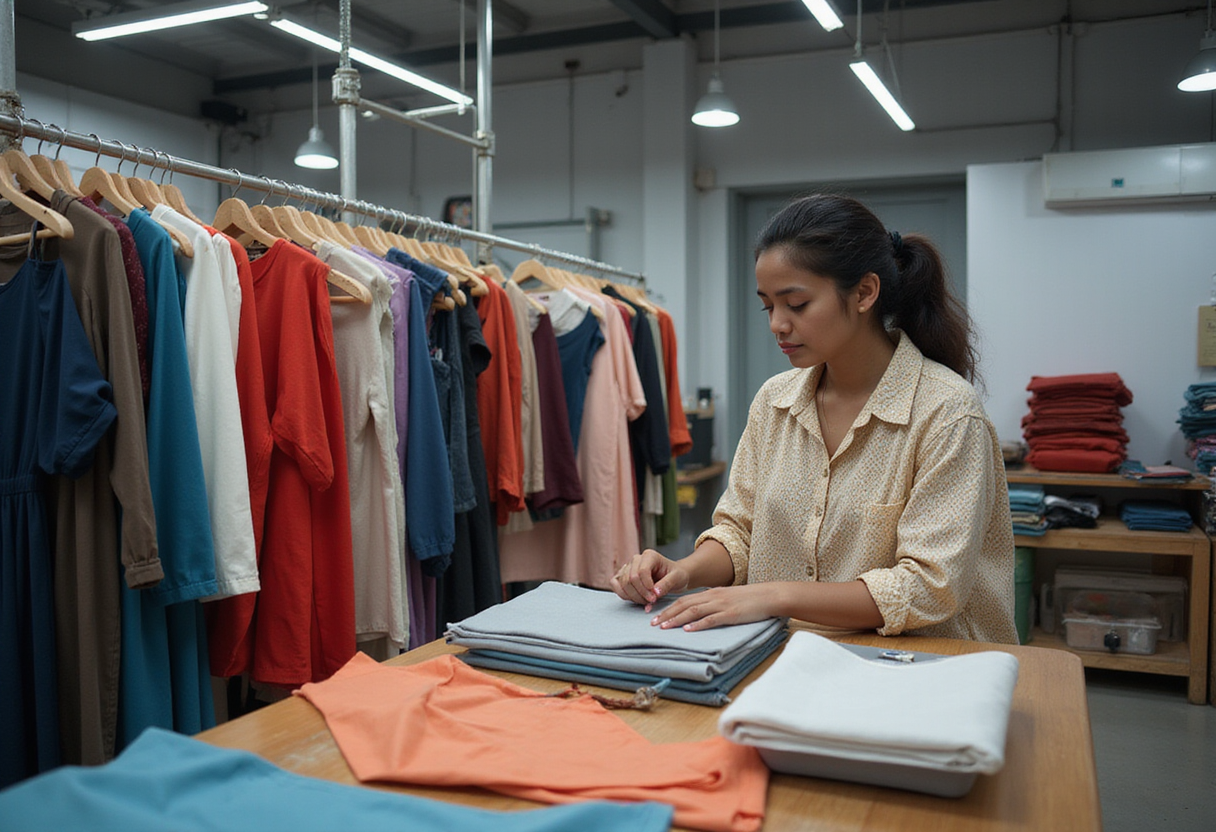
Sri Lanka's textile and apparel manufacturing output rose 8% in 2025, according to data reported by Fibre2Fashion — a volume gain that positions the South Asian exporter among the year's stronger performing apparel supply bases.
For sourcing teams, the figure matters as a capacity and reliability signal rather than a marketing headline. An 8% manufacturing increase indicates factories on the island are producing more garments and textiles year-on-year, implying either new orders from existing buyers, new customer acquisition, or both.
What does the 8% increase mean for buyers?
Sri Lanka competes primarily in the mid-to-premium tier of apparel sourcing — activewear, lingerie, workwear and technical garments — rather than at the lowest price points dominated by Bangladesh and Vietnam on basic volume. Output growth at this level suggests brands continued to allocate orders to Sri Lankan suppliers in 2025 despite freight volatility and tariff uncertainty in key Western markets.
The United States and the United Kingdom remain Sri Lanka's largest apparel export destinations, so the manufacturing uptick points to sustained demand from those channels.
For sourcing directors, the practical questions raised by the figure are straightforward:
- Capacity: Can suppliers absorb incremental volume without extending lead times?
- Pricing: Does higher utilisation stabilise or reduce per-unit costs for 2026 negotiations?
- Compliance: Sri Lankan factories continue to trade on ethical manufacturing credentials — a differentiator for brands facing EU and US due-diligence rules.
- Diversification: The growth supports the case for Sri Lanka as a China-plus-one or Bangladesh-plus-one option within Asian sourcing baskets.
Why single-country output data matters now
Apparel buyers have spent the past two years rebalancing supplier bases in response to shifting tariffs, shipping disruption and buyer-side inventory discipline. Country-level manufacturing data is one of the few hard indicators of whether order flows are actually moving — as opposed to announced intentions to diversify.
An 8% manufacturing increase at a national level is a measured statistical result, not a corporate claim, which gives it weight in sourcing reviews and vendor scorecards.
It also arrives at a moment when Sri Lanka's macroeconomic stabilisation following its 2022 crisis has improved conditions for export manufacturers — energy availability, currency stability and access to imported fabric and trim inputs all affect on-time delivery for overseas buyers.
What to watch next
The open question for 2026 is whether manufacturing growth converts into export revenue growth at comparable rates, and whether Sri Lankan suppliers reinvest the gains in capacity, automation or sustainability certification — the areas where the country has historically justified its higher cost base relative to regional competitors.
Buyers planning spring 2026 order books will likely treat the 8% figure as evidence that Sri Lankan factories entered the new year with firm order visibility.
via Google News: Apparel manufacturing (Source)
More from Marcus Bennett
Show full bio
Senior reporter covering business strategy at The Fabric Brief.
162 articles