Swatch card No. SW-9006 · cut October 10, 2026
Supply Chain & SourcingMill spec card
India's Industrial Output Data Splits Textiles From Apparel
India's industrial output data shows textile and apparel manufacturing diverging, a signal buyers can use on price, capacity and country allocation for 2025 orders.
- Fiber
- Supply Chain & Sourcing
- Count
- 2 min read
- Cut
- Weight
- 444 words
Spec notes
- India's latest Index of Industrial Production shows textile and apparel manufacturing moving in different directions.
- The divergence was flagged in India's official monthly industrial output series, as reported by Business Standard.
- The split signals unequal capacity utilisation between upstream fabric mills and downstream garment factories.
- The report frames the gap as a structural feature of Indian manufacturing rather than a one-month anomaly.
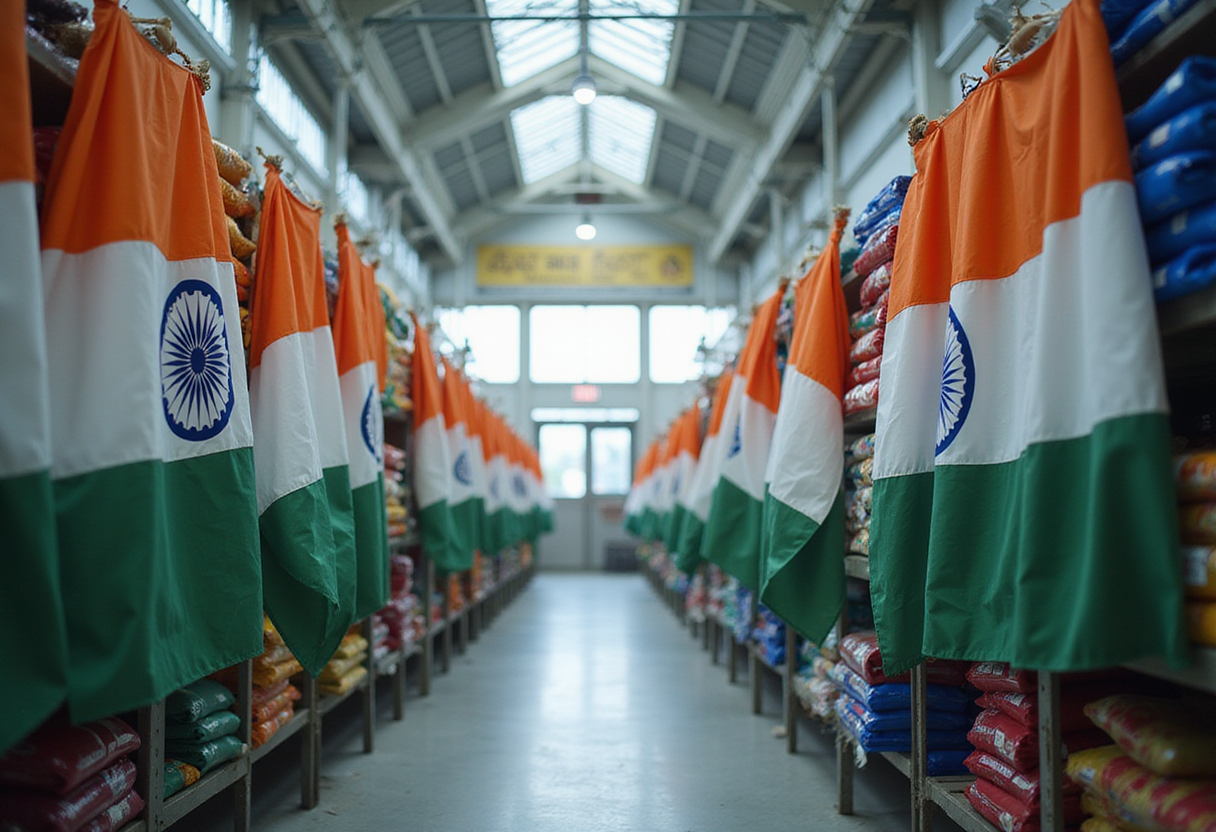
India's latest industrial output data shows textile manufacturing and apparel manufacturing moving in different directions, a divergence with direct consequences for sourcing decisions across South Asia's largest supply base.
The gap matters commercially. Textiles and apparel occupy different points in the same value chain — mills, spinners and fabric makers upstream; cut-make-trim garment factories downstream — and the Index of Industrial Production captures both separately. When the two series diverge, it signals either a build-up of intermediary inventory that garment exporters have not yet converted into shipments, or weak fabric demand feeding through to future garment capacity utilisation.
Why does the split matter for sourcing teams?
For brands and buying houses placing autumn-winter 2025 orders, the divergence raises three practical questions:
- Whether Indian fabric suppliers are producing ahead of confirmed garment orders, which would give buyers near-term leverage on price and lead time
- Whether apparel factories are running below capacity, which affects negotiation posture on minimum order quantities and delivery windows
- Whether upstream strength reflects export demand to non-apparel end uses, such as home textiles or technical textiles, rather than garment-chain health
India competes with Bangladesh, Vietnam and China for apparel programmes, and buyers routinely shift allocation based on precisely this kind of capacity and utilisation signal. A weak apparel reading against a firmer textile reading typically precedes price competition among garment vendors, since factories with idle lines discount to hold volume.
What should supply-chain managers watch next?
The IIP is a monthly series, so one divergent print is a data point rather than a trend. Sourcing professionals will want to see whether the next two releases confirm the pattern before adjusting country allocation. Confirmation would strengthen the case for consolidating orders with Indian vendors at improved terms; reversal would suggest the gap was a timing artefact between fabric production and garment conversion.
The distinction between textiles and apparel also matters for compliance and costing decisions. Fabric mills and garment factories sit under different regulatory and labour-supervision regimes in India, and buyers assessing exposure need to know which segment the weakness sits in before pricing risk into contracts.
Business Standard, which reported the divergence, frames it as a structural question about Indian manufacturing rather than a single month's noise — whether the country's textile base is growing faster than its apparel conversion capacity can absorb, a mismatch that has long shaped India's export mix toward fabric and yarn relative to garment-heavy competitors.
The coming months of IIP data will show whether the textile-apparel gap widens into a persistent constraint on Indian garment export growth or narrows as downstream capacity catches up.
via Google News: Apparel manufacturing (Source)
More from Marcus Bennett
Show full bio
Senior reporter covering business strategy at The Fabric Brief.
162 articles
Also on the board
- India Industrial Data Signals Textile-Apparel Growth Divergence
- India's Industrial Output Data Splits Textiles From Apparel
- India's IIP Data Flags Widening Textiles-Apparel Output Gap
- India Positioned to Capture Apparel Sourcing Shift Away from China: Report
- India's Industrial Output Data Flags Textiles-Apparel Divergence