Swatch card No. SW-2465 · cut October 10, 2026
Apparel ManufacturingMill spec card
Sri Lankan president meets apparel leaders on sector challenges
- Fiber
- Apparel Manufacturing
- Count
- 2 min read
- Cut
- Weight
- 499 words
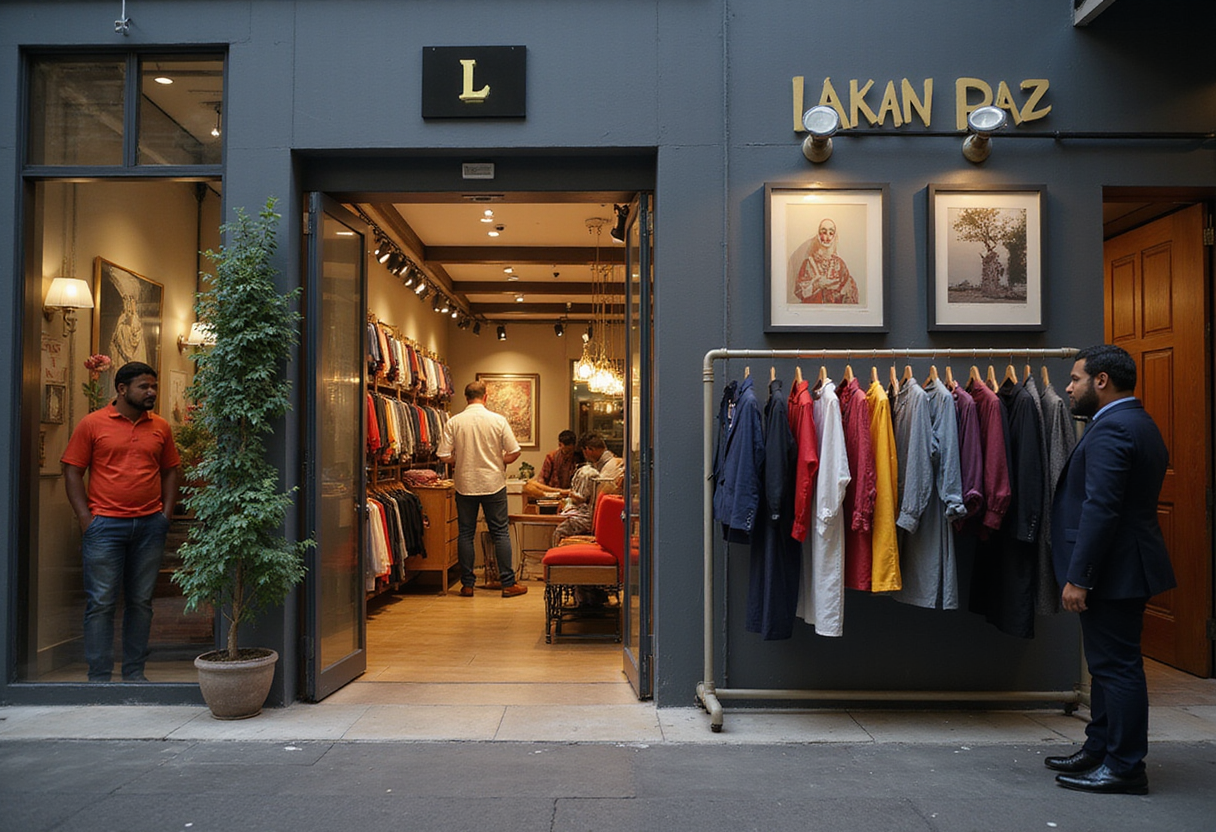
Sri Lanka's president convened apparel industry executives for direct talks on sector challenges, textile trade publication Fibre2Fashion reported. The meeting brought manufacturing leadership and the executive office to the same table on the country's largest merchandise export category.
What role does apparel play in Sri Lankan exports?
Apparel and textiles form Sri Lanka's largest goods-export segment, generating the dominant share of merchandise foreign-exchange earnings. Production concentrates around Colombo, the Katunayake and Biyagama free trade zones, and adjacent industrial corridors. Finished product historically flows to US, EU, and UK retailers and brand-owned suppliers.
The sector has differentiated on quality, speed, and compliance rather than lowest unit cost. That positioning covers intimate apparel, knit basics, sportswear, and workwear — categories where tooling investment and labour skills outweigh the labour-cost gap with lower-cost origins.
Why does a presidential-level meeting matter?
Direct executive engagement with apparel manufacturers typically signals one of three situations:
- Acute response to energy, currency, or trade disruption
- A strategic reset of export-development priorities
- Buyer-confidence management following reputational issues
Each pathway implies different commercial consequences for vendors and brand sourcing teams operating in country.
What pressures typically weigh on Sri Lankan apparel?
Manufacturers in the country carry a familiar stack of constraints:
- Electricity and fuel cost volatility against fixed-price contracts
- ESG, traceability, and social-compliance audit loads from major buyers
- Competition from Bangladesh, Vietnam, Cambodia, and Egypt
- Skilled-labour retention in a tight domestic employment market
What is unclear from the headline-level report?
Fibre2Fashion's item identifies the meeting and its general agenda but does not, in the available version, specify:
- Attendee names from manufacturer associations, the Export Development Board, or trade unions
- Concrete challenges flagged at the table
- Policy commitments or financial measures announced
- Follow-up working group, deadline, or reporting cadence
What does the meeting mean for sourcing teams?
For brand sourcing professionals, a stable Sri Lankan apparel base offers value beyond unit cost. The country delivers geographic spread, EU preferential tariff treatment, and an established vendor base with existing tooling and lead-time investments. Disruption at factory level — whether from currency swings, power cuts, or labour disputes — ripples back to brand inventory plans on standard 60- to 90-day replenishment cycles.
The strategic question for buyers is whether the meeting yields concrete relief on factory-gate economics. Tariff measures, energy subsidies, port-logistics improvements, or labour-code clarity each change the calculation differently.
What comes next?
The next signal will arrive in one of three forms: a formal readout from the Export Development Board or Joint Apparel Association Forum; a follow-up meeting with published deliverables; or visible policy action on energy, trade, or labour files. Until then, the meeting registers as engagement rather than outcome.
For vendors with active orders running through Sri Lankan factories, the practical advice is unchanged: track working-capital exposure, confirm shipment schedules, and watch for any policy adjustments that affect margins or compliance before next season's sourcing round.
via Google News: Apparel & garment industry (Source)
More from Rebecca Stone
Show full bio
Staff writer covering industry trends and analytics at The Fabric Brief.
142 articles
Also on the board
- Sri Lanka's Textile and Apparel Manufacturing Rises 8% in 2025
- JAAF Reaffirms Confidence in Long-Term Strength of Sri Lankan Apparel
- Ocean Lanka Marks 30 Years in Sri Lanka Apparel Production
- Sri Lanka Locks In 10% US Tariff Rate for Apparel Exports
- Sri Lanka Apparel Sector Flags GSP+ Risk, JAAF Tells EU