Swatch card No. SW-4023 · cut October 10, 2026
Trade & TariffsMill spec card
AAFA Pushes Back on New Tariffs for Brazilian Footwear Imports
The AAFA has urged US policymakers to impose no additional tariffs on footwear imported from Brazil, warning of higher landed costs for brands and retailers.
- Fiber
- Trade & Tariffs
- Count
- 2 min read
- Cut
- Weight
- 397 words
Spec notes
- The AAFA has called for no additional tariffs on footwear imported from Brazil
- Additional duties would raise landed costs for US brands and retailers sourcing Brazilian footwear
- The AAFA is the main US trade body for apparel and footwear brands, retailers, and importers
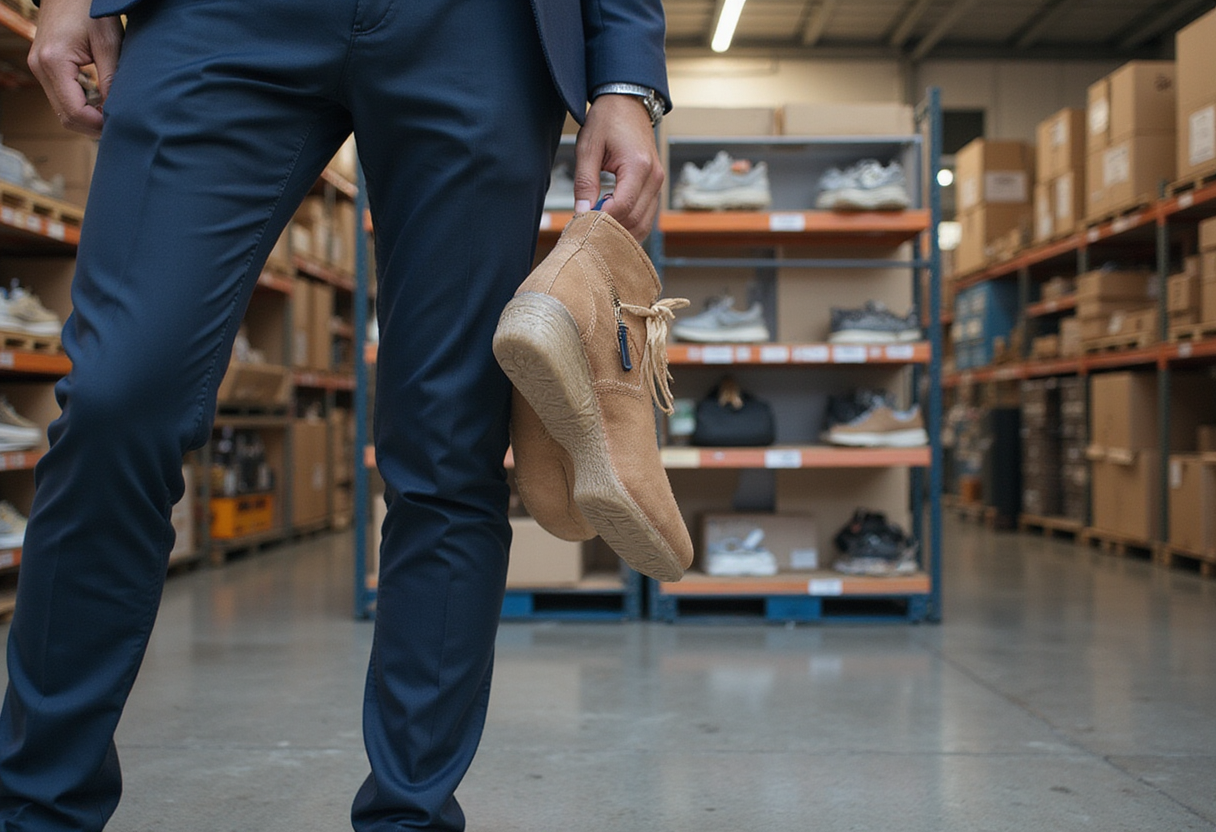
The American Apparel & Footwear Association (AAFA) has called for no additional tariffs on footwear imported from Brazil, pushing back against measures that would raise landed costs for US brands and retailers sourcing from the South American producer.
The AAFA, the Washington-based trade body representing US apparel and footwear brands, retailers, and importers, made the appeal as trade policy affecting Brazilian-made footwear comes under discussion. Footwear is a core import category for AAFA members, and the association has a long record of opposing duty increases that raise costs along the supply chain.
Why does the AAFA oppose additional duties?
Tariffs function as a direct input cost for importers. For sourcing teams, any additional duty on Brazilian footwear would translate into higher landed costs, forcing decisions between margin compression, vendor renegotiation, or retail price increases.
Brazil remains one of the footwear-producing countries from which AAFA members source. Additional tariffs would complicate that relationship and could prompt buyers to shift orders, with knock-on effects on lead times and supplier consolidation.
What does this signal for sourcing teams?
The AAFA's position is a lobbying stance rather than a settled policy outcome. Sourcing and trade compliance professionals should treat it as an early signal: tariff scenarios on Brazilian footwear are live, and the industry's main US association is on record opposing them.
For brands with exposure to Brazilian footwear supply, the practical implications include:
- Higher landed costs if additional duties take effect
- Pressure to renegotiate FOB terms with Brazilian factories
- Potential diversification of footwear sourcing to other origins
- Compliance planning around new tariff lines or rates
The AAFA's appeal also underscores its broader posture on trade measures affecting footwear and apparel imports. The association consistently argues that duties on imported footwear raise costs for US companies and consumers, given that the vast majority of footwear sold in the US is produced overseas.
The call comes amid a broader environment of shifting US trade policy, where tariff proposals affecting multiple partner countries have created planning uncertainty for importers. Industry associations have stepped up engagement with policymakers to limit new cost burdens on supply chains.
Whether US trade authorities act on the tariff question remains open. The AAFA's position, however, makes clear that the industry will contest any additional duty on Brazilian footwear, and sourcing teams with Brazilian vendor relationships should monitor subsequent trade announcements closely.
via Google News: Apparel & textile tariffs (Source)
More from Elena Vasquez
Also on the board
- U.S. Tariffs Layer Fresh Pressure on Brazil's Textile, Footwear Exports
- Rising Tariffs Push Footwear Margins to a Tipping Point
- Tariffs Exposed the Limits of Apparel Sourcing, Not Its Rewiring
- 25 States Target Trump Tariffs in $7.2 Billion Apparel Trade Dispute
- Tariffs Push Sourcing Shifts, But Fashion Sector Holds Course