Swatch card No. SW-2432 · cut October 10, 2026
Sustainability & ComplianceMill spec card
Vardhman Textiles to Take 26% Stake in Serentica Renewables for $4.43M
Vardhman Textiles will pay Rs 41.85 crore ($4.43M) for a minimum 26% stake in Serentica Renewables India 32, locking in 27 MW of wind-solar hybrid capacity for its Himachal Pradesh textile plants under India's captive power framework.
- Fiber
- Sustainability & Compliance
- Count
- 3 min read
- Cut
- Weight
- 642 words
Spec notes
- Investment of Rs 41.85 crore (US$4.43 million) approved for a minimum 26% equity stake in Serentica Renewables India 32 Private Limited
- 27 MW of wind-solar hybrid capacity dedicated to Vardhman textile facilities in Himachal Pradesh
- Deal structured to align with India's captive power compliance framework
- Effective equity outlay works out to roughly Rs 1.55 crore (~US$164,000) per MW of captive capacity allocated
- Commissioning date, per-unit tariff and lock-in period for the captive arrangement have not yet been disclosed
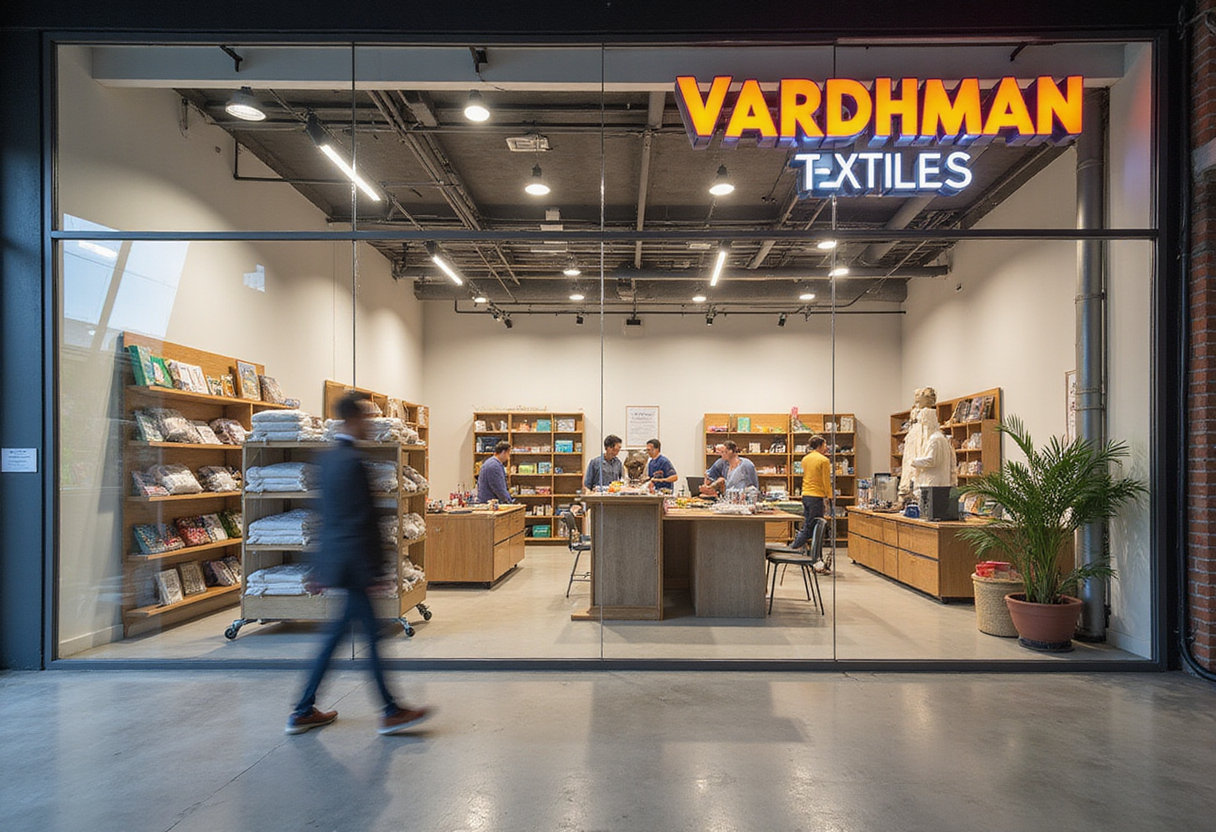
Vardhman Textiles Limited has approved an investment of Rs 41.85 crore (US$4.43 million) for a minimum 26% equity stake in Serentica Renewables India 32 Private Limited, locking in 27 MW of wind-solar hybrid capacity for its textile plants in Himachal Pradesh.
The transaction pulls one of India's largest vertically integrated yarn-to-fabric producers inside its own renewable supply chain. For Vardhman, the renewable kilowatt-hours feeding its spinning, weaving and processing units will arrive supported by a captive structure, rather than via open-market power purchase.
Deal terms, as approved
- Equity stake: minimum 26% in Serentica Renewables India 32 Pvt Ltd
- Capital outlay: Rs 41.85 crore (US$4.43 million)
- Capacity secured: 27 MW, wind-solar hybrid configuration
- Offtake: dedicated to Vardhman textile facilities in Himachal Pradesh
- Rationale: compliance with India's captive power framework
Why captive structure matters for textile mills
Captive status under Indian electricity regulations requires consuming entities to hold a defined equity share in the generating project, allowing them to draw power directly and bypass state discom tariffs and minimum consumption charges. For a yarn-to-fabric producer running high-load spinning and processing lines, captive renewable supply functions as a procurement lever, a cost lever and a disclosure lever simultaneously.
The structure caps exposure to state tariff revisions, supports internal decarbonisation targets, and supplies auditable power traceability for brand-side sustainability audits. India's captive regime has historically favoured group-level equity structures, which is why integrated textile majors with large continuous-process footprints have moved first into this configuration.
A 27 MW block sits in the mid-scale band for captive textile procurement: enough to anchor one large integrated facility, or to balance seasonal load across several sites inside a Himachal Pradesh cluster that includes spinning and downstream processing lines.
What the board note does not yet specify
The approval confirms the equity outlay. The filing stops short of disclosing the project's commissioning date, the per-unit tariff agreed with Serentica, or the lock-in period on the captive arrangement. Vardhman's existing energy mix at the Himachal sites — and any displacement of grid or diesel generation once the captive block is live — also remain unstated, as does the wider build-out pipeline for Serentica India 32.
Implications for sourcing, compliance and channel teams
Worked at face value, Rs 41.85 crore for 27 MW of captive allocation translates to roughly Rs 1.55 crore, or about US$164,000, per MW destined for Vardhman's plants. That per-MW figure will become a benchmark other mills evaluating hybrid self-generation, third-party open-access PPAs or wheeling arrangements price against.
The captive route also reshapes vendor and audit conversations. A mill that owns generation can present its own generation and Renewable Energy Certificate trail to buying brands, removing a layer of documentation between the spinning line and the order book. Whether Vardhman's Himachal facilities can book hybrid RECs in the next compliance cycle will turn on the commissioning timetable for Serentica India 32 — the variable still missing from the deal sheet.
What it signals for the wider textile sector
India's textile manufacturing base faces simultaneous pressure on three fronts: rising state-level power tariffs, the cost of grid balancing, and brand-side Scope 2 disclosure expectations. Captive wind-solar hybrid projects, sized in the tens of megawatts to match spinning-mill load profiles, are emerging as the route that absorbs all three pressures at once.
Vardhman's move formalises what a clutch of other vertically integrated mills have been working towards: long-tenor, low-equity renewable supply tied to specific plant clusters. The Rs 41.85 crore / 27 MW economics set a price anchor that prospecting mills, particularly those with Himachal Pradesh, Tamil Nadu and Gujarat clusters, can stress-test in their own feasibility models.
via Apparel Resources (Source)
More from Tom Whitfield
Show full bio
Market editor covering marketplaces and e-commerce at The Fabric Brief.
173 articles
Also on the board
- Sportking India Commits Rs 1,000 Crore to Khordha Spinning Plant
- Andhra Pradesh Courts Kitex for 2,000-Acre Textile and Apparel Park
- Swaraj Suiting Commits Rs 421 Cr to Spinning Expansion in Neemuch
- Levi Strauss and M&S Launch Renewable Energy Program for Supply Chains
- Rajby Textiles Opens Karachi Garment Unit, Targets 500,000 Pieces a Month