Swatch card No. SW-6664 · cut October 10, 2026
Sustainability & ComplianceMill spec card
Primark signs first multi-year offtake with Circ for recycled polyester
Primark has signed its first multi-year offtake with textile-to-textile recycler Circ, locking in recycled polyester supply for future collections from a planned industrial facility.
- Fiber
- Sustainability & Compliance
- Count
- 3 min read
- Cut
- Weight
- 595 words
Spec notes
- Primark signed its first multi-year offtake agreement with textile-to-textile recycler Circ.
- Recycled polyester will be produced at Circ's planned industrial-scale facility, which has no disclosed start-up date.
- Circ's process targets polycotton blends and recovers both polyester and cellulose for reintroduction into apparel manufacturing.
- Feedstock will include post-consumer and post-industrial textile waste drawn from multiple regions, with European textile waste among the planned sources.
- The agreement sits within Primark's Primark Cares strategy, which targets reduced reliance on virgin polyester.
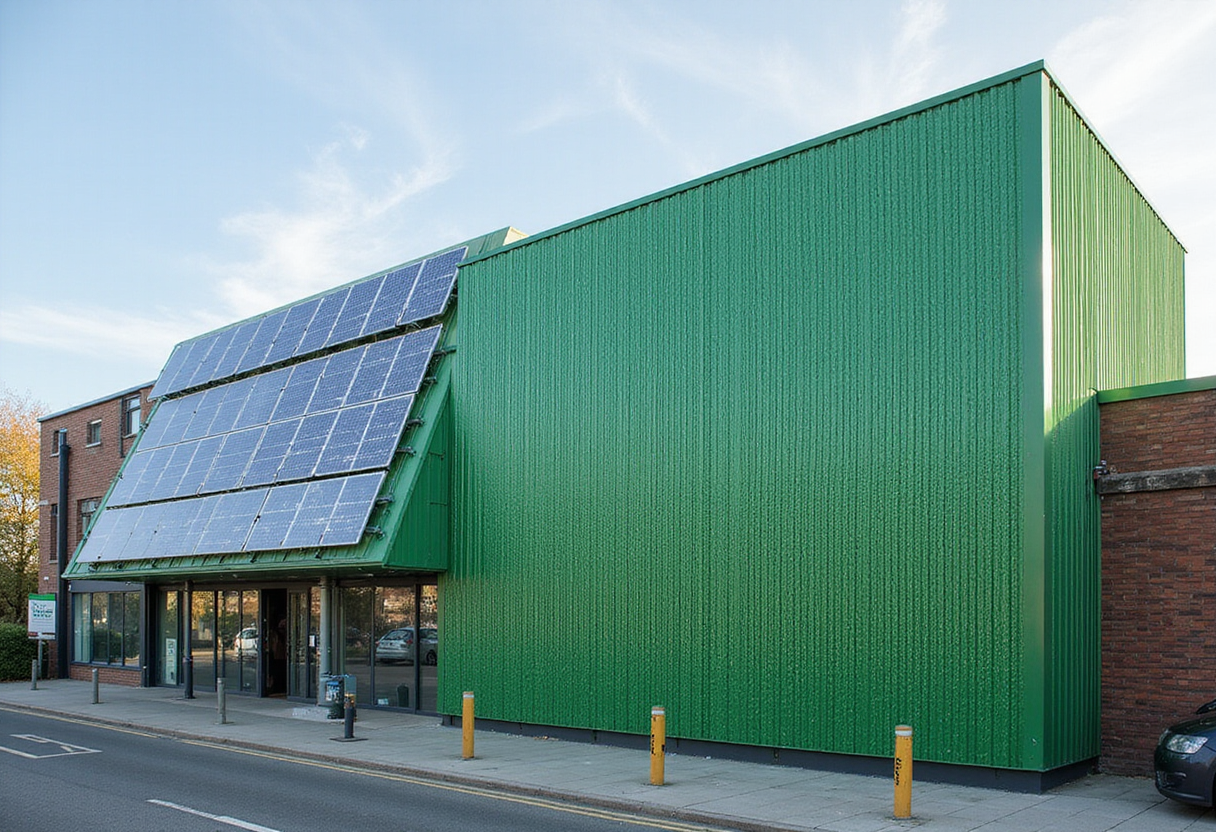
Primark has signed its first multi-year offtake agreement with textile-to-textile recycler Circ, locking in supply of recycled polyester from Circ's planned industrial-scale facility for use across future collections.
The deal shifts a portion of Primark's circular-material sourcing from pilots toward contracted volume, though neither party disclosed specific tonnage, pricing, or delivery dates. Circ's commercial plant, which the company says will draw feedstock from multiple regions including Europe, remains in development.
What does the agreement cover?
Under the terms, Circ will manufacture recycled polyester at the industrial facility for Primark. The feedstock will include both post-consumer and post-industrial textile waste, with European textile waste among the planned sources.
Circ's process targets polycotton blends — a segment of apparel waste that has proven difficult for conventional recycling methods because the fibre mix resists separation. The technology recovers both polyester and cellulose for reintroduction into fashion manufacturing.
Who said what?
Circ CEO Peter Majeranowski framed the agreement as a signal to the broader industry. "This partnership with Primark represents exactly the kind of long-term commercial commitment needed to move textile-to-textile recycling from innovation to industry standard," he said. "When a global fashion retailer commits to integrating recycled materials into future collections, it sends a powerful signal across the industry: the demand is here, the materials are ready, and the opportunity to scale circular material supply chains is real."
Primark Cares director Lynne Walker positioned the deal within the retailer's durability and circularity roadmap. "We launched Primark Cares with a focus on improving the quality and longevity of our clothing, and in the process show that clothes made to last longer don't have to come at a higher price," she said.
Walker added that Primark has increased recycled-fibre use, launched products designed to be recycled, and expanded supply-chain traceability. She called the Circ agreement "an important milestone in accelerating our ambitions to further embed circularity in our business and help scale innovative textile-to-textile recycling solutions."
What does the source not yet confirm?
Three commercial points remain undisclosed:
- Annual offtake volume
- Unit cost relative to virgin polyester
- Facility start-up date
The "planned" industrial-scale status also means delivery timing depends on construction and commissioning milestones Primark has not tied to a public calendar.
How does it fit Primark's sourcing strategy?
The Circ deal extends a stated shift away from virgin polyester in Primark's supply base. The agreement sits under Primark Cares, the retailer's umbrella programme that also includes design-stage circularity work and customer-facing reuse and repair initiatives.
The polycotton focus aligns with the bulk composition of fast-fashion returns and end-of-use garments, where polyester-cotton mixes dominate the discard stream.
Why polycotton matters for sourcing teams
Polycotton accounts for a large share of the apparel sector's blended-textile waste and has historically been excluded from mechanical recycling streams. Solvent- or chemical-based separation processes, such as the one Circ uses, allow both fibre types to re-enter production rather than being downcycled or incinerated.
For brand sourcing teams, that creates a potential path to higher recycled-content claims on blended categories — jeans, shirting, basic tops — where mechanical alternatives have been limited.
What to watch next
Primark's commercial rollout of Circ-derived fibres will hinge on the recycler's facility reaching nameplate capacity. Industry observers will look for disclosed volumes, certification of the recycled polyester under standards such as the Global Recycled Standard, and the first product categories carrying the new material.
via Just Style (Source)
More from Tom Whitfield
Show full bio
Market editor covering marketplaces and e-commerce at The Fabric Brief.
173 articles
Also on the board
- Primark signs multi-year Circ offtake for recycled polyester with 2029 rollout
- Primark Signs Multiyear Offtake Deal for Circ Recycled Polyester
- Huafon Backs Circ with 200-Ton-Per-Day Textile Recycling Plant in China
- Yeşim Group Pairs Circular Textiles With Women's Workforce Push
- Parkdale Takes Full Ownership of CiCLO Biodegradable Fiber Tech