Swatch card No. SW-6716 · cut November 7, 2026
Supply Chain & SourcingMill spec card
RMG Leaders Meet Bangladesh Home Minister as Workers Block Highway
RMG leaders met Home Minister Salahuddin Ahmed on 2 November as Gazipur workers blocked the Dhaka-Tangail highway demanding wage rises, with ten BGB platoons deployed.
- Fiber
- Supply Chain & Sourcing
- Count
- 3 min read
- Cut
- Weight
- 535 words
Spec notes
- RMG industry leaders met Home Minister Salahuddin Ahmed on Monday, 2 November, at the Secretariat in Dhaka
- Garment workers in Gazipur blocked the Dhaka-Tangail highway demanding wage increases
- Ten platoons of the Border Guard Bangladesh were deployed to bolster security
- Labour and Employment Minister Ariful Haque Chowdhury and DMP Commissioner Mosleh Uddin Ahmed attended the meeting
- No wage figure or meeting outcome has been announced
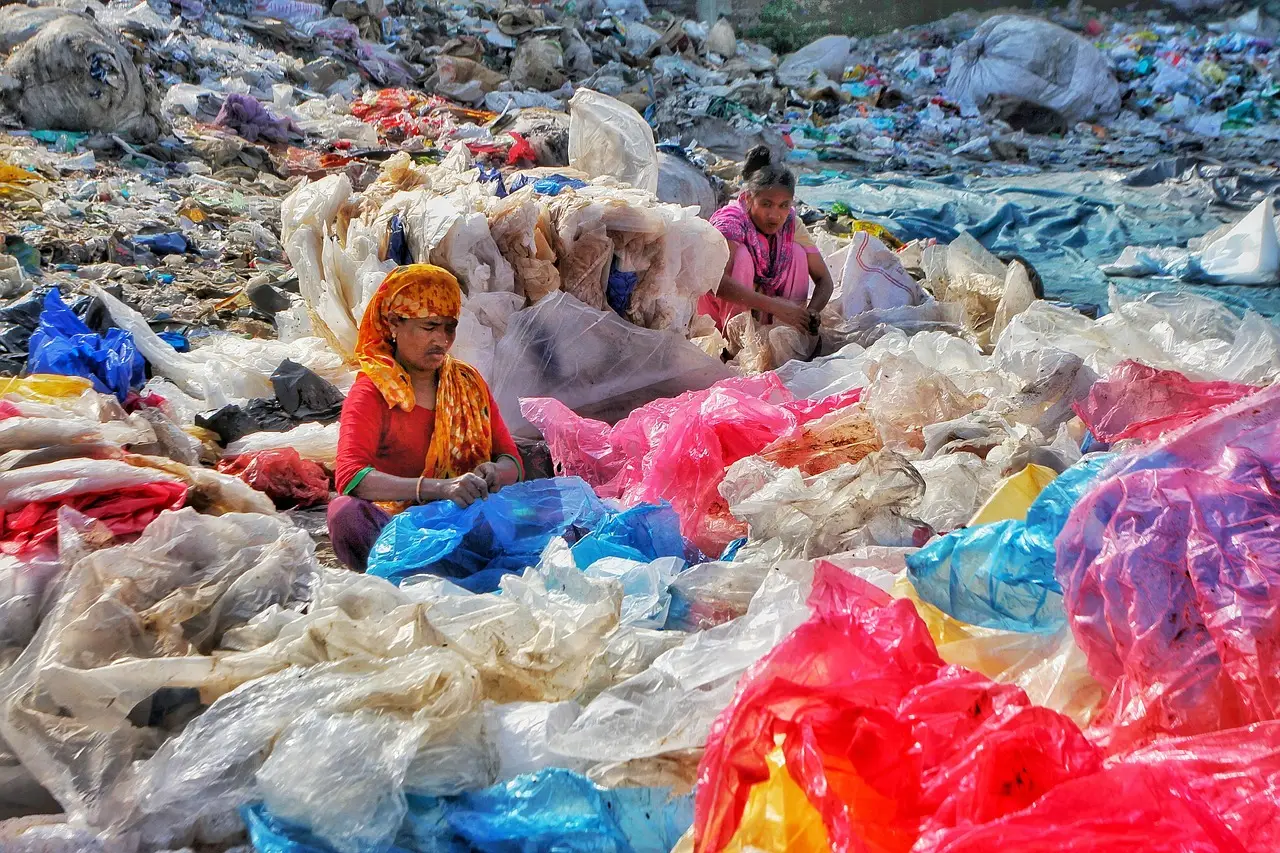
Bangladesh's ready-made garment industry leaders met Home Minister Salahuddin Ahmed on Monday morning, 2 November, at the Secretariat in Dhaka, as garment workers blocked the Dhaka-Tangail highway in Gazipur to demand wage increases.
The meeting pulled together an unusually senior lineup for a labor dispute. The Prime Minister's Advisor on Education and Primary & Mass Education, Mahdi Amin, attended, alongside the Minister of Labour and Employment, Ariful Haque Chowdhury, and senior police officials including Dhaka Metropolitan Police Commissioner Mosleh Uddin Ahmed. RMG sector leaders completed the room.
The attendance list tells its own story. When a home minister, a labour minister and the DMP commissioner sit down with factory owners on the same morning that security forces are deployed along a national highway, the conversation is no longer about wages alone. It is about order, continuity and the delivery schedules that hang on both.
What does this change for sourcing?
The immediate commercial exposure is logistical. Workers in Gazipur — one of the country's densest garment manufacturing belts — have blocked the Dhaka-Tangail highway, a main artery for moving fabric, trims and finished goods between factories and Dhaka-bound transport links. Road connectivity and traffic flow in the area face significant disruption.
For brands and buying houses, that translates into delayed inbound and outbound movements, unpredictable trucking times and a growing risk of missed cut-off dates. Buyers with order books concentrated in Gazipur should assume longer lead-time buffers until the blockade clears and should verify shipment status factory by factory rather than relying on region-level reporting.
The wage demands themselves point to a cost question that will not be settled by one meeting. Any increase in the workers' minimum wage flows directly into factory cost sheets, and ultimately into FOB negotiations. Suppliers under margin pressure will seek to pass the increase on; buyers will ask for documentation. That discussion is only beginning.
Security response escalates
Authorities have responded with force levels that signal how seriously they view the unrest:
- Additional police personnel deployed to the protest scenes to manage the situation and maintain law and order
- Ten platoons of the Border Guard Bangladesh deployed to bolster security
- Senior police leadership engaged directly at ministerial level
Ten BGB platoons is not a routine presence for an industrial dispute. It marks an escalation from ordinary crowd control toward a posture intended to protect infrastructure and keep the highway corridor open.
Confirmed facts versus open questions
What is confirmed: the meeting happened, on 2 November, with the named ministers and officials present; the highway blockade is ongoing in Gazipur; the wage increase demand is the stated cause; police and BGB deployments are in place.
What remains open: any agreement reached in the meeting, a figure for the wage increase under discussion, and a timeline for clearing the highway. No outcome statement accompanied the source report.
Buyers should treat the situation as active rather than resolving. Until an agreed wage figure and a restoration of road access are confirmed, the practical stance is daily monitoring, direct contact with Gazipur-based suppliers, and a contingency review of shipment windows. The next concrete signal will be what, if anything, emerges from the Secretariat in writing.
via Google News: Apparel & garment industry (Source)
More from Tom Whitfield
Show full bio
Market editor covering regulation, policy and their impact on fashion industry as a trade and business at The Fabric Brief.
296 articles
Also on the board
- Bangladesh Garment Leaders Meet Home Minister Amid Wage Unrest
- Hundreds of Bangladesh Garment Factories Shut as Wage Protests Enter Fourth Day
- Bangladesh Opposition Chief Claims Conspiracy Behind Garment Unrest
- Dhaka blames factory owners and ex-officials for RMG unrest
- Labour Unrest Puts Bangladesh Garment Sector on Alert