Swatch card No. SW-3440 · cut November 2, 2026
Supply Chain & SourcingMill spec card
Dhaka blames factory owners and ex-officials for RMG unrest
Bangladesh's home minister says factory owners tied to banned Awami League politics, a former MP and ex-state minister drove RMG protests, as workers demand a Tk 30,000 minimum wage.
- Fiber
- Supply Chain & Sourcing
- Count
- 3 min read
- Cut
- Weight
- 595 words
Spec notes
- Workers are demanding a minimum wage of Tk 30,000 in protests lasting several days.
- Home Minister Salahuddin Ahmed accused factory owners, a former MP and a former state minister of involvement on Monday.
- A wage board has been formed; its first meeting could be held the same day.
- 24-hour surveillance and a police headquarters control room will monitor the sector.
- BGMEA and BKMEA were asked to submit lists of owners who deliberately closed factories.
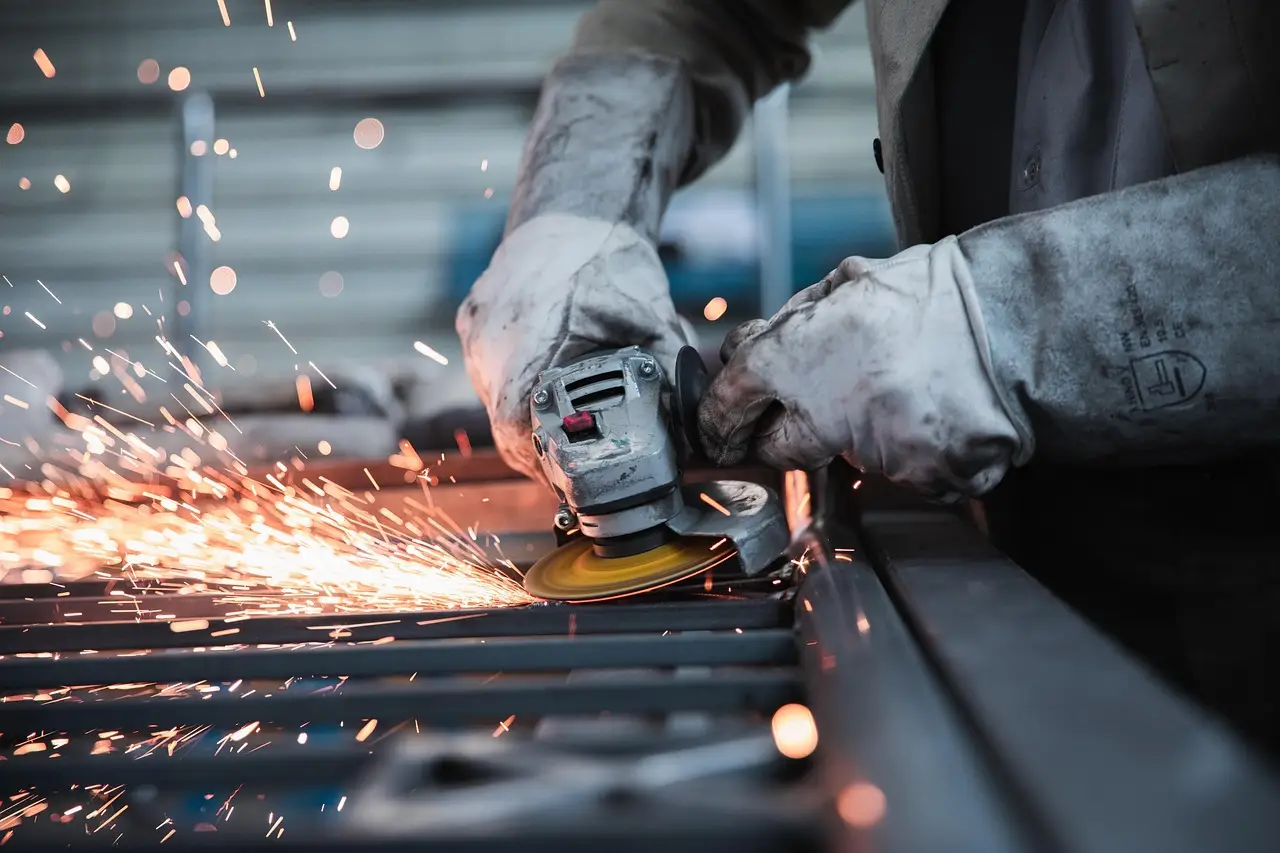
Bangladesh's Home Minister Salahuddin Ahmed has accused garment factory owners, a former MP and a former state minister of fuelling the RMG worker protests that have disrupted the country's largest export sector for days.
The minister made the claim on Monday morning at a press conference in Dhaka, following a meeting with leaders of BGMEA and BKMEA, the two apex apparel manufacturers' associations, held in the conference room of the Ministry of Home Affairs at the Secretariat.
The immediate trigger for the unrest is a wage demand. Garment workers have been protesting for several days, demanding a minimum wage of Tk 30,000.
Who does the government blame?
Ahmed pointed directly at industry insiders. "Garment industry owners who are involved in the Awami League's politics have also been working behind creating unrest. It is unfortunate that some industrialists are involved in this. Former MPs and state ministers are also involved," he said, referring to the party whose activities are now banned.
He alleged that some supporters of the fallen former government are using innocent workers to create instability. He said authorities have identified those blocking roads and highways and setting fires.
The minister told the owners' associations that some industrialists deliberately closed their factories. He has asked BGMEA and BKMEA leaders to submit a list of them. The government has also requested a list of worker leaders and organisations it says are involved in creating unrest.
"We do not want any factory to close, not even for a moment," Ahmed said.
What enforcement measures are in place?
The government has set up 24-hour surveillance of the garment sector. The Home Ministry and the Police Department have appointed specific liaison persons, and the owners' associations will each designate counterparts for communication.
Instructions have been issued to establish a control room at police headquarters, where the situation will be monitored through security apps.
Ahmed said a few individuals have already been brought under the law, and that authorities hold video footage, audio recordings and clips of violent incidents as evidence. He warned that those engaging in anti-law-enforcement activity under the guise of a labour movement would be "sternly suppressed" and face legal action. He insisted no actual workers are involved in the unrest.
Where does the wage board stand?
A wage board has already been formed by notification, with representatives named from both the owner and worker sides. Ahmed said the first meeting could take place on Monday, or within a very short time, after which the minimum wage will be determined and announced as soon as possible.
He noted the government initiated the process of setting up a Minimum Wage Board — which under existing practice is constituted every three years — weeks ago. Owners named their representative promptly; worker organisations submitted theirs only the night before last.
The government planned to meet labour union representatives at around 3 PM on Monday to hear their views before deciding on next steps.
Asked about the possible return of former Prime Minister Sheikh Hasina in December, Ahmed said: "Fascist forces and fugitive leaders who want to return should do so quickly. Why should it take until December?"
Expatriate Welfare Minister Ariful Haque Chowdhury, Prime Minister's Advisor Mahadi Amin, labour leader and Member of Parliament Shimul Biswas attended the press conference.
For sourcing executives, the salient variables now are the wage board timeline and factory continuity: the outcome of Monday's labour meeting and the board's first session will shape labour costs and delivery risk across Bangladeshi supply chains in the weeks ahead.
via Google News: Apparel & garment industry (Source)
More from Marcus Bennett
Show full bio
Senior reporter covering money, funding and market shifts around fashion industry as a trade and business at The Fabric Brief.
251 articles
Also on the board
- Bangladesh Opposition Chief Claims Conspiracy Behind Garment Unrest
- Labour Unrest Puts Bangladesh Garment Sector on Alert
- Bangladesh Garment Sector Faces Question Over Shock Readiness
- Bangladesh Apparel Sector Eyes FY2026-27 Budget With Concrete Asks
- Bangladesh Garment Makers Urge Fair Pricing, Not Charity, From Global Buyers