Swatch card No. SW-1858 · cut November 2, 2026
Supply Chain & SourcingMill spec card
Bangladesh Opposition Chief Claims Conspiracy Behind Garment Unrest
Bangladesh opposition leader Shafiqur Rahman alleges a conspiracy to destroy the garment industry as wage protests close nearly 600 factories ahead of the winter season.
- Fiber
- Supply Chain & Sourcing
- Count
- 3 min read
- Cut
- Weight
- 541 words
Spec notes
- Opposition leader Shafiqur Rahman claims nearly 600 garment factories have been declared closed amid unrest.
- Workers demand a minimum monthly wage of Tk 30,000 (about $250).
- Clashes between police and workers hit Dhaka's Mirpur on Sunday and Savar's Ashulia on Monday.
- Shafiqur alleged in a 2 November Facebook post that conspirators are exploiting wage demands to destroy the industry.
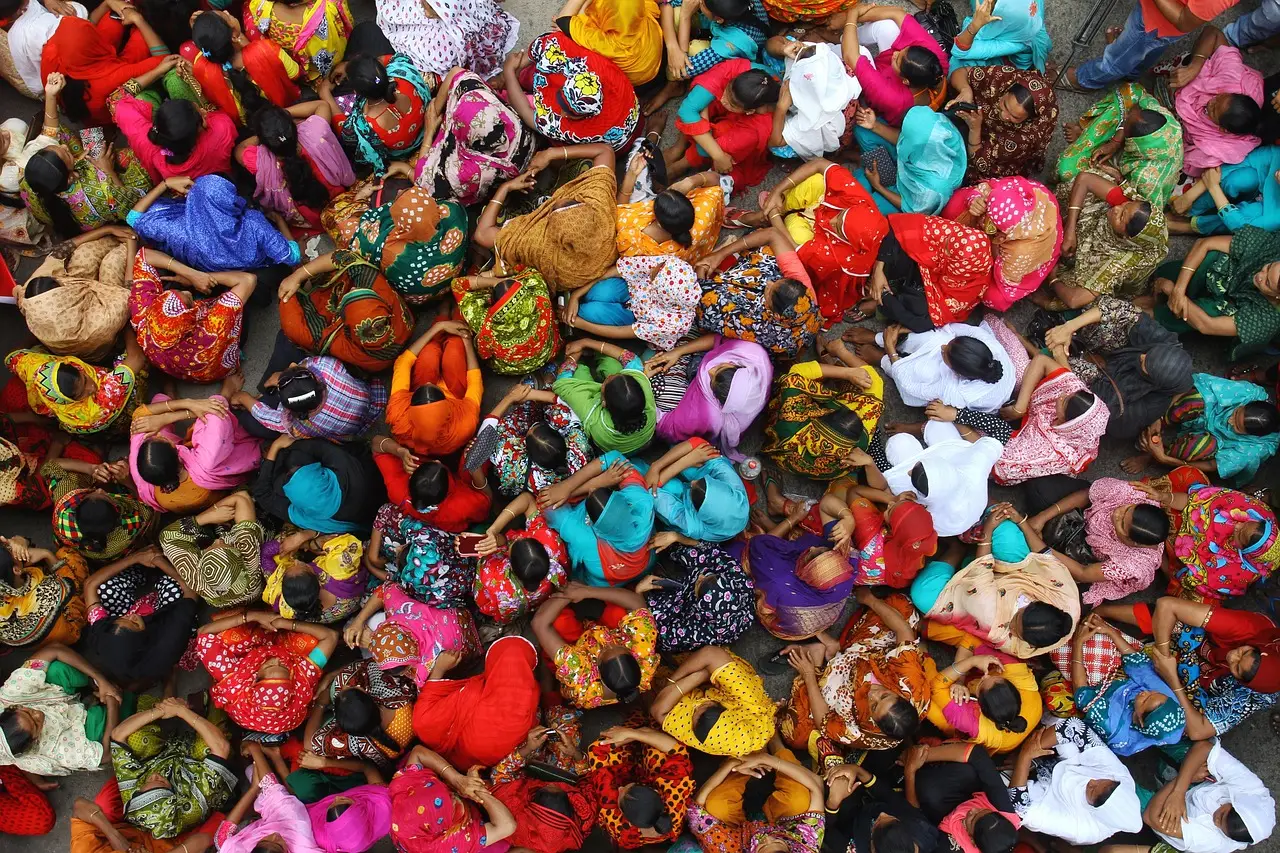
Nearly 600 garment factories have been declared closed as Bangladesh's opposition leader alleges a coordinated plot to destroy the country's dominant export industry.
Shafiqur Rahman, Ameer of Jamaat-e-Islami and opposition leader in parliament, made the claim in a Facebook post on Monday, 2 November. He said vested interest groups are exploiting workers' wage demands to stoke unrest.
"It appears that conspirators and vested interest groups are trying to incite unrest and destroy the garment industry. The government must take a firm stance on this," Shafiqur wrote.
What triggered the unrest?
Garment workers have protested in Dhaka for several days, demanding a minimum monthly wage of Tk 30,000 (about $250). The current unrest follows a familiar pattern: wage demands, street mobilisation, and a production shutdown that shifts costs onto factory owners and their order books.
On Sunday, clashes broke out between police and workers during a blockade in Dhaka's Mirpur area. On Monday, the confrontation spread to Savar's Ashulia, the industrial suburb that houses many of the country's largest apparel plants. Workers and police were involved in chases and running clashes there.
Shafiqur said unrest was continuing nationwide, with reports of vandalism and arson attacks on industrial establishments in different areas. He offered no evidence for the conspiracy claim, and his post did not identify any group.
What does the closure figure mean for buyers?
The claim of nearly 600 closed factories came from the opposition leader himself, not from the BGMEA (Bangladesh Garment Manufacturers and Exporters Association, the industry's main trade body) or government sources. Sourcing managers should treat the figure as an assertion rather than a verified count until trade bodies confirm it.
Closures at this scale carry direct consequences: delayed shipments, renegotiated delivery windows, and potential air-freight penalties as brands chase winter-season deadlines. Shafiqur himself noted the timing risk.
"As the winter season approaches, the garment industry usually sees promising prospects. The possibility of a deep-rooted conspiracy to destroy that prospect cannot be ruled out," he said.
Who pays, and what remains unsaid?
Shafiqur positioned himself against both violence and blame. "No owner or worker can establish their rights by destroying industrial establishments. We believe no worker would be involved in such activities," he said.
That formulation shifts responsibility to unnamed third parties, a claim that conveniently absolves both workers and owners, and he named no suspects.
Notably absent from his post: any position on whether the Tk 30,000 wage demand is affordable, any reference to the current minimum wage level, and any concrete proposal beyond a call for government firmness. He urged all parties, including factory owners and workers, to remain alert.
For supply-chain professionals, the immediate questions are operational, not rhetorical. Which factories among the reported closures serve which buyers, how long will Ashulia and Mirpur remain disrupted, and will the wage demand move to the negotiating table before order cancellations do.
The unrest shows no confirmed resolution timeline, and the government has not yet responded publicly to Shafiqur's demand for a firm stance. Watch for a verified factory-closure count from the BGMEA and any wage-board announcement in the coming days as the signals that matter for winter-season commitments.
via Google News: Apparel & garment industry (Source)
More from Priya Raman
Show full bio
Correspondent covering people, launches and day-to-day practice in fashion industry as a trade and business at The Fabric Brief.
298 articles
Also on the board
- Dhaka blames factory owners and ex-officials for RMG unrest
- Labour Unrest Puts Bangladesh Garment Sector on Alert
- Bangladesh Garment Sector Faces Question Over Shock Readiness
- Bangladesh Garment Makers Urge Fair Pricing, Not Charity, From Global Buyers
- Bangladesh Apparel Sector Eyes FY2026-27 Budget With Concrete Asks