Swatch card No. SW-6636 · cut November 4, 2026
Supply Chain & SourcingMill spec card
Hundreds of Bangladesh Garment Factories Shut as Wage Protests Enter Fourth Day
Hundreds of Bangladeshi garment factories have closed as wage protests enter a fourth day, with 29 arrested and a new wage board convened to settle the dispute.
- Fiber
- Supply Chain & Sourcing
- Count
- 3 min read
- Cut
- Weight
- 540 words
Spec notes
- Hundreds of factories closed amid wage protests; at least 29 protesters arrested, BBC reported.
- Government formed a wage review board on 1 November after an emergency meeting led by PM Tarique Rahman.
- IndustriALL Bangladesh Council demands TK32,085 ($250) monthly, versus a current average of TK13,000 ($105).
- 2023 wage review set the minimum at TK12,500 ($114), below the TK20,393 ($184.6) demanded.
- Bangladesh employs over 4 million garment workers and supplies H&M, Primark and Inditex.
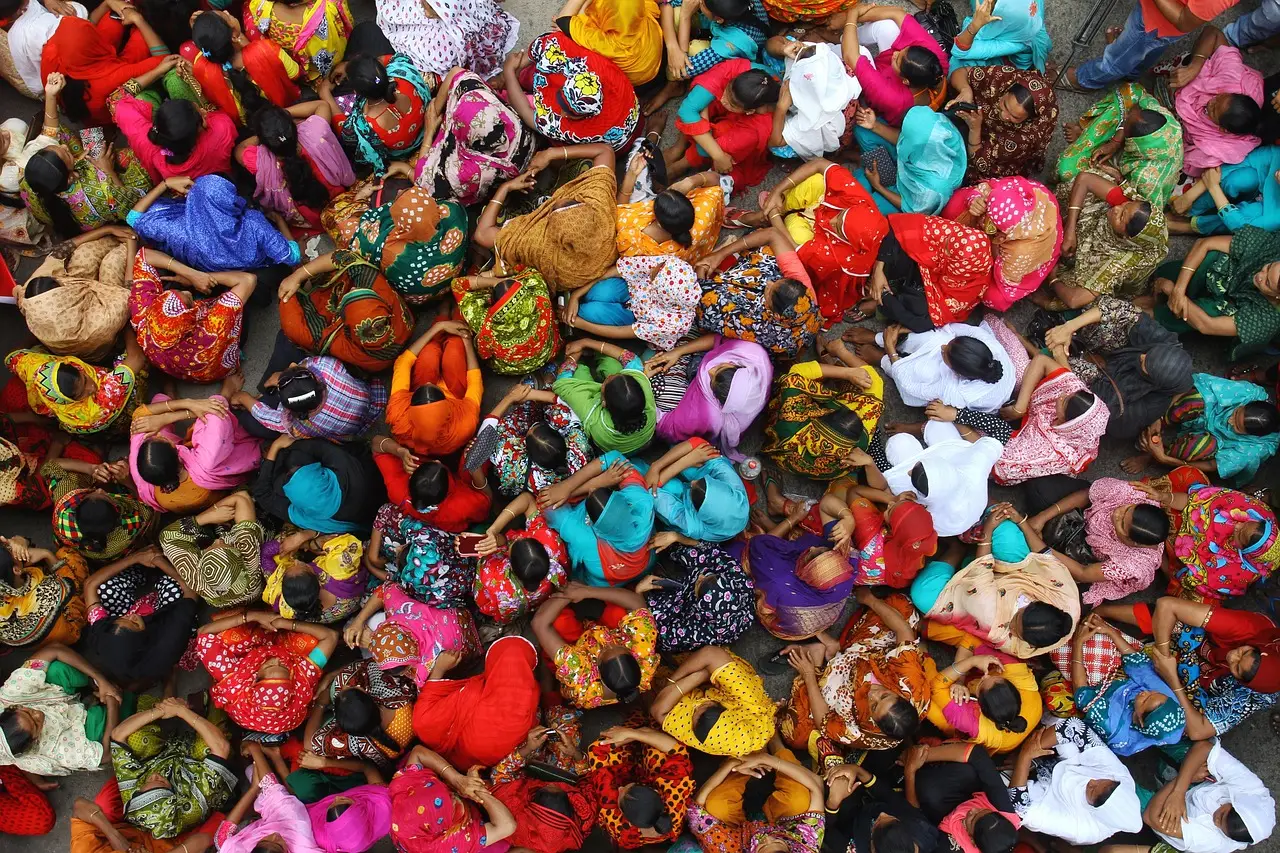
Hundreds of garment factories in Bangladesh have closed as wage protests entered their fourth day in Dhaka, with at least 29 protesters arrested for closing roads and vandalising factories, BBC News reported. For sourcing teams shipping from the world's second-largest apparel exporter, the shutdowns hit capacity and lead times at the peak of the ordering cycle.
The closures mark an escalation in a dispute over wages in the readymade garment sector. Demonstrations began in Dhaka and have continued despite government intervention.
On 1 November, the government formed a board to review worker wages after Prime Minister Tarique Rahman held an emergency meeting with ministers. The board convened on Sunday. Protests continued regardless.
Who sits on the wage board?
Local outlet The Daily Star reports that Dhaka University's Professor Mosleh Uddin Ahmen has been named as an independent member of the board, alongside representatives for employers and workers. The body aims to determine a new minimum wage for the sector.
No timeline for a decision has been announced. Sourcing managers will watch the board's schedule closely, because the outcome sets the labour cost base for every contract placed with Bangladeshi suppliers.
What are the numbers at stake?
The IndustriALL Bangladesh Council has called for a minimum monthly wage of TK32,085 (US$250) for readymade garment workers, in response to rising living costs. That figure is more than double the current standard. Garment workers today take home an average of TK13,000 ($105) per month.
The gap between demand and current pay frames the negotiation:
- Union demand: TK32,085 ($250) per month
- Current average take-home: TK13,000 ($105) per month
- 2023 minimum wage: TK12,500 ($114) per month
- 2023 worker representative demand: TK20,393 ($184.6) per month
The last wage review took place in 2023, when the Bangladesh Minimum Wage Board raised the minimum to TK12,500 ($114) a month. That settlement fell substantially below the TK20,393 ($184.6) initially demanded by the worker representative on the board. The 2023 precedent — a settlement well below the opening demand — suggests buyers should model cost scenarios between the current average and the union's TK32,085 ask rather than assume the full figure.
Why the disruption matters for supply chains
Bangladesh is the second-largest apparel exporter in the world after China. The sector employs more than 4 million workers and supplies global fashion giants including H&M, Primark and Inditex.
The scale of the workforce explains the unrest. Any settlement near the union's demand would raise the monthly wage bill for a 4-million-strong workforce by a sum measured in hundreds of millions of dollars annually across the industry, with the question of who pays — brands through FOB prices, or factory owners through margins — unresolved.
The Bangladesh Garment Manufacturers and Exporters Association (BGMEA) had not responded to a request for comment at the time of writing. Buyers with open orders in Dhaka-area facilities will need to confirm factory-by-factory status, as closures and vandalism carry immediate implications for shipment schedules and compliance risk assessments.
With the wage board now seated and protests continuing, the coming weeks will determine whether Bangladesh resets its labour cost base through negotiation or through prolonged disruption.
via bbc.co.uk (Original)
More from Rebecca Stone
Show full bio
Staff writer covering people, launches and day-to-day practice in fashion industry as a trade and business at The Fabric Brief.
263 articles