Swatch card No. SW-5410 · cut October 10, 2026
Apparel ManufacturingMill spec card
PDS, Busana Apparel Announce Next-Generation Apparel Manufacturing Pact
PDS and Busana Apparel have announced a joint push to build what they describe as the next generation of apparel manufacturing, though no factory list, unit volumes, investment figure, or production timeline accompanied the announcement.
- Fiber
- Apparel Manufacturing
- Count
- 3 min read
- Cut
- Weight
- 523 words
Spec notes
- PDS and Busana Apparel announced a partnership aimed at developing next-generation apparel manufacturing capacity.
- The announcement disclosed no factory locations, unit volumes, investment figures, or production timeline.
- The headline 'build' language signals joint construction of new platform capacity rather than a rebranding of existing volume.
- Trade-press framing positions the deal as an intent statement pending operational disclosure, consistent with platform announcements that typically precede brand LOIs by several quarters.
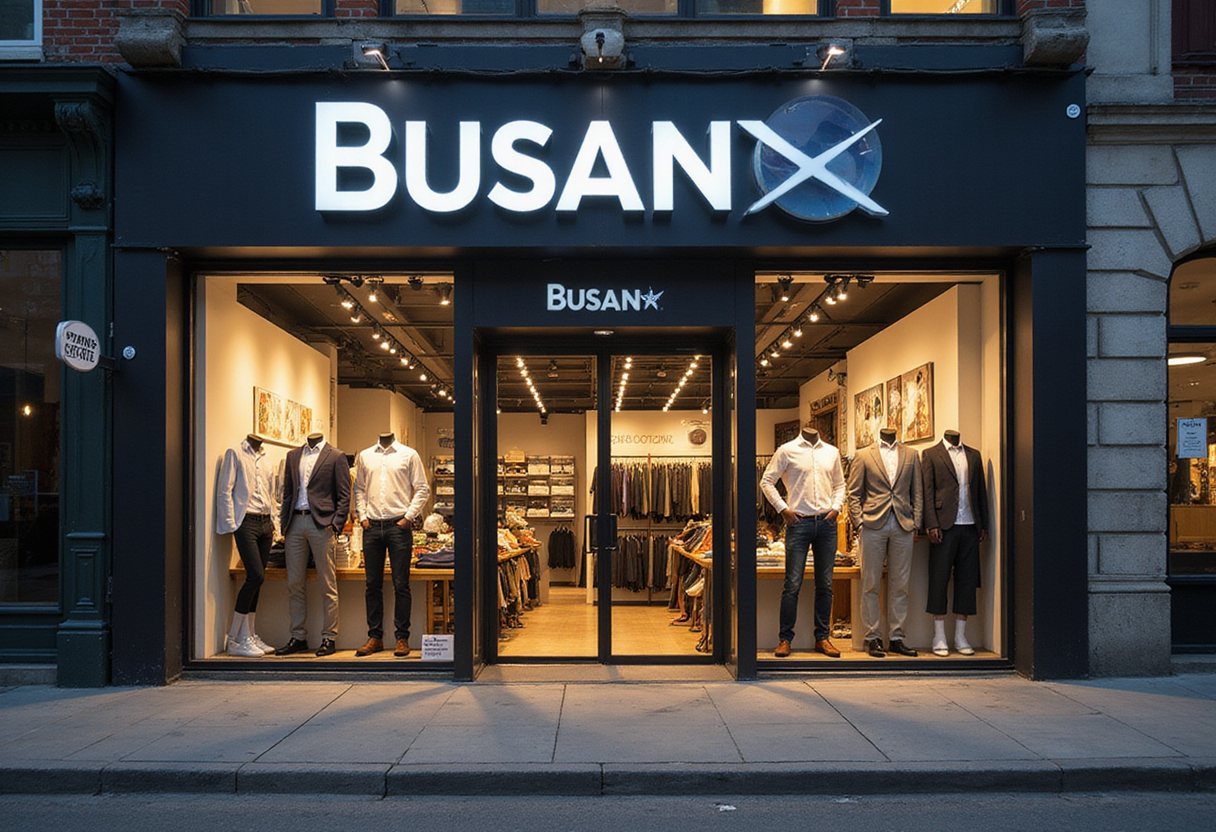
PDS and Busana Apparel have linked up to develop what the two companies describe as the next generation of global apparel manufacturing.
The joint initiative, announced through trade press, stops short of disclosing specific order volumes, factory locations, investment figures, or target timelines tied to the deal.
For sourcing professionals, the announcement raises immediate questions about scale, geographic footprint, and lead-time implications for brands currently placing programmes with either company. The "next-generation" framing typically signals investment in areas such as automation, nearshoring flexibility, or vertical integration, although the public item does not specify which manufacturing upgrades sit inside the scope.
What does the partnership change for brand buyers?
The deal combines PDS, an apparel manufacturing and sourcing platform, with Busana Apparel, a manufacturer with established production scale. A combined platform of this type would, in principle, allow brand buyers to consolidate order placement across multiple sourcing origins under a single vendor relationship — a structure that compresses vendor-management overhead and can shorten product-development cycles if the partners integrate their planning systems.
Sourcing executives tracking the tie-up will want three things from any follow-up disclosure:
- Capacity commitments: total unit volumes the partnership can underwrite, broken down by category.
- Geographic split: which factories in which countries carry the combined capacity, and how that mix shifts freight, duty, and lead-time calculus.
- Capex and certifications: whether the "next-generation" label is backed by new equipment investment, robotics, water and energy efficiency programmes, or social-compliance audits at the upgraded sites.
What is and isn't in the announcement?
The headline names the two counterparties and frames the objective — a manufacturing platform positioned for future demand — but stops short of the operational detail sourcing teams need to redirect volume. No factory list, no order-book reference, no customer commitments, and no timeline for first production appeared in the announcement.
That sequencing — strategic intent first, operational specifics later — is typical for apparel manufacturing, where platform announcements often precede formal letter-of-intent signings with brand customers by several quarters. Brands reviewing upcoming sourcing cycles should not assume availability until contract terms are published.
Separating intent from confirmed business
Industry readers should treat the current item as an intent statement rather than a confirmed commercial outcome. The "build" wording in the headline indicates the partners will construct the platform together rather than rebadge existing capacity under a joint label, which carries different cost implications: greenfield investment typically runs at higher unit cost during ramp-up before reaching mature economics.
Brand buyers evaluating the platform for upcoming placement rounds should request:
- Sample development lead times from the joint operation
- MOQ terms across product categories
- Labour-compliance certifications held at each partner's existing facilities
- Tariff-engineering support if the mix spans multiple origin countries
What comes next for the PDS–Busana Apparel platform?
A clearer picture of the combined operation — including country mix, unit capacity, and first-customer programmes — is likely to emerge once the partners issue a follow-up operational update. Until then, brand sourcing teams should classify this as a watchlist item with potential to reshape capacity availability in the coming sourcing cycle.
via Google News: Apparel manufacturing (Source)
More from Rebecca Stone
Show full bio
Staff writer covering industry trends and analytics at The Fabric Brief.
142 articles
Also on the board
- PDS Limited Links With Busana Apparel to Scale Manufacturing
- US Apparel Sourcing Tilts Toward Fewer, Larger Strategic Vendors
- WeMarket A/S Acquires FashionLab as Fashion Tech Consolidates
- CFDA and SOURCING by Informa Launch Manufacturing Partnership
- Rodinia Generation Raises €4M to Scale Fashion Tech Operations