Swatch card · cut November 20, 2026
Supply Chain & SourcingMill spec card
India Proposes Rs 16,000 Crore National Fibre Scheme
India's Textiles Ministry proposes Rs 16,000 crore ($1.72bn) over five years for a National Fibre Scheme, with subsidies of 25-75% across silk, wool and jute, pending approval.
- Fiber
- Supply Chain & Sourcing
- Count
- 3 min read
- Cut
- Weight
- 599 words
Spec notes
- Proposed outlay: Rs 16,000 crore (US $1.72 billion) over five years, announced in Union Budget FY '27, awaiting approval.
- Financial assistance would range from 25% to 75% of project costs depending on intervention type.
- R&D projects eligible for up to 60% support; small-scale artisan machinery 50%; large-scale machinery 25%.
- Most assistance for farmers, artisans and entrepreneurs proposed at 40-50% of unit cost.
- Scheme covers silk, wool and jute segments and aims to reduce import dependence.
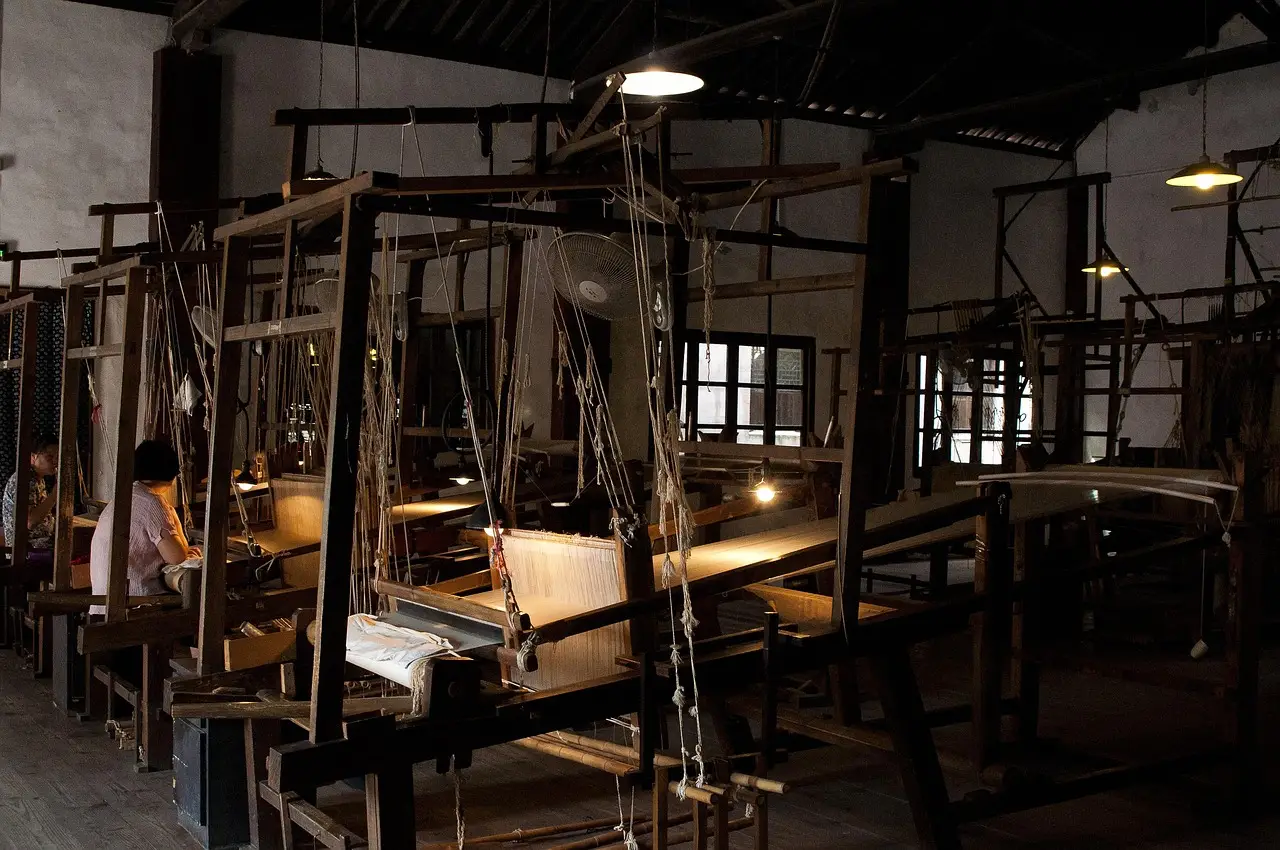
India's Ministry of Textiles has proposed an outlay of roughly Rs 16,000 crore — about US $1.72 billion, or roughly $344 million per year spread across five years — for a National Fibre Scheme (NFS) intended to lift domestic production of natural and new-age fibres. The proposal, announced in the Union Budget for FY '27 as part of an integrated programme for the textile sector, is awaiting approval, according to a government official. That caveat matters. Nothing in the subsidy schedule below is money in anyone's hands yet.
The scheme's stated aims are threefold: reduce import dependence, position India as a global hub for high-quality fibres, and create a more uniform framework for government assistance across fibre segments including silk, wool and jute. At present, assistance across those segments is fragmented; the NFS would consolidate it.
What does the scheme actually pay for?
Financial assistance would range from 25% to 75% of project costs depending on the intervention, a second official said. The indicative rates, subject to final approval, break down as follows:
- Cultivation inputs — seeds, planting material, disinfectants: 40% subsidy
- Farm mechanisation and infrastructure — seeds, plantations, irrigation: 50% support
- Small-scale machinery for artisans and reelers: 50% assistance
- Medium-scale machinery: 30%
- Large-scale machinery: 25%
- Marketing infrastructure and e-commerce initiatives: 40%
- Innovation and R&D projects: up to 60% of project cost
Most assistance for farmers, artisans and entrepreneurs is proposed at 40-50% of unit cost, with the balance contributed by beneficiaries, state governments or institutional credit. In plain terms, a farmer buying inputs would still fund the majority of the project from her own pocket, a bank, or her state government — the scheme is a co-investment vehicle, not a grant.
What does this change for sourcing?
For brands and suppliers buying Indian silk, wool or jute, the relevant question is whether the scheme reaches the farm-to-fibre supply chain it promises to organise. The ministry's stated objectives include increasing fibre production, improving quality standards, modernising primary processing and promoting greater value addition across segments. Those are the levers that would eventually affect price consistency and traceability for export buyers.
The R&D carve-out at up to 60% is the most generous line in the schedule, and it signals where the ministry expects new-age fibre development to happen. Marketing infrastructure and e-commerce at 40% suggests the scheme also wants to shorten the channel between producers and buyers rather than simply subsidise input costs.
Employment goals are attached: officials expect the NFS to generate jobs and strengthen skills, particularly among women and rural youth. No employment projections accompany the proposal, so that objective remains an aspiration rather than a measurable target.
Confirmed versus proposed
It is worth separating the ledger. Confirmed: the scheme's existence and envelope were announced in the Union Budget for FY '27, and officials have detailed the indicative subsidy structure. Not confirmed: the Rs 16,000 crore outlay itself, which awaits approval, and every rate in the schedule, which the government explicitly describes as indicative and subject to final approval.
For mills, reelers and fibre processors weighing capacity investments, the practical reading is this: a subsidy window of 25-60% on machinery, infrastructure and R&D may open in the coming fiscal cycle, but no beneficiary should bank the rates until the cabinet signs off.
If approved as proposed, the NFS would give India's natural fibre segments their first consolidated, five-year funding framework — and give sourcing teams one more reason to watch Indian fibre quality from FY '27 onward.
via Apparel Resources (Source)
More from Tom Whitfield
Show full bio
Market editor covering regulation, policy and their impact on fashion industry as a trade and business at The Fabric Brief.
390 articles
Also on the board
- Gujarat Clears 627 Textile Unit Applications Worth Rs 1,521 Crore in Surat
- Odisha Lands $40 Million Textile Investment
- AEPC Asks Indian Government to Fund 50% of Garment Worker Housing
- India Builds Integrated Tax Framework for Textile Sector Costs
- India Weighs Four-Year Extension of Textiles PLI Scheme with Lower MSME Entry Bars