Swatch card No. SW-9508 · cut October 30, 2026
Trade & TariffsMill spec card
India Builds Integrated Tax Framework for Textile Sector Costs
India's Revenue and Textiles ministries are weighing GST, customs and anti-dumping reforms for the sector, alongside the Rs 40,000-crore expansion scheme.
- Fiber
- Trade & Tariffs
- Count
- 2 min read
- Cut
- Weight
- 485 words
Spec notes
- India is developing an integrated textile tax framework covering GST, customs duties and anti-dumping duties.
- The Rs 40,000-crore Textile Expansion and Employment Scheme was announced in the Union Budget for 2026-27.
- Industry has requested a six-month customs duty waiver on five polyester-chain products including MEG and PTA.
- Temporary duty exemptions on MEG and PTA were withdrawn in July 2025-era policy, prompting the renewed requests.
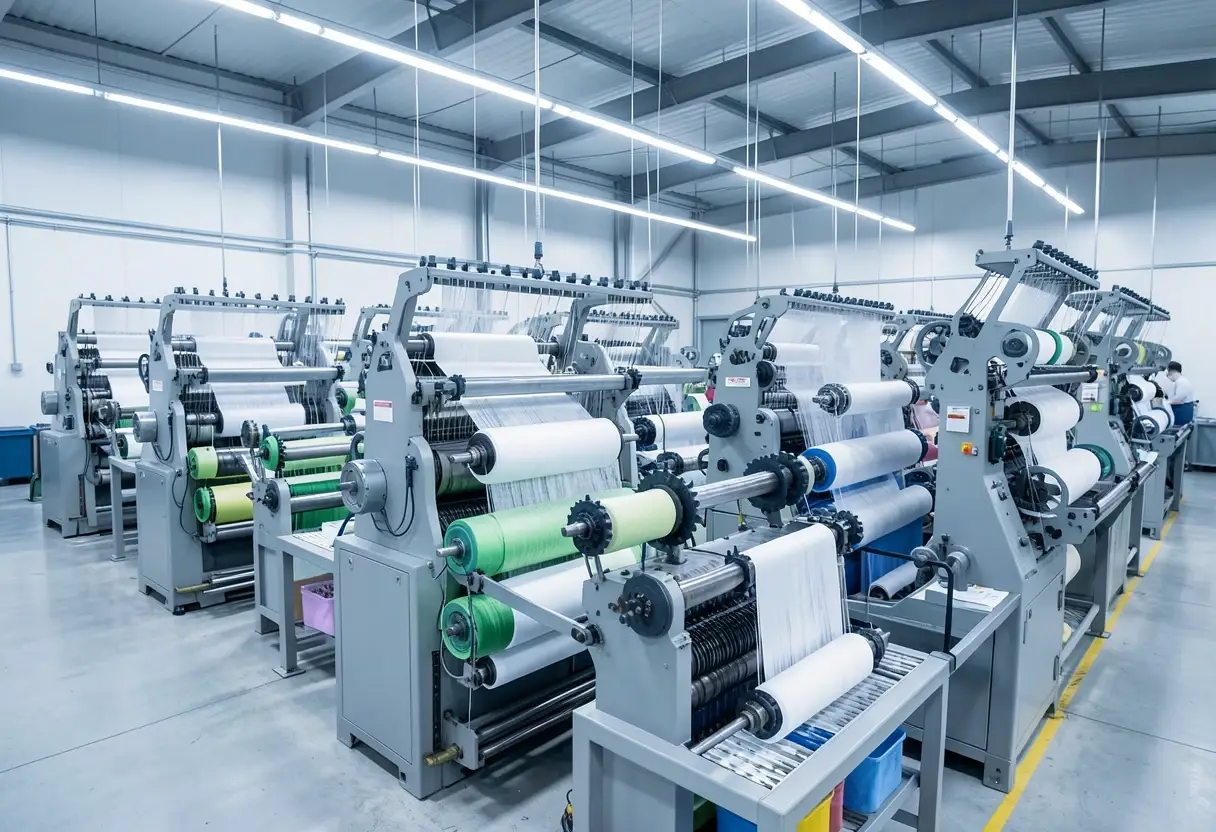
India's government is preparing an integrated tax framework for the textile sector, aiming to cut input costs on raw materials and machinery while giving manufacturers long-delayed tax certainty. The Department of Revenue and the Ministry of Textiles are jointly examining industry proposals covering GST rates, basic customs duties and anti-dumping duties on selected man-made fibre and yarn imports.
The framework would reach across the full value chain: fibre and yarn, fabric, and finished garments. Officials frame it as a competitiveness exercise, not a revenue one. The goal is to improve the position of Indian manufacturers in export markets where duty structure, not labour cost, increasingly decides order placement.
What does this change for sourcing decisions?
For now, nothing is settled. This is a proposal under examination, not a notified policy. What is concrete is the shopping list attached to it, and it is specific:
- Removal of customs duties on caprolactam, nylon chips, rayon-grade wood pulp and cotton.
- Removal or deferral of anti-dumping duties on elastomeric filament yarn and viscose rayon filament yarn.
- A six-month waiver of basic customs duties on five polyester-chain products: monoethylene glycol (MEG), purified terephthalic acid (PTA), partially oriented yarn (POY), fully drawn yarn (FDY) and drawn textured yarn (DTY).
- A Department of Revenue review of duties and costs on imported textile machinery.
The textiles ministry has justified the anti-dumping relief by citing the burden on downstream manufacturers, micro, small and medium enterprises and employment. The argument is straightforward: duties that protect one link of the chain tax every link after it.
The July trigger
The polyester requests are not abstract. In July, the government withdrew temporary duty exemptions on MEG and PTA, and downstream users responded with renewed calls for support. Industry representatives have also argued that investment incentives alone cannot compensate for uneven duties on raw materials, intermediates and machinery. A subsidy on one line item, in other words, does not offset a tariff on another.
The money behind the framework
The tax work runs parallel to the Rs 40,000-crore Textile Expansion and Employment Scheme, announced in the Union Budget for 2026-27. That scheme funds machinery upgrades, technology adoption and common testing facilities in traditional textile clusters. Together, the two measures pair capital support with input-cost relief — the combination Indian producers have long said they need to compete with Bangladesh and Vietnam on order books.
The government is also pushing technical textiles, cluster upgrading and a larger share of global textile trade, though these remain stated objectives rather than measured outcomes.
The open question is timing. No date has been set for the framework's completion, and duty changes require Revenue Department sign-off, which is rarely quick. Until notified rates change, buyers and suppliers should treat this as direction, not policy. A formal announcement, when it comes, will reshape landed costs across the synthetic chain first.
via Apparel Resources (Source)
More from Tom Whitfield
Show full bio
Market editor covering regulation, policy and their impact on fashion industry as a trade and business at The Fabric Brief.
278 articles
Also on the board
- Indian Exporters Flag US Tariff Threat to Textile Input Sourcing
- Indian Apparel Industry Lobbies for Cotton Import Duty Removal
- UK-India CETA 12-Point Tariff Cut Forces Apparel Sourcing Reset
- India Raises Anti-Dumping Duties on Jute Goods from Bangladesh, Nepal
- India–UK Trade Pact Enters Force, Trimming Tariffs and Widening Services