Swatch card · cut November 22, 2026
Supply Chain & SourcingMill spec card
14 Charged in $22M Freight Train Theft Ring Targeting Nike Cargo
Fourteen defendants face up to life in prison over a $22M scheme that hit three dozen trains carrying Nike sneakers, with $1.1M laundered through an LA resale store.
- Fiber
- Supply Chain & Sourcing
- Count
- 3 min read
- Cut
- Weight
- 603 words
Spec notes
- 14 defendants arrested in LA on a 17-count indictment covering Feb 2024–Aug 2026
- More than $22 million in cargo stolen from as many as three dozen freight trains
- Ring allegedly sold thousands of Nike sneakers to an LA resale store for ~$1.1M from May–Oct 2025
- Sentences could reach life in prison for violence against railroad cars counts
- Separate July indictment charged 12 people in a $2M theft at Nike's Memphis hub
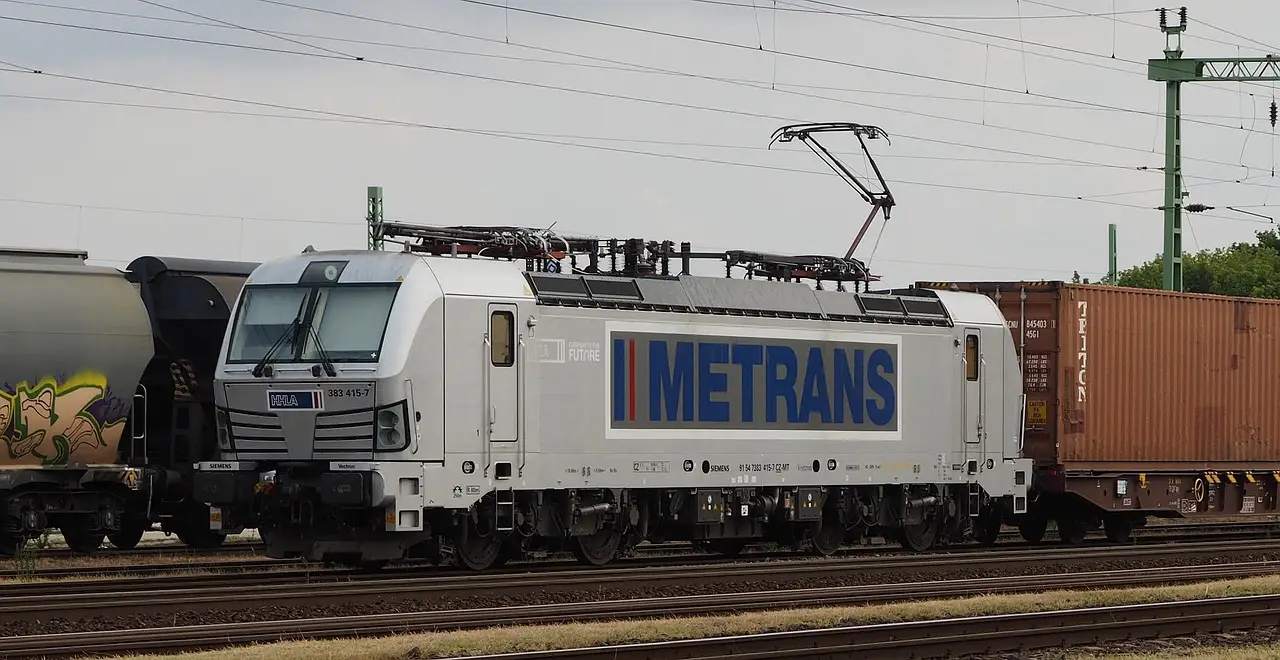
Fourteen defendants face federal charges in Los Angeles for stealing more than $22 million in cargo — much of it Nike sneakers — from as many as three dozen freight trains in Southern California.
The 17-count indictment, unsealed Thursday, covers burglaries from February 2024 to August 2026. Prosecutors say the ring coordinated through Instagram and sold the stolen goods on the black market.
Who is accused, and how did the scheme work?
Federal agents identify Nathan Angel, 21, as the group's leader. Angel allegedly targeted high-value trains carrying Nike footwear in Southern California. He directed codefendants to rent trucks and vans, drive them onto railroad tracks, and board the trains, according to the indictment.
A video allegedly recorded by the defendants shows one burglary in progress. In it, a person cuts into a shipping container and displays the Nike product inside.
For rail shippers and cargo insurers, the mechanics matter. The thefts targeted intermodal containers (the standardized boxes moved between ship, rail and truck) at a point of maximum vulnerability: stationary or slow-moving trains in urban corridors.
What does the resale channel reveal?
The indictment alleges that from May to October 2025, ring members sold thousands of Nike sneakers to an unnamed Los Angeles-based resale store. Those transactions generated approximately $1.1 million from stolen footwear alone.
That figure implies a functioning laundering pipeline, not opportunistic looting. Prosecutors are treating the resale side as part of the conspiracy.
"We will prosecute the people who raid these trains and those who knowingly turn stolen cargo into cash," Bill Essayli, First Assistant United States Attorney, said in a press release.
The resale store is not named in the charges. Whether the retailer knew the goods were stolen is a question the prosecution will have to answer — the indictment language does not settle it.
What penalties do the defendants face?
The exposure is severe:
- Up to 10 years in federal prison for each count of theft
- Up to 5 years for conspiracy
- A maximum sentence of life in prison for each count of violence against railroad cars
Los Angeles County District Attorney Nathan J. Hochman framed the case as an enterprise-level takedown. "This historic indictment, following a 14-month investigation assisted by our Bureau of Investigation, demonstrates the importance of dismantling entire criminal enterprises — from those stealing the cargo to those profiting from its resale," Hochman said. "We are determined to protect this vital supply chain and ensure that goods reach their intended destinations, not the black market."
Is this an isolated case?
No. In July, a separate federal indictment charged 12 people in a cargo theft conspiracy targeting Nike's Memphis distribution hub. That scheme allegedly netted $2 million in stolen product.
Two major theft cases against Nike logistics infrastructure in a single year point to a pattern: attackers are selecting Nike cargo deliberately, at both rail lines and distribution centers. The Southern California case dwarfs the Memphis one in scale — $22 million versus $2 million.
What should supply-chain teams take from it?
The confirmed facts are the indictment, the arrests and the dollar figures. The allegations remain unproven until trial. But the case documentation offers hard data on loss exposure: one crew, one region, $22 million in cargo over roughly two years.
For brands shipping high-value footwear by rail through Southern California, the case is a concrete argument for container sealing audits, in-transit monitoring and stricter vendor-of-record checks in the resale channel. Prosecutors have signaled more enforcement, not less; expect continued scrutiny of resale outlets that move large volumes of branded footwear without documented provenance.
via WWD (Source)
More from Priya Raman
Show full bio
Correspondent covering people, launches and day-to-day practice in fashion industry as a trade and business at The Fabric Brief.
363 articles
Also on the board
- Fashion Tech Executive Arrested Over Alleged $300M Fraud
- Fashion Tech CEO Pleads Guilty in $300M Investor Fraud Case
- Three Analyst Upgrades in a Week Put VF Corp Back on Buy Lists
- Levi Strauss Breach Reframes Cybersecurity as a Sourcing Decision
- 25 States Target Trump Tariffs in $7.2 Billion Apparel Trade Dispute