Swatch card · cut November 19, 2026
Apparel ManufacturingMill spec card
India Plans First Integrated Textile Census Across 15 Segments
India has begun work on its first Integrated Textile Census, spanning 15 segments from handloom to technical textiles, with FY26 as the reference year and GPS mapping built into the field plan.
- Fiber
- Apparel Manufacturing
- Count
- 3 min read
- Cut
- Weight
- 584 words
Spec notes
- The census will cover 15 textile segments, versus the handloom-only 2019-20 census.
- FY '26 is the reference period for production, sales, expenditure and employment data.
- Employment data will break down owners, unpaid family workers, formal and informal staff, with gender-wise figures and monthly pay.
- A dedicated module will survey technical textiles categories including agrotech, meditech and geotech.
- The census will map units by GPS and assess awareness of PLI, PM MITRA, SAMARTH and other schemes.
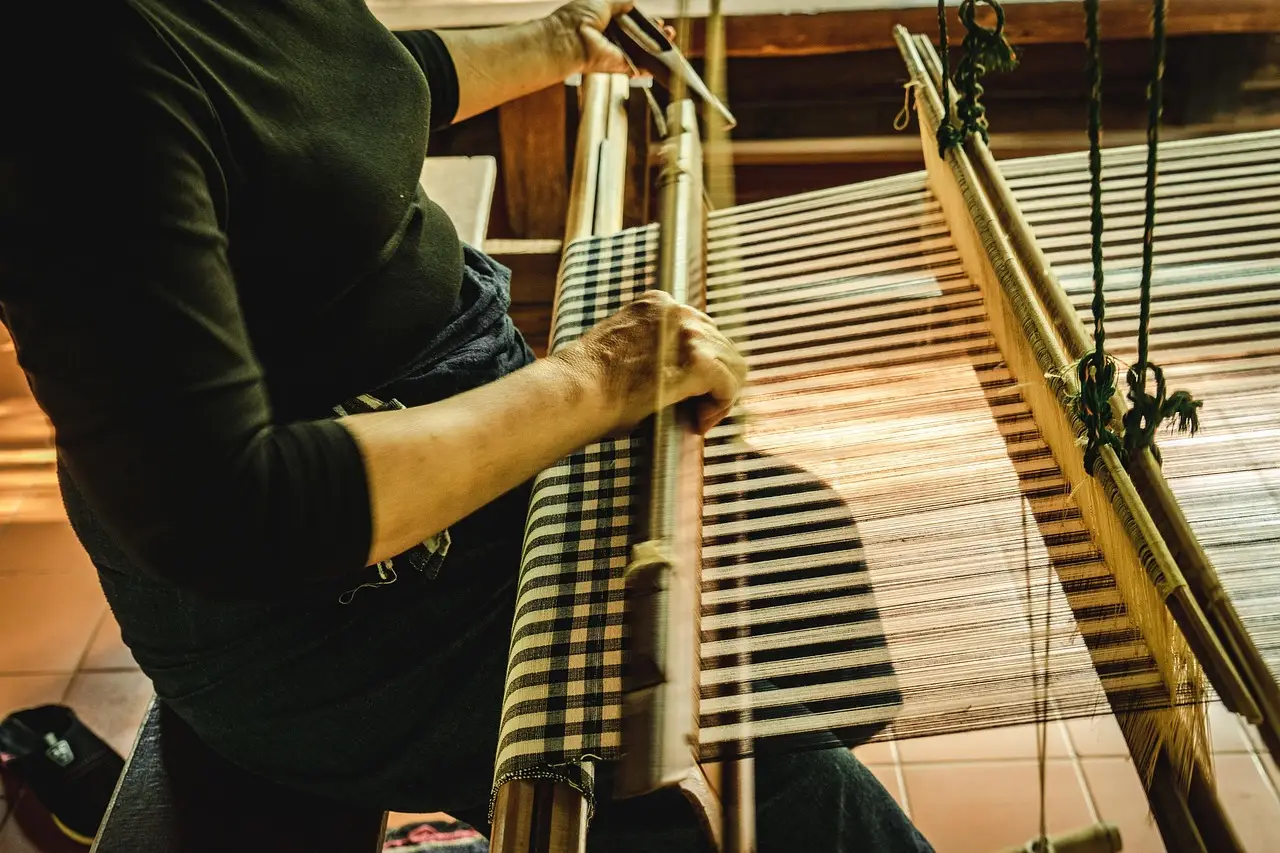
India has started work on its first Integrated Textile Census, a single survey covering 15 segments of the textile value chain, from handloom and powerloom to technical textiles, officials said. The move ends a fragmented data regime in which most segments relied on estimates rather than measured surveys.
The last comparable exercise by the Ministry of Textiles, the Fourth All-India Handloom Census (2019-20), covered only the handloom sector. The proposed census expands the frame to powerloom, handloom, handicrafts, cotton ginning and pressing, spinning, processing, knitting, garmenting, made-ups, man-made fibres, synthetic filament yarn, technical textiles, silk, jute and wool.
What changes for the data baseline?
Officials said the exercise will bring household-based and establishment-based production units under a common statistical framework. That framework rests on three pillars: harmonised concepts, a unified digital platform and a single field operation. Until now, no large-scale survey has spanned the entire value chain.
For sourcing managers and capacity planners, the shift matters. Several segments have previously depended on estimates rather than survey data, meaning official figures for capacity, employment and output carried wide error bars. A census-grade count gives vendors, lenders and policymakers a harder base for decisions.
Stakeholder consultations are underway, with industry representatives providing inputs to develop the census framework. Officials did not disclose a completion date or a budget for the field operation. That omission is worth noting. A 15-segment census with GPS mapping implies significant cost and staffing, and neither has been quantified publicly.
What will the census measure?
The reference period for production, sales, expenditure and employment data will be FY '26. Stocks of machinery, looms and tools will be recorded as on the date of the survey.
The data collection scope covers:
- Production capacity and raw material consumption
- Machinery and investment
- Workforce and turnover
- Market linkages
Employment data will be broken down by category: owners, unpaid family members, formal and informal workers, and other personnel including helpers, apprentices and interns. The framework will also capture gender-wise employment figures and monthly remuneration, a level of granularity absent from previous handloom-only counts.
The census will also ask about machinery that sat idle during the reference period, along with the reasons for non-utilisation. Officials expect this to yield the first cross-segment picture of capacity utilisation (the share of installed machinery actually in use) across the industry.
How does it tie to policy schemes?
The exercise will incorporate GPS-based location mapping and assess awareness of central and state support schemes. These include the Production Linked Incentive (PLI) Scheme, PM MITRA (Mega Integrated Textile Region and Apparel parks), the National Technical Textiles Mission, SAMARTH and state-level textile incentives.
Measuring scheme awareness inside the census itself is a check on delivery, not just spending. If awareness proves low in specific segments or regions, that finding could redirect outreach budgets before the next incentive cycle.
A dedicated technical textiles module will cover categories such as agrotech, meditech, geotech, buildtech, mobiltech and protective textiles. The module reflects the government's push into high-value segments under the National Technical Textiles Mission, and it will provide the first structured baseline for that segment's dispersed production base.
For now, the census remains a proposal in the consultation stage, not a completed survey. Officials have set the FY '26 reference year but have not published a field schedule, and the eventual quality of the data will depend on execution across millions of household units and registered establishments alike.
via Apparel Resources (Source)
More from Priya Raman
Show full bio
Correspondent covering people, launches and day-to-day practice in fashion industry as a trade and business at The Fabric Brief.
363 articles
Also on the board
- India's Textile Edge Now Hinges on Capacity, Not Tariffs: Fibre2Fashion
- Fibre2Fashion Maps India Apparel's Cost and Capacity Crossroads
- India's IIP Data Flags Widening Textiles-Apparel Output Gap
- India's Textile Exports Climb 19.87% to $1,946.93 Million in September
- Odisha Lands $40 Million Textile Investment