Swatch card No. SW-9336 · cut November 19, 2026
Apparel ManufacturingMill spec card
CPD Proposes Tk18,578–Tk24,204 RMG Wage Floor in Bangladesh
CPD proposes Tk18,578–Tk24,204 RMG minimum wage, 48.6%–93.6% above the current Tk12,500 floor, as inflation erodes 2023 purchasing power by Tk3,851 a month.
- Fiber
- Apparel Manufacturing
- Count
- 2 min read
- Cut
- Weight
- 462 words
Spec notes
- CPD proposed RMG minimum wage range of Tk18,578–Tk24,204 on 18 November in Dhaka.
- Current Tk12,500 minimum set in 2023; Tk16,351 now needed for equivalent purchasing power.
- Workers' representatives proposed Tk32,000 to the Wage Board on 9 November.
- Employers' counterproposal expected at the 23 November board meeting.
- Wage Board formed 1 November after protests and factory closures in Ashulia, Savar, Gazipur and Mirpur.
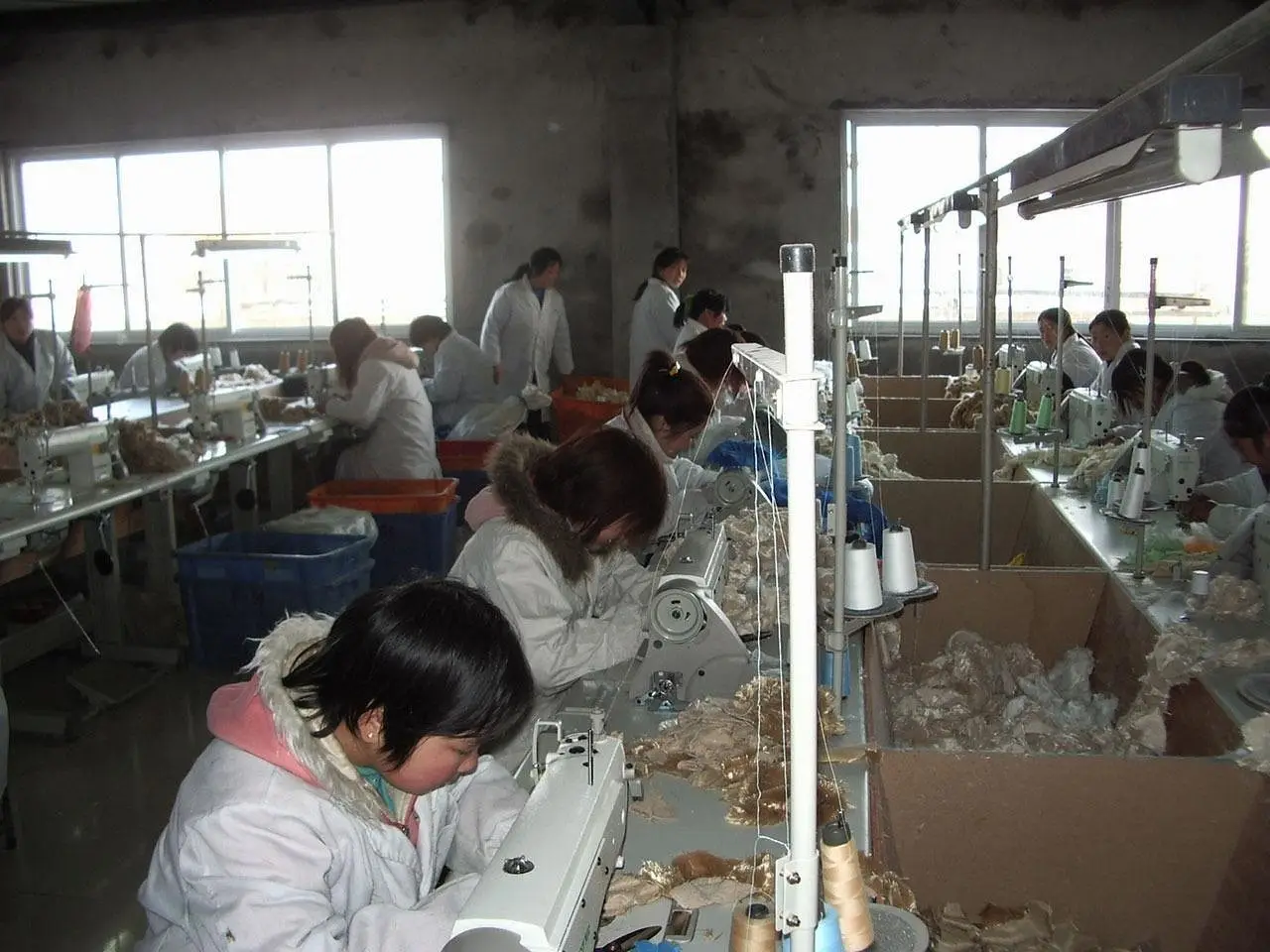
Bangladesh's Centre for Policy Dialogue (CPD) has proposed a monthly minimum wage of Tk18,578 to Tk24,204 for readymade garment (RMG) workers, a range 48.6% to 93.6% above the current floor of Tk12,500 set in 2023. The think-tank presented the figures at a press conference in Dhaka on 18 November, drawing on a study titled Determining the Minimum Wage in the RMG Sector.
CPD Executive Director Nazneen Ahmed said workers need Tk18,578 per month to stay above the poverty line, while Tk24,204 is required to maintain a basic but decent standard of living. Both estimates assume a four-member family with 1.58 earning members.
What has inflation done to the 2023 wage?
The study's central finding is that the Tk12,500 minimum wage, set in 2023, has already lost substantial value. Workers now need Tk16,351 to buy the same basket of goods and services that Tk12,500 purchased two years ago — an additional Tk3,851 per month purely to restore 2023 purchasing power, with no real gain in living standards.
CPD recommended that wage negotiations take place within its proposed range and called for a gradual movement towards a living wage over time. The range, however, sits well below the demands coming from the labour side: garment workers have pressed for Tk30,000, and workers' representatives formally proposed Tk32,000 to the Minimum Wage Board.
Where does the wage board stand?
The government formed a six-member Minimum Wage Board on 1 November, following protests and factory closures in major industrial areas including Ashulia, Savar, Gazipur and Mirpur.
At the board's second meeting on 9 November, workers' representatives tabled a Tk32,000 minimum monthly wage proposal. The employers' representative did not submit a counterproposal and requested four working days to prepare one.
The third meeting, originally set for 16 November, was postponed after the workers' representative fell ill. It is now scheduled for 23 November, when employers are expected to table their proposal.
What is at stake for sourcing buyers?
For brands and sourcing executives, the outcome will directly affect factory cost structures in Bangladesh, the world's second-largest apparel export base, at a moment when labour unrest has already forced production stoppages in key clusters. CPD framed the decision as consequential for both sides: workers need wages that reflect current living costs, while manufacturers need a structure that accounts for production costs and business conditions.
The think-tank argued that a data-based agreement would reduce labour unrest and support stability across the RMG sector. The 23 November meeting will offer the first indication of where employers intend to anchor their position relative to CPD's Tk18,578–Tk24,204 range and labour's Tk32,000 opening demand.
via textiletoday.com.bd (Source)
More from Elena Vasquez
Show full bio
News editor covering money, funding and market shifts around fashion industry as a trade and business at The Fabric Brief.
340 articles
Also on the board
- Bangladesh Wage Board Commits to Garment Pay Rise by January
- Bangladesh RMG Board Proposes Tk 32,000 Monthly Minimum Wage
- Bangladesh Garment Makers Urge Fair Pricing, Not Charity, From Global Buyers
- Bangladesh Wage Protests Idle 600 Factories, Cost $68M in Shipments
- Hundreds of Bangladesh Garment Factories Shut as Wage Protests Enter Fourth Day