Swatch card · cut November 19, 2026
Textile InnovationMill spec card
Dr. Vinayak Ogale Named Mission Director of India's NTTM
Dr. Vinayak Ogale, a former 3M India and Saint-Gobain executive, takes India's National Technical Textiles Mission, which has approved 168 research projects and 24 startups.
- Fiber
- Textile Innovation
- Count
- 3 min read
- Cut
- Weight
- 512 words
Spec notes
- Dr. Vinayak Ogale appointed Mission Director of the National Technical Textiles Mission by the Ministry of Textiles, Government of India.
- NTTM launched in 2020 with an outlay of Rs. 1,480 crore (US $158 million).
- February 2026 ministry update: 168 research projects, 24 startups and 45 educational institutions approved for technical textiles courses.
- 24 skilling courses facilitated, through which more than 1,000 people received training.
- Ogale spent approximately a decade at Saint-Gobain's Innovation Hub after earlier roles in product development at 3M India.
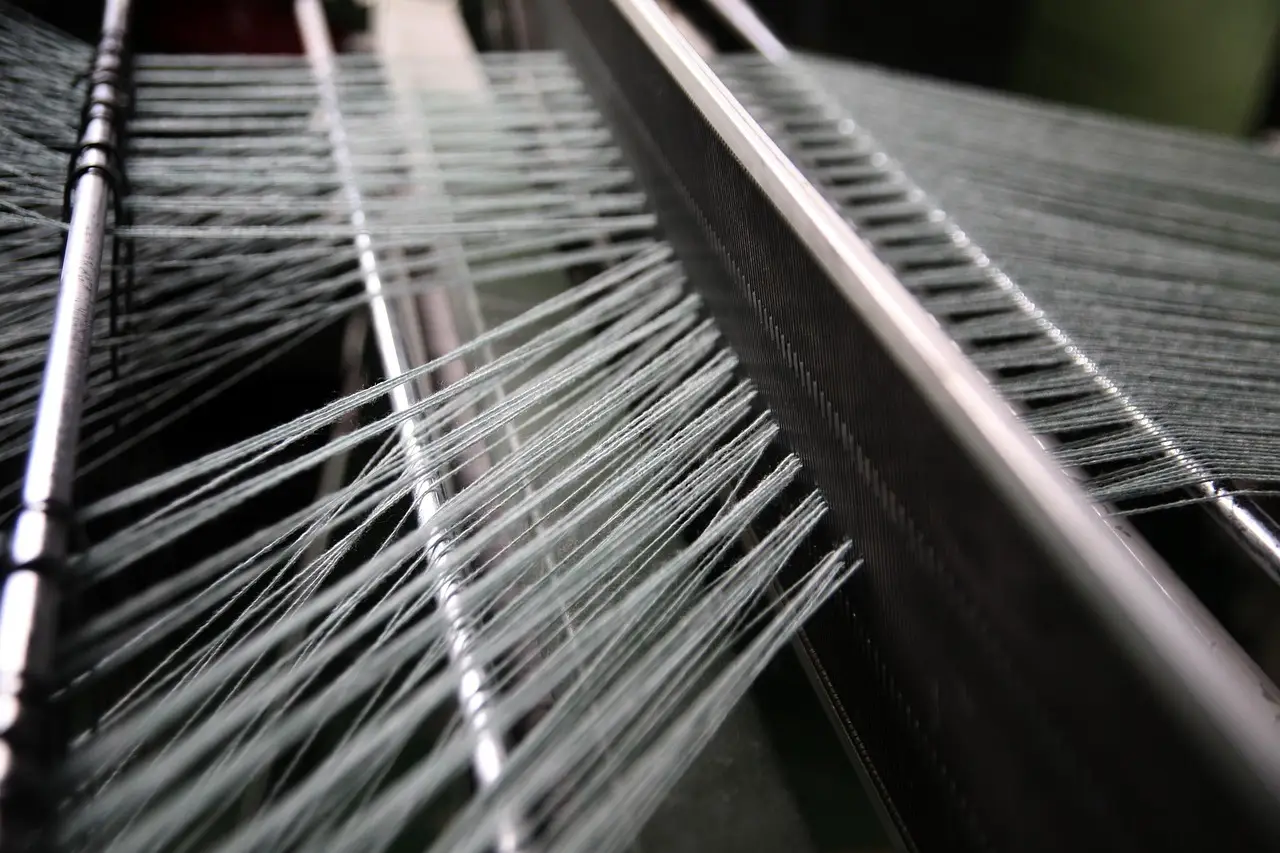
Dr. Vinayak Ogale takes charge of India's National Technical Textiles Mission, a programme with 168 research projects, 24 startups and 45 educational institutions approved. The Ministry of Textiles, Government of India, appointed Ogale Mission Director.
The appointment carries no start date, no revised allocation and no factory, capacity or certification data. For brands and sourcing teams, it changes a name rather than a supply contract.
Who is Dr. Vinayak Ogale?
Ogale has held several positions across multinational companies, including 3M India and Saint-Gobain. At 3M India, he worked on product development and technology-led innovation.
At Saint-Gobain, he spent approximately a decade at the company's Innovation Hub, on sustainable construction materials and advanced habitat solutions. He has also been associated with entrepreneurial ventures in India's domestic healthcare segment.
The Ministry says his experience in advanced materials, product development and commercial innovation should strengthen links between research institutions, manufacturers, startups and end-user industries. That is the stated remit.
What did Ogale say?
In a LinkedIn post announcing his appointment, Ogale highlighted the need to integrate design, science and economics to strengthen India's technical textiles industry.
He emphasised "greater investment in research and development, testing and validation infrastructure", alongside stronger industry-academia collaboration.
He also called for "a supportive policy environment" so Indian producers can compete globally, and he named testing and validation capacity as a requirement. No allocation splits the money.
What has the mission funded?
The National Technical Textiles Mission launched in 2020 with an outlay of Rs. 1,480 crore, or US $158 million. Its aims cover research and development in specialty fibres and technical textiles, indigenous manufacturing and investment, skilled manpower, and India's place in the global value chain.
According to the Ministry of Textiles' February 2026 update, the mission had approved 168 research projects, 24 startups and 45 educational institutions for technical textiles courses.
It had also facilitated 24 skilling courses, through which more than 1,000 people had received training. Those are approval and training counts, not output data.
The update does not report disbursement against the Rs. 1,480 crore or convert funded projects into metres, tonnes or units of supply.
Who pays, and what changes for buyers?
One appointment is the only confirmed fact. Everything else is stated intent, and the distinction matters when a mission director inherits 168 approved projects without a published schedule for converting any of them into qualified capacity.
The ministry frames the case this way: Ogale's industry experience should accelerate the commercialisation of indigenous technologies. No supplier names, lead times, price points or certification milestones appear in the announcement.
For a buyer, the practical test is narrow. Does the mission produce qualified suppliers at a price the market accepts, and on a timeline a sourcing calendar can hold?
The next milestone worth watching is funded work reaching commercial production, with disclosed timelines, capacity and certification, and a clear split between public money and industry capital. Until then, India has changed the person at the desk, not the terms on any purchase order.
via Apparel Resources (Source)
More from Rebecca Stone
Show full bio
Staff writer covering people, launches and day-to-day practice in fashion industry as a trade and business at The Fabric Brief.
334 articles
Also on the board
- UMPESL and DANITECH Announce Strategic Alliance for Indian Textile Innovation
- CMAI and GATS to Launch Eco-Stitch Hub at Bharat Tex 2026
- LifeLabs Appoints Director of Textile Innovation and Sustainability
- Textile Innovation Institute Relocates to Bedford, Targets Medtech
- TANATEX, Textile Innovation Exchange Link Up on Bangladesh Innovation Push