Swatch card No. SW-2111 · cut November 12, 2026
Sustainability & ComplianceMill spec card
Fashion's Purchasing Power Helped Protect 85% of Great Bear Rainforest
Legal protection for the 6.4-million-hectare Great Bear Rainforest rose to 85% after brands including H&M, Zara and Stella McCartney pressured stalled land-use talks.
- Fiber
- Sustainability & Compliance
- Count
- 3 min read
- Cut
- Weight
- 629 words
Spec notes
- 85% of the Great Bear Rainforest is now legally protected, up from 10% before 2016.
- Canopy's Next Gen Warp Speed asks brands to shift 5% of MMCF volume to next-gen fibers by 2028.
- 70 brands joined a 2016 roundtable that preceded the draft land-use agreement by 24 hours.
- A $120 million fund supports First Nations' transition to conservation-based economies.
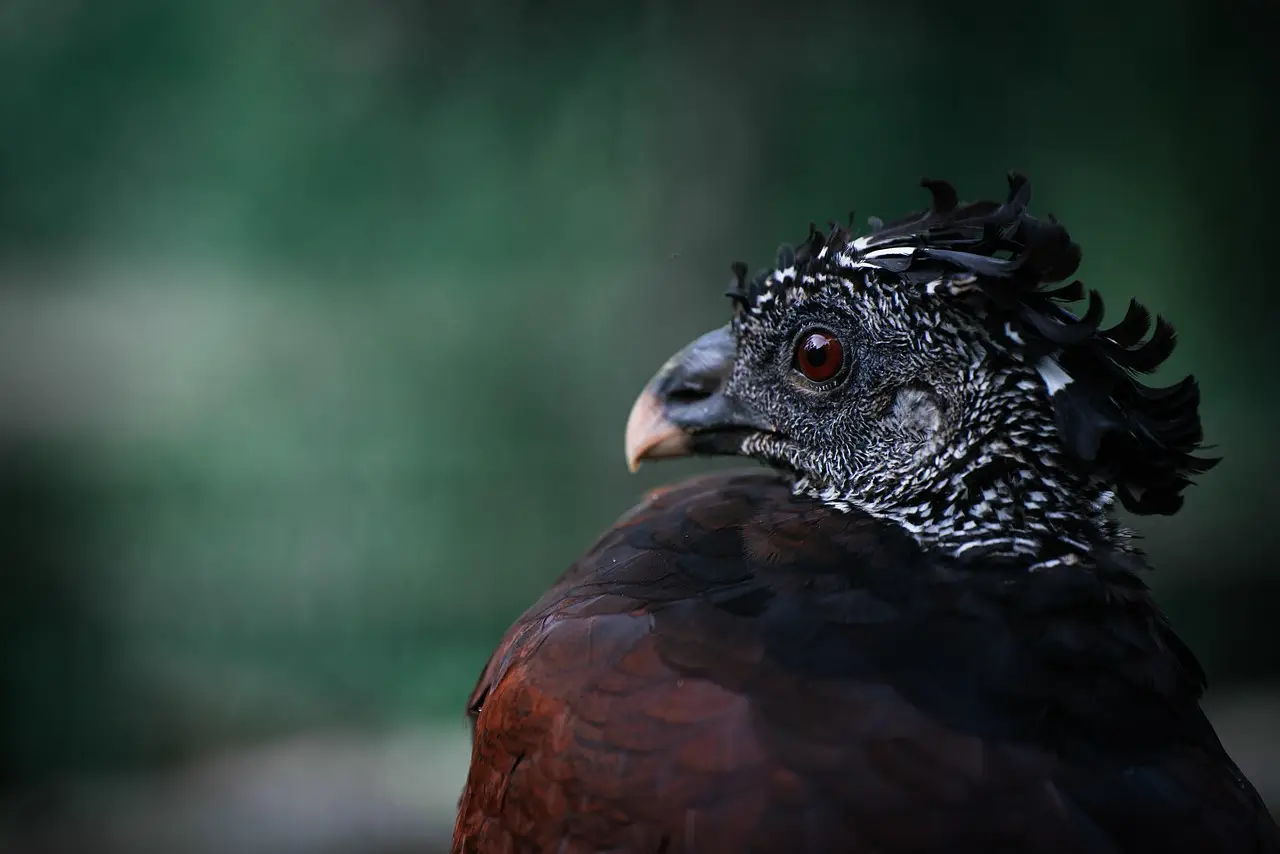
Eighty-five percent of the Great Bear Rainforest is now legally protected from logging, up from just 10% protection before 2016 — a shift driven partly by fashion brands flexing purchasing power at critical negotiating moments.
The 6.4-million-hectare forest, which stretches from the Alaskan border to just above Vancouver Island, is the world's largest coastal temperate rainforest and a major carbon sink. Until 2016, 90% of it was open for logging, and fashion was among the industries profiting through man-made cellulosic fibers (MMCF) — viscose, modal and lyocell — which typically derive from wood pulp. The industry also links to deforestation through wood-based packaging, plus indirectly via leather and cotton grown on cleared land.
A $120 million fund now helps the 26 local First Nations, who hold co-decision-making roles in conservation, transition to conservation-based economies.
How did fashion move the needle?
Nicole Rycroft, founder and executive director of the non-profit Canopy, calls the win "seismic" and says it took decades. Canopy entered the campaign when momentum was slowing, leveraging fashion partners including H&M and Zara. "We don't want to be sourcing from clear cuts of massive, ecologically critical, temperate rainforests, and we don't want to be sourcing from spirit bear habitat," she said of the signal sent to forest-product suppliers.
In 2013, Canopy launched Canopy Style, an initiative where brands commit to end sourcing from ancient and endangered forests. Stella McCartney signed early. Within months, Canopy discovered one of her dissolving pulp suppliers on Vancouver Island sourced directly from the Great Bear Rainforest; McCartney canceled the contract. "It sent a very clear signal that fashion is a force to be reckoned with," said Rycroft.
The decisive moment came around 2016. The land use agreement was 18 months overdue. Canopy and Canadian newspaper The Globe and Mail organized a customer-investor roundtable one month out, inviting politicians, forestry companies, First Nations leaders and 70 people representing 70 international brands, including Stella McCartney, Eileen Fisher, H&M and Zara.
"Within days of issuing the invitation, the spirit and intent at the negotiating table changed," said Rycroft. Twenty-four hours before the roundtable, the British Columbia government announced the draft agreement.
Why does traceability matter for supply chains?
Logging sits at Tier 4 of the supply chain — several steps upstream of where most brand traceability programs stop. Most brands have visibility only to Tier 1 (garment manufacturing) or Tier 2 (fabric production). Meaningful deforestation action therefore starts with mapping fiber origins, according to Rycroft.
Direct sourcing links are not a prerequisite for influence. "Even if it's not a direct or immediate sourcing link, the adjacency is really relevant," said Rycroft. "Brands are still seen as important even if they're not existing customers, because there is the potential for them to be future customers."
What comes next for MMCF sourcing?
Canopy Style signatories — alongside members of its packaging initiative Pack4Good — commit to stop sourcing from ancient and endangered forests. Rycroft argues that baseline must now extend to scaling next-gen and circular alternatives. "Brands will not be able to eliminate — or even substantially mitigate — their risk of sourcing from high-carbon, high-biodiversity forests unless we have scaled alternatives," she said.
At last month's Textile Exchange conference, Canopy presented Next Gen Warp Speed, an initiative asking brands to convert 5% of their MMCF basket to next-gen alternatives by 2028. The 5% threshold is designed to tip the balance without placing a substantial funding burden on brands.
Canopy is now applying the Great Bear playbook to the Amazon rainforest and Indonesia's Leuser Ecosystem, with brand buy-in already secured from Eileen Fisher and Stella McCartney, and Rycroft expects fashion can replicate the British Columbia outcome in those landscapes.
via vogue.com (Source)
More from Marcus Bennett
Show full bio
Senior reporter covering money, funding and market shifts around fashion industry as a trade and business at The Fabric Brief.
279 articles
Also on the board
- Canopy cuts Hot Button MMCF categories from seven to five for 2027
- Bezos Earth Fund Channels $34 Million to Sustainable Fashion Tech
- Fashion Scope 3 Emissions Rose 7.5% in a Year, EY-H&M Paper Argues
- TNC Launches Apparel Alliance to Tackle Microfibre Pollution
- Levi Strauss and M&S Launch Supplier Renewable Energy Program