Swatch card No. SW-3045 · cut November 12, 2026
Sustainability & ComplianceMill spec card
Bangladesh textile expo maps sourcing pressure from ESPR
Bangladesh's November 12 Textile Innovation Expo seminar paired renewable energy, chemical safety, water efficiency and traceability with ESPR and Digital Product Passport pressures.
- Fiber
- Sustainability & Compliance
- Count
- 3 min read
- Cut
- Weight
- 655 words
Spec notes
- Textile Innovation Expo 2026 held its seminar on November 12 at Hall 8, Expo Village, International Convention City Bashundhara, Dhaka.
- Bangladesh recorded $39.34 billion in merchandise export revenue and more than 290 LEED-certified green factories.
- Speakers cited fashion's nearly 8% share of global greenhouse-gas emissions and 20% of global wastewater.
- Seven technical areas covered renewable energy, green chemistry, chemical safety, traceability, water efficiency, waste management and recycled materials.
- The seminar disclosed no order value, factory commitment, compliance deadline or implementation budget.
By Marcus Bennett
Bangladesh recorded $39.34 billion in merchandise export revenue and has more than 290 LEED-certified green factories, the two national figures used to frame a November 12, 2026 textile sourcing agenda.
The day-one Textile Innovation Expo 2026 staged “Advancing Innovation & Sustainability Management” in Hall 8 at Expo Village, International Convention City Bashundhara, Dhaka. It brought industry professionals, sustainability experts, academics and technology specialists into one technical forum. No order value, production volume, factory commitment or implementation budget appeared in the announcements.
What did the seminar establish?
ABM Faqrul Alam, Sustainability Lead at Urmi Group, and S M Rayhan Hossain, Country Manager – Bangladesh at ZDHC Foundation, delivered the keynote presentations. The program linked cleaner production with management systems, supply-chain evidence and evolving international requirements.
Md. Abdul Muhit, Manager, Sustainability at Amin & Jahan Corporation Ltd., moderated the panel. Its membership covered manufacturing, research, chemical controls and supply-chain technology.
- Dr. Ummul Khair Fatema, Professor and Head of the Department of Environmental Science and Engineering, Bangladesh University of Textiles (BUTEX).
- Mashook Mujib Chowdhury, Senior Manager, Sustainability, DBL Group.
- Mohammed Al Tauhidul Islam, Additional General Manager, Sustainability, Envoy Textiles Limited.
- Mehedi Hasan Rubel, Country Relationship Manager, Bluesign Technologies AG.
Which production risks drew attention?
Speakers cited two industry-level measures: fashion generates nearly 8% of global greenhouse-gas emissions and accounts for 20% of global wastewater. Those figures establish the scale of the stated problem, not a Bangladesh mill baseline. The seminar disclosed no site-level emissions, water-consumption or chemical-use data against which buyers could compare suppliers.
Chemical safety centered on safer alternatives, responsible chemical management and improved monitoring of chemical use in textile processing. For sourcing teams, those controls can affect chemical purchasing, documentation and audit readiness. The panel announced no new ZDHC requirement, certification target or supplier charge.
Water efficiency carried similar operational weight because wet processing consumes substantial water. Speakers proposed water reuse, optimized processing and stronger wastewater treatment. They set no recovery percentage, freshwater-reduction target, treatment specification or capital-expenditure timetable.
What does ESPR change for sourcing?
Traceability linked those operational issues to buyer data requirements. The European Union’s Ecodesign for Sustainable Products Regulation and Digital Product Passport rules increase expectations for material transparency, product-level data and traceability across supply chains. This makes environmental claims harder to support with factory-level evidence alone.
The agenda also covered waste segregation, recycling and recycled materials as routes toward circular textile production. Those measures can change sourcing specifications and verification work, but the seminar named no recycled-content threshold, take-back program or certification. ESPR and DPP received attention; no compliance timetable followed.
Does green infrastructure translate into factory action?
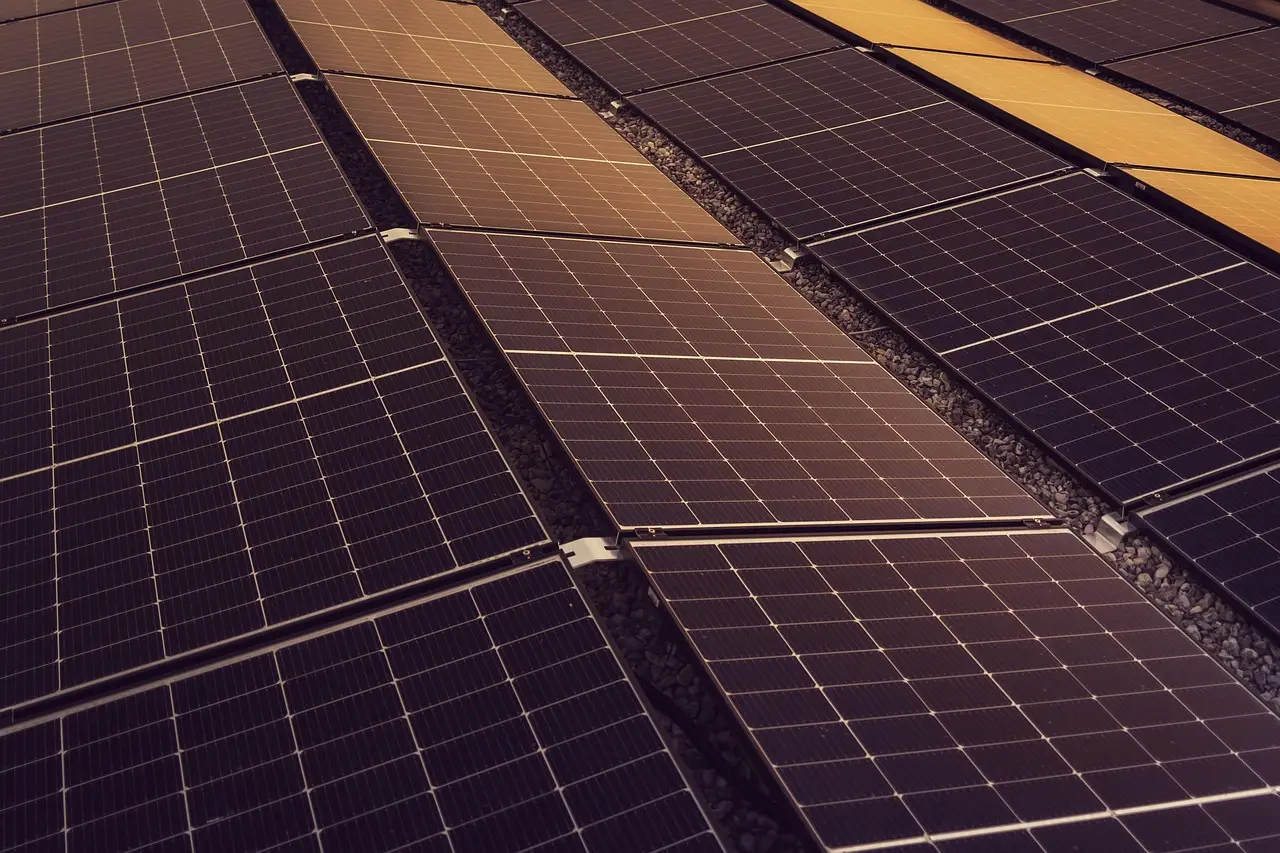
Renewable energy formed the infrastructure strand. Speakers presented solar power and other clean-energy options as ways for factories to reduce conventional-energy dependence, improve efficiency and manage industrial emissions. No named brand, mill or vendor announced a power purchase, installation or generation target.
Bangladesh’s $39.34 billion merchandise export base and 290-plus LEED-certified factories provide scale for that agenda. They do not establish savings, output capacity or compliance performance at any one supplier. The event therefore set an issue map rather than a measurable sourcing program.
What should brands and suppliers watch next?
After the panel, Engr. Ehsanul Karim Kaiser, Chairman of Textile Innovation Exchange (TIE), presented mementos to the speakers. The closing gesture recognized participation, not a commercial agreement. No confirmed order, licensing deal, margin change, price adjustment or supplier award emerged from the seminar.
For brands, the immediate decision is whether to request comparable energy, chemical, water and product-level data from mills. For suppliers, the near-term issue is the cost and lead time of converting those requests into operating controls and auditable product records.
The next proof point should be named factory action, disclosed timelines and measured results against buyer requirements, rather than another broad statement of sustainability intent.
via textiletoday.com.bd (Source)
More from Marcus Bennett
Show full bio
Senior reporter covering money, funding and market shifts around fashion industry as a trade and business at The Fabric Brief.
279 articles
Also on the board
- Textile Innovation Expo 2026 to spotlight Bangladesh's value shift
- Dhaka expo shortlists 18 of 60 research pitches for Bangladesh textile push
- Textile Innovation Award 2026 Opens Entries for Industry Testing
- Dhaka Textile Innovation Expo 2026 Draws 100 Brands and 5,000 Visitors
- Pacific Global Associates to Exhibit at TIE–ITET Expo