Swatch card No. SW-7377 · cut November 13, 2026
Sustainability & ComplianceMill spec card
Inditex Commits $50 Million to IFC Fund for Supplier Decarbonisation
Zara parent Inditex has pledged US $50 million to an IFC-managed fund targeting US $400 million to finance suppliers' energy efficiency and emissions cuts.
- Fiber
- Sustainability & Compliance
- Count
- 3 min read
- Cut
- Weight
- 504 words
Spec notes
- Inditex committed US $50 million to an IFC-established fund for supplier green financing.
- IFC plans to raise US $400 million in total through the initiative.
- The UN estimates textiles account for up to 8% of global greenhouse gas emissions.
- India supplies roughly 5-7% of Inditex's global volume; suppliers include Shahi Exports, Gokaldas Exports and Texport Syndicate.
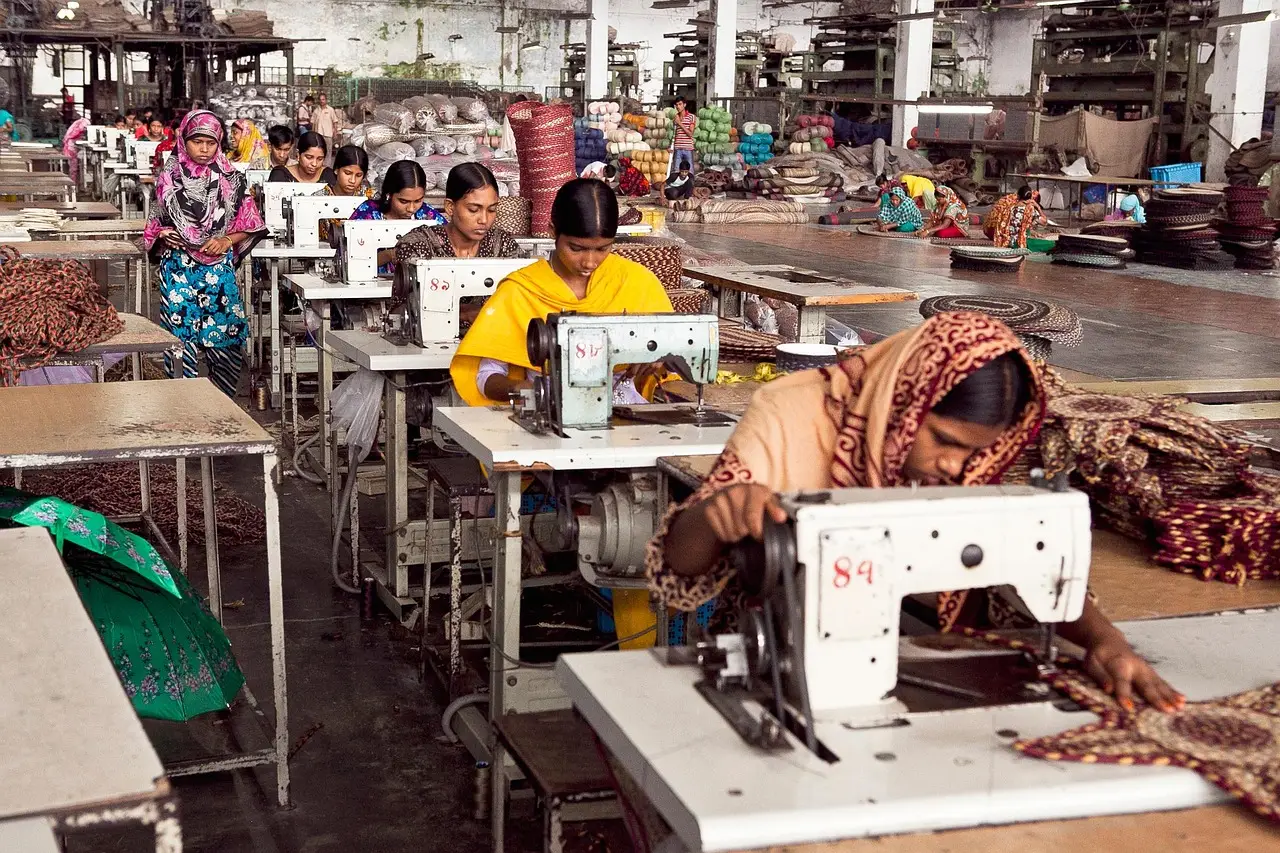
Inditex SA, the Spanish parent of Zara, has committed US $50 million to a fund established by the International Finance Corporation to finance its suppliers' shift to low-carbon production. The IFC, the World Bank's private-sector arm, plans to raise US $400 million in total through the initiative, according to the announcement.
The money will provide low-cost financing to suppliers that invest in energy-efficient machinery and renewable energy. The public-private partnership targets small businesses in particular, aiming to help them transition to net-zero business models.
What does the commitment cover?
Inditex CEO Oscar Garcia Maceiras described the initiative as the first of its kind. He said emissions are linked to processes across the fashion industry's entire supply chain, highlighting the need to address environmental impact beyond retail operations. His framing matters for sourcing teams: the money is aimed at tier-two and beyond, at mills and factories rather than at stores or logistics.
The scale of the problem is measurable. United Nations estimates put the textile industry's share of global greenhouse gas emissions at up to 8 percent. That figure, cited alongside the fund's launch, frames decarbonisation as a supply-chain compliance issue rather than a marketing exercise.
Many textile suppliers operate in developing countries that face acute exposure to climate-related extreme weather events. Limited access to finance remains a structural barrier for these businesses as they seek to invest in cleaner technologies and adapt their operations. The fund's design responds directly to that gap: it converts a sustainability mandate into working capital for equipment upgrades.
Who pays, and who benefits?
The structure separates confirmed money from stated ambition. Inditex's US $50 million is a firm commitment. The US $400 million target is an intention, dependent on IFC raising the balance from other partners. Sourcing executives will note that the mechanism addresses cost directly, since low-cost financing reduces the capital burden on factories that brands increasingly pressure on emissions data and renewable energy use.
India illustrates the supplier base at stake. The country accounts for roughly 5 to 7 percent of Inditex's global supply volume, and Shahi Exports Pvt Ltd., Gokaldas Exports Ltd. and Texport Syndicate number among its suppliers. Factories of this profile — large, export-oriented, energy-intensive — are the natural first applicants for efficiency financing of this kind.
For vendors, the fund shifts part of the decarbonisation bill away from their own balance sheets. For Inditex, it secures supplier capacity against both climate disruption and tightening emissions regulation in European markets. The initiative links two pressures that sourcing teams now treat as one: lead-time risk from climate-exposed production hubs, and compliance risk from carbon disclosure rules.
IFC has not disclosed a timeline for reaching the US $400 million target or the interest terms suppliers will pay. Those details will determine whether the fund functions as genuine concessionary finance or as conventional lending rebranded. Suppliers and competing retailers alike will watch the first disbursements for the answer.
via Apparel Resources (Source)
More from Rebecca Stone
Show full bio
Staff writer covering people, launches and day-to-day practice in fashion industry as a trade and business at The Fabric Brief.
285 articles
Also on the board
- Inditex Puts $50m Into $400m Supplier Decarbonisation Fund
- Experts Map the Business Case for Decarbonisation Investment
- EY Trains Focus on Finance Gap in Fashion Supply Chain Decarbonization
- Fashion Scope 3 Emissions Rose 7.5% in a Year, EY-H&M Paper Argues
- Apparel Sector Falling Short on Decarbonization Pace, Report Finds