Swatch card No. SW-9274 · cut October 10, 2026
Sustainability & ComplianceMill spec card
TNC Launches Apparel Alliance to Tackle Microfibre Pollution
The Nature Conservancy has launched an apparel industry alliance targeting microfibre pollution, with implications for material specs and supplier requirements.
- Fiber
- Sustainability & Compliance
- Count
- 2 min read
- Cut
- Weight
- 370 words
Spec notes
- The Nature Conservancy (TNC) has launched an apparel industry alliance to curb microfibre pollution.
- The announcement was carried by Yahoo Finance.
- Membership roster, reduction targets and timelines have not yet been detailed in the available material.
- The initiative targets synthetic fibre shedding across production, washing and wear.
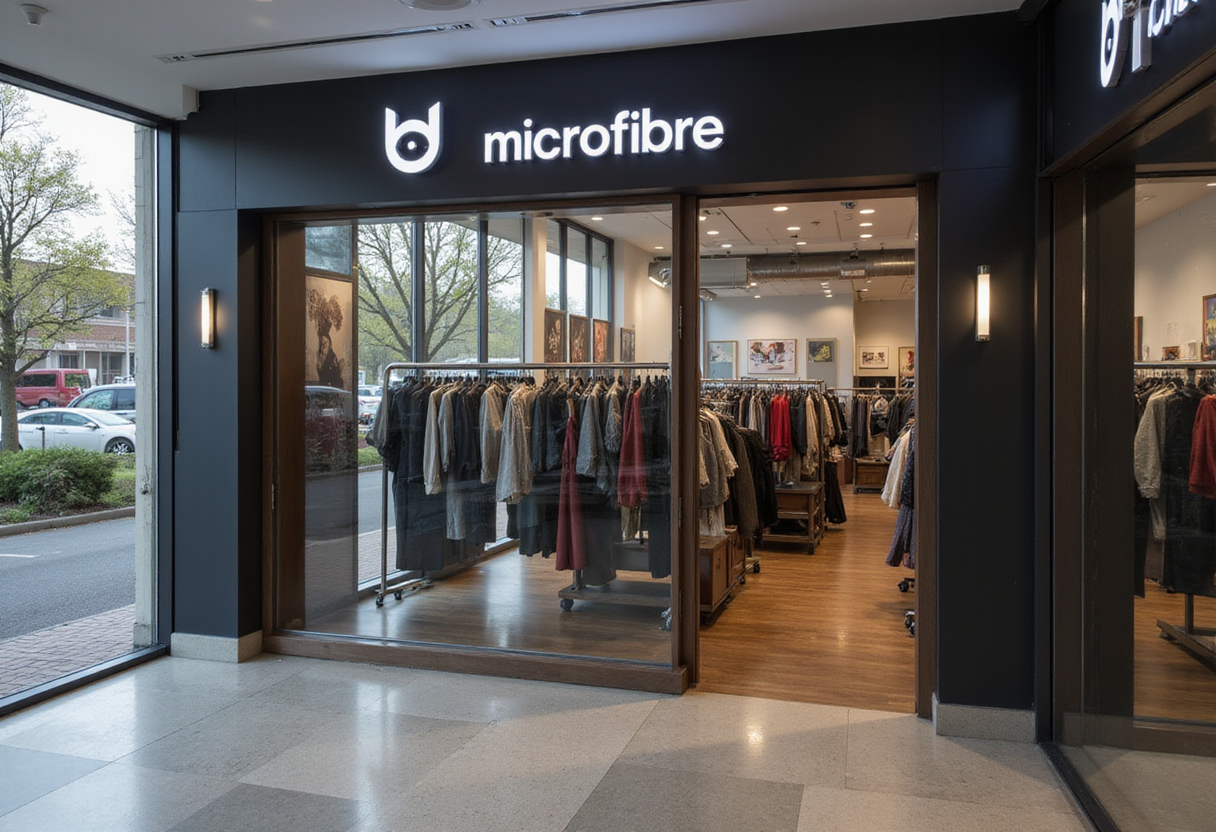
The Nature Conservancy (TNC) has launched an industry alliance aimed at curbing microfibre pollution from apparel, according to an announcement carried by Yahoo Finance. The initiative targets one of the sector's most persistent compliance and product-integrity challenges: synthetic fibre shedding across the garment lifecycle.
For sourcing and supply-chain teams, the move signals that microfibre mitigation is shifting from voluntary sustainability positioning toward a coordinated, sector-wide workstream — with potential implications for material specifications, testing protocols and vendor requirements further down the line.
Why does microfibre pollution matter to sourcing teams?
Microfibres — shed predominantly by synthetic textiles such as polyester and nylon during production, washing and wear — have become a focal point for regulators and environmental groups. Apparel brands face growing pressure to quantify and reduce fibre loss, which touches decisions across the value chain:
- Fibre and yarn selection at the design stage
- Fabric construction and finishing methods
- Laundering protocols and consumer-care labelling
- Wastewater handling at mills and garment-wash facilities
An alliance led by a major conservation organisation suggests the emphasis will fall on measurable reduction rather than marketing claims — a distinction sourcing executives will need to track as commitments convert into supplier requirements.
What do we know — and not know — so far?
The announcement confirms the formation of the alliance and its stated purpose of reducing microfibre pollution. TNC has not yet detailed the full membership roster, specific reduction targets, funding commitments or timelines in the material available.
That gap matters for buyers and vendors. Whether the initiative produces shared test methods, material benchmarks or factory-level reporting obligations will determine whether it changes purchase orders or remains an advocacy platform.
What should supply-chain professionals watch next?
Key questions for brands and suppliers tracking the initiative:
- Which brands, mills and retailers join as founding members
- Whether the alliance adopts standardised microfibre shedding measurement methods
- Any published targets with dates attached
- How commitments cascade into supplier codes of conduct or audit criteria
The road ahead
The alliance's practical impact will depend on whether TNC and its industry partners translate broad pollution concerns into verifiable, factory-level practices with clear timelines — and on which brands move first to embed those requirements in their sourcing decisions.
via Google News: Apparel & garment industry (Source)
More from Elena Vasquez
Also on the board
- Nike, Patagonia, Lululemon Join New Alliance on Microfibre Pollution
- Nike, Patagonia and Lululemon Join Nature Conservancy Microfiber Alliance
- Apparel Sector Falling Short on Decarbonization Pace, Report Finds
- Climate Performance Moves From Cost Item to Competitive Edge in Apparel
- H&M and EY Press CFOs to Bankroll Fashion Supply Chain Decarbonisation