Swatch card No. SW-2518 · cut October 10, 2026
Supply Chain & SourcingMill spec card
Levi Strauss Breach Reframes Cybersecurity as a Sourcing Decision
Levi Strauss's reported cybersecurity breach is prompting apparel sourcing teams to treat vendor portal hygiene, compliance attestation and API access as gate criteria on par with price and lead time.
- Fiber
- Supply Chain & Sourcing
- Count
- 3 min read
- Cut
- Weight
- 638 words
Spec notes
- Levi Strauss & Co. disclosed a cybersecurity breach reported by WWD under the headline 'Levi's Cybersecurity Breach Puts Apparel Industry Risks in Focus'.
- The source report does not specify the breach vector, customer-impact scope or financial exposure.
- Apparel ranks among the most-targeted consumer categories due to seasonal transaction spikes, guest-checkout volume and fragmented IT estates.
- Threat actors typically enter via vendor email, marketing automation or production-tracking software rather than POS systems.
- Compliance and security controls are now positioned alongside price, lead time and capacity as sourcing gate criteria.
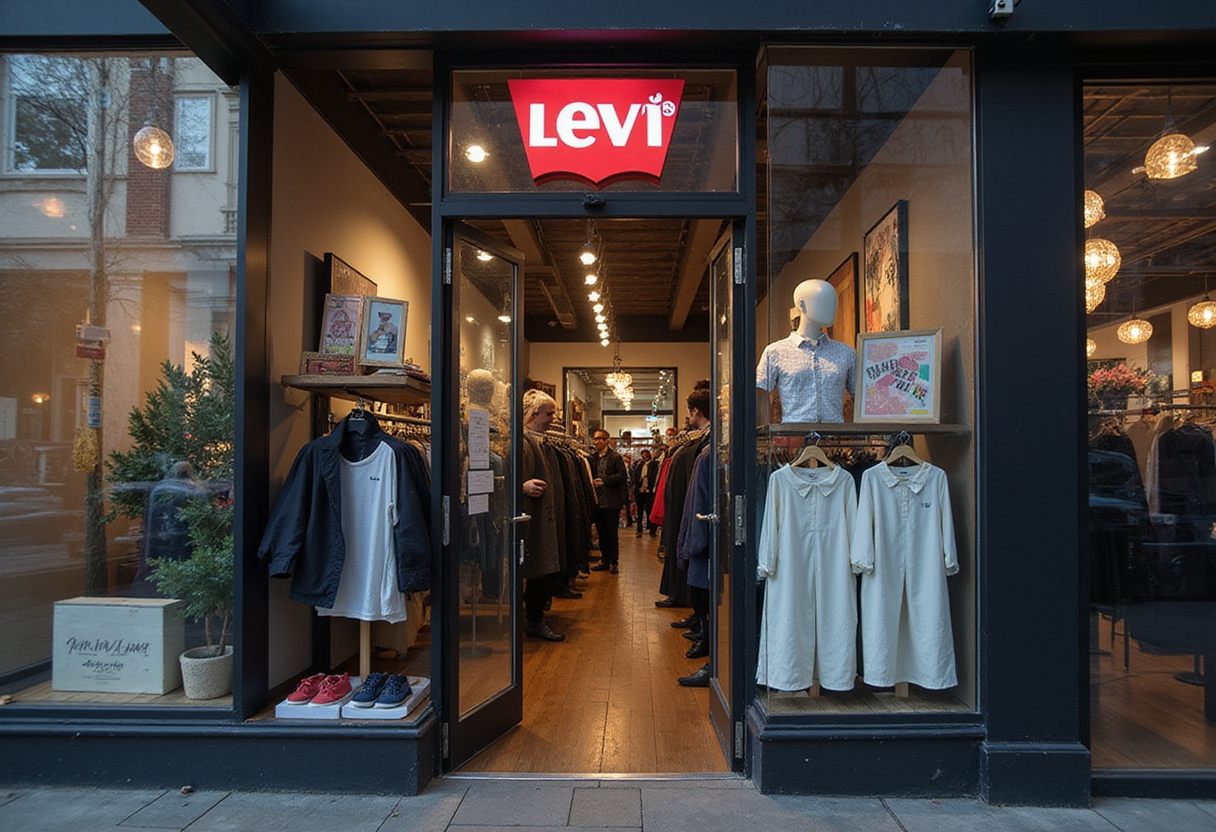
Levi Strauss & Co. has disclosed a cybersecurity breach that WWD flagged under the headline Levi's Cybersecurity Breach Puts Apparel Industry Risks in Focus, refocusing trade attention on data-handling exposure across retailer-vendor networks rather than within corporate IT alone.
The incident lands as consumer apparel operators face a documented acceleration in credential-stuffing attempts, third-party ransomware and supply-chain phishing. Retailers in this category sit on the largest troves of personally identifiable information of any discretionary vertical — loyalty IDs, payment tokens, returns data and order histories — and most connect that data to factories, mills, freight forwarders and software vendors through shared cloud infrastructure.
Why does a retailer breach reach the factory floor?
For sourcing and supply-chain executives, the Levi Strauss disclosure repositions cybersecurity as a procurement and vendor-qualification problem. Brands are now likely to re-screen suppliers with API access to ordering, inventory or shipment-tracking systems. Master purchase agreements that once centered on delivery dates, MOQs and quality AQLs are gaining clauses on breach-notification windows, indemnification scope and third-party audit rights.
Apparel ranks among the most-targeted consumer categories because of seasonal transaction spikes, heavy guest-checkout volumes and a comparatively fragmented IT estate built through acquisitions and platform integrations over the past decade. Standard PCI-DSS scope rarely covers the full chain of vendors handling ancillary order, loyalty and shipping data.
Where does the apparel supply chain stay exposed?
Threat actors more often enter through business email, marketing-automation platforms or production-tracking software than through core point-of-sale stacks. A single compromised vendor credential can cascade into retailer transaction data, factory order schedules and shipping manifests, exposing brand margins, OTIF performance and pricing leverage.
Risk and compliance teams should expect vendor due-diligence questionnaires to lengthen. Brand buyers will likely demand from suppliers:
- Fresh SOC 2 or ISO 27001 attestations reviewed each renewal cycle
- Mandatory multi-factor authentication on any production or brand-portal access
- Segregated handling of customer PII versus operational manufacturing data
- Documented incident-response runbooks tested at least once a year
- Cyber-insurance limits proportionate to the data exposure of the engagement
What does this change for sourcing managers?
The Levi Strauss case will likely accelerate a shift already underway: compliance officers are taking seats at sourcing committee meetings. A factory's price-per-garment, lead time and capacity profile no longer gates the contract if its security posture cannot be evidenced to a brand's enterprise-risk team.
Expect purchase orders and vendor onboarding forms to acquire security addenda. Expect factories running white-label ecommerce, software vendors hosting EDI or PLM platforms, and 3PLs with API-level visibility into brand inventory to field more rigorous pre-qualification. Expect retailers to push indemnification language shifting breach liability to the vendor whose failure opened the door, a clause that has historically been a non-starter in apparel negotiations.
What should apparel teams do this quarter?
Buyers and vendor managers should treat the breach as a procurement trigger. Practical near-term steps include:
- Reconfirming which suppliers hold persistent API access to brand systems and revoking any inactive credentials
- Reviewing incident-response playbooks for retail-customer notification timing
- Aligning vendor contract notice windows with state-level and EU GDPR clocks
- Pulling the latest SOC reports for tier-one EDI and logistics partners
- Mapping cyber-insurance retentions against plausible breach costs in dollars, not percentages
What's the forward read?
Until Levi Strauss and its response team disclose the breach vector, customer-impact scope and financial exposure, trade partners will calibrate their own threat models to the WWD-reported episode. The case functions less as a one-off alarm than as a procurement-gate reset — security controls now rank alongside price, lead time and capacity as deciding criteria in apparel sourcing decisions heading into the spring 2025 buy.
via Google News: Apparel & garment industry (Source)
More from Marcus Bennett
Show full bio
Senior reporter covering business strategy at The Fabric Brief.
162 articles
Also on the board
- Asos Shares Slide 11% as Snowflake Hack Threat Reaches Shopper Phones
- Fashion Tech Executive Arrested Over Alleged $300M Fraud
- Levi Strauss, M&S Launch Supply-Chain Renewable Energy Program
- Fashion Tech Founder Jailed Five Years Over $300m Investor Fraud
- M&S Restructures Fashion Supply Chain to Drive Online Growth