Swatch card No. SW-2173 · cut November 16, 2026
Textile InnovationMill spec card
Unspun to Install Two OneWeave 3D Weaving Machines at Arvind by December 2026
Unspun will install two OneWeave 3D weaving machines at Arvind's Ahmedabad plant by December 2026, with an outlined expansion of 30-plus machines across India and North America through 2028.
- Fiber
- Textile Innovation
- Count
- 2 min read
- Cut
- Weight
- 497 words
Spec notes
- Two OneWeave machines to be installed at Arvind's Ahmedabad facility, operations beginning by December 2026.
- Phased plan outlines more than 30 additional machines across India and North America between 2027 and 2028.
- Brands will contract production directly with Arvind; Unspun provides machines, software, training and support.
- EU rules effective July 2026 prohibit large companies from destroying unsold clothing, accessories and footwear.
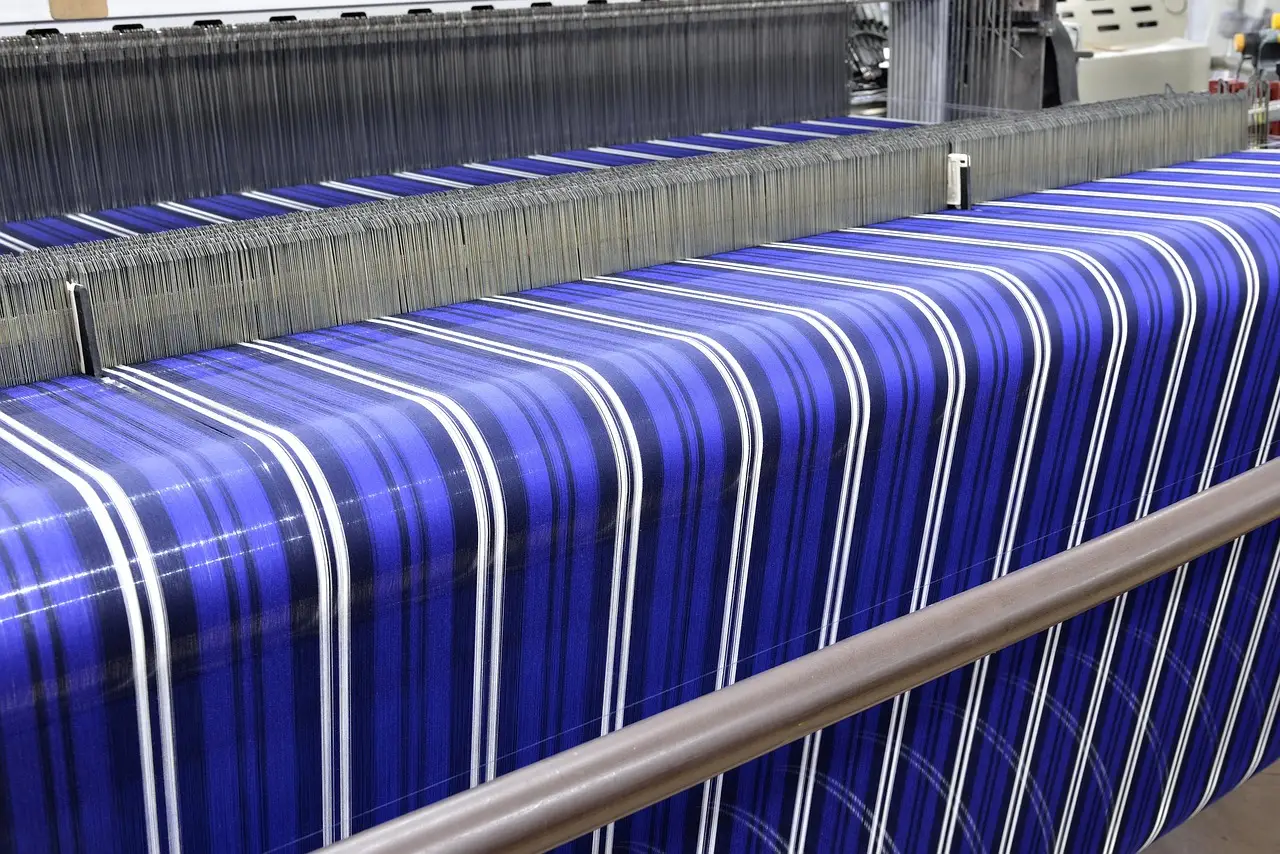
US textile technology company Unspun will install two OneWeave 3D weaving machines at Arvind's facility in Ahmedabad, India, with production scheduled to start by December 2026. The agreement moves Unspun's yarn-to-garment technology out of the microfactory and into industrial-scale apparel manufacturing.
The deal is the first confirmed deployment. A phased expansion plan, still an outline rather than a signed commitment, could add more than 30 further machines across India and North America between 2027 and 2028.
What does the technology replace?
Unspun's system converts yarn directly into finished garment components, bypassing the conventional cut-and-sew process. For sourcing teams, that removes fabric cutting stages, cuts material waste, and shortens the loop between order and delivery. Unspun positions the technology as demand-led manufacturing: brands produce closer to actual market demand instead of committing to forecasts and bulk orders.
The commercial structure is straightforward. Unspun supplies machine installation, commissioning, software, training, and ongoing technical support. Arvind runs production. Brands wanting the capacity contract directly with Arvind, not with the technology provider — a model that makes Arvind the single accountable vendor for lead time and quality.
What do the executives claim?
Arne Arens, board chair of Unspun, said the partnership would scale the technology globally and bring production closer to major markets in the US and Europe. He said the system could let brands respond to demand in weeks instead of months, reduce waste, and lower markdown exposure. That last figure matters: markdown risk, not labor cost, is the financial argument for near-demand production.
Karan Ojha, CEO of Arvind's Wovens Business and Center of Excellence, said the technology could reduce manufacturing complexity, improve material utilization, and enable faster replenishment for global apparel brands.
Both statements are executive claims, not measured results. No throughput figures, unit economics, or garment categories were disclosed, and no pilot brands were named. Sourcing teams will want capacity per machine, achievable price points, and defect rates before treating this as an alternative to existing Arvind wovens capacity.
Why the timing suits the compliance calendar
The partnership lands as regulation tightens on overproduction. European Union rules that took effect in July 2026 prohibit large companies from destroying unsold clothing, accessories, and footwear. Any production system that reduces overproduction and textile waste now carries a compliance dimension, not only a cost one.
For brands selling into the EU, 3D weaving's demand-led model offers a structural answer to unsold-inventory rules rather than a downstream disposal fix.
What to watch
The Ahmedabad start-up in December 2026 is the test. If the two machines hit industrial throughput and material-utilization targets, the 2027–2028 expansion of 30-plus machines across two continents becomes credible. Until then, the scaling plan remains an intention.
The industrial deployment of 3D weaving, if it works, gives apparel manufacturers another route to production efficiency, material utilization, and supply chain responsiveness — and gives brands a factory-anchered option for producing closer to demand.
via textiletoday.com.bd (Source)
More from Elena Vasquez
Show full bio
News editor covering money, funding and market shifts around fashion industry as a trade and business at The Fabric Brief.
331 articles
Also on the board
- Walmart, REI Back Unspun's US Automated Apparel Hubs
- SHIMA SEIKI to Show Digital Textile Solutions at Apparel Sourcing Week 2026
- Walmart Backs Unspun's Plan for US Apparel Manufacturing Hubs
- Harvard Turns Standard Knitting Machines Into Shape-Shifting Textile Lines
- Surat and Tiruppur SMEs Turn to AI-Powered Smart Textiles