Swatch card No. SW-9668 · cut October 10, 2026
Trade & TariffsMill spec card
Tariffs, Not Fraud, Drove Apparel Firm's Losses, Court Hears
An apparel company told a court that tariffs, not fraud, caused its financial decline, a defense that tests how courts separate trade-policy costs from alleged misconduct.
- Fiber
- Trade & Tariffs
- Count
- 1 min read
- Cut
- Weight
- 292 words
Spec notes
- An apparel company told a court that tariffs, not fraud, caused its financial problems
- The argument was reported by Law360 in coverage of the ongoing proceedings
- The company claims trade-policy costs, not misconduct, explain its deteriorated finances
- No ruling date on the argument or underlying claims has been announced
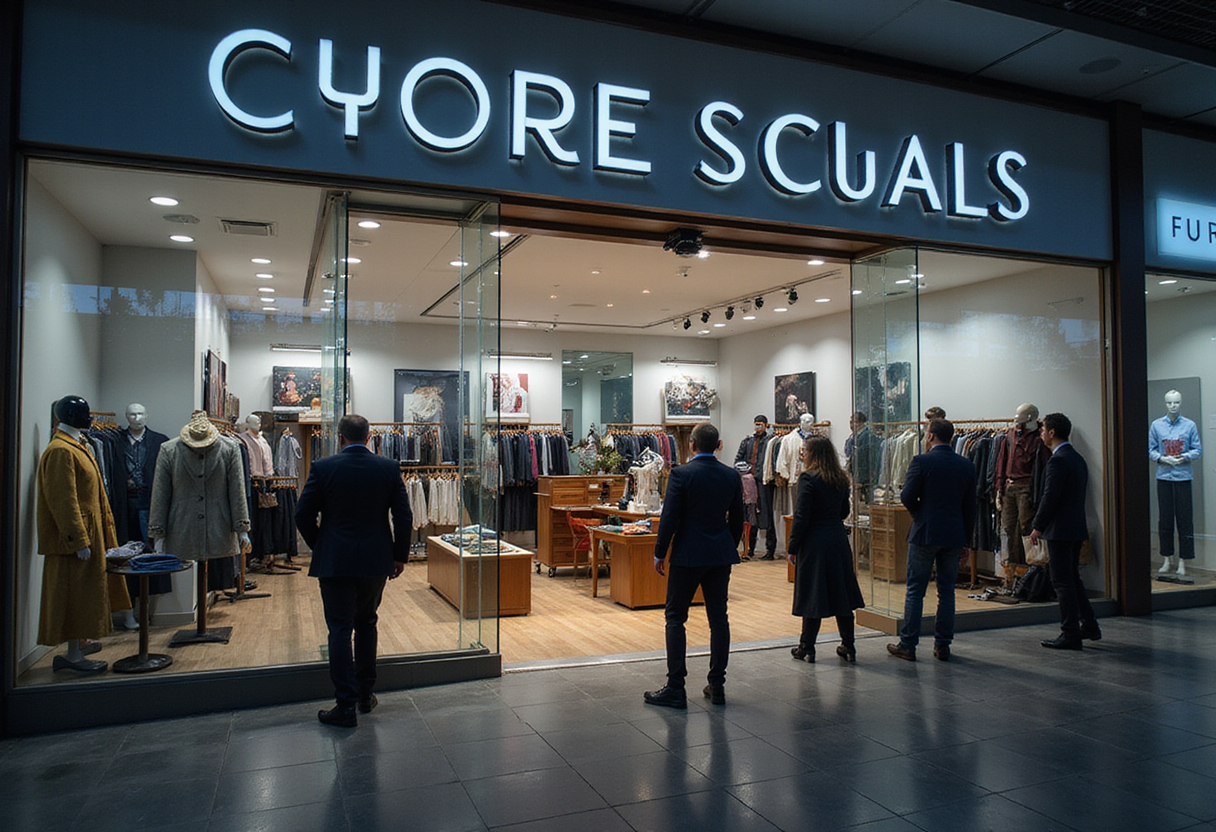
An apparel company has told a court that tariffs — not fraud — are responsible for its damaged finances, according to a Law360 report on the proceedings.
The argument came in litigation in which the company's financial deterioration is at issue. Rather than attributing the losses to misconduct alleged by the opposing side, the company pointed to the impact of tariff costs on its business as the true cause of its deteriorated financial position.
For apparel sourcing and supply-chain professionals, the claim lands in a familiar context. Import duties have squeezed margins across the sector since the current round of US tariff measures took effect, and companies facing litigation or insolvency are increasingly citing duty costs as a demonstrable, external driver of financial distress.
What does the argument change?
The company's position attempts to shift the causal narrative in the case. If the court accepts that tariffs — a macroeconomic and trade-policy factor outside the company's control — explain the financial decline, the fraud allegations lose their alleged financial footprint. If the court rejects it, plaintiffs gain a template for treating tariff-era losses as evidence of internal wrongdoing rather than external pressure.
Either outcome carries signal for apparel brands and their vendors. Courts, insurers and lenders are now being asked to distinguish between distress caused by duty costs and distress caused by mismanagement or misconduct. Companies that can document tariff exposure — duty rates paid, landed-cost increases, sourcing shifts — are better positioned in that scrutiny than those that cannot.
The report does not yet indicate when the court will rule on the argument or on the underlying claims. The outcome will be one to watch for any apparel business whose balance sheet took a tariff hit while litigation was pending.
via Google News: Apparel & textile tariffs (Source)
More from Tom Whitfield
Show full bio
Market editor covering marketplaces and e-commerce at The Fabric Brief.
173 articles
Also on the board
- Apparel Company Blames Tariffs, Not Fraud, for Financial Woes
- Apparel Company Tells Court Tariffs, Not Fraud, Drove Losses
- Supreme Court Strikes Down Trump Tariffs; Apparel Stocks Rally
- Nike Sued Over Tariff Surcharges and 'Double Recovery' Refunds
- 25 States Target Trump Tariffs in $7.2 Billion Apparel Trade Dispute