Swatch card No. SW-3793 · cut October 10, 2026
Trade & TariffsMill spec card
Supreme Court Strikes Down Trump Tariffs; Apparel Stocks Rally
The US Supreme Court has struck down President Trump's tariff regime, sending retail and apparel equities sharply higher, the New York Post reported. Sourcing teams now await CBP guidance on refunds and landed-cost recalculations.
- Fiber
- Trade & Tariffs
- Count
- 3 min read
- Cut
- Weight
- 622 words
Spec notes
- The US Supreme Court struck down President Trump's tariff regime, the New York Post reported.
- Retail and apparel equities rallied on the news, described by the New York Post as a spike.
- The ruling affects the duty line of landed cost, not ocean freight, fabric or labor costs.
- CBP guidance on refund eligibility and in-transit cargo treatment was not yet available at time of reporting.
- Industry trade associations had not issued formal positions in the available reporting.
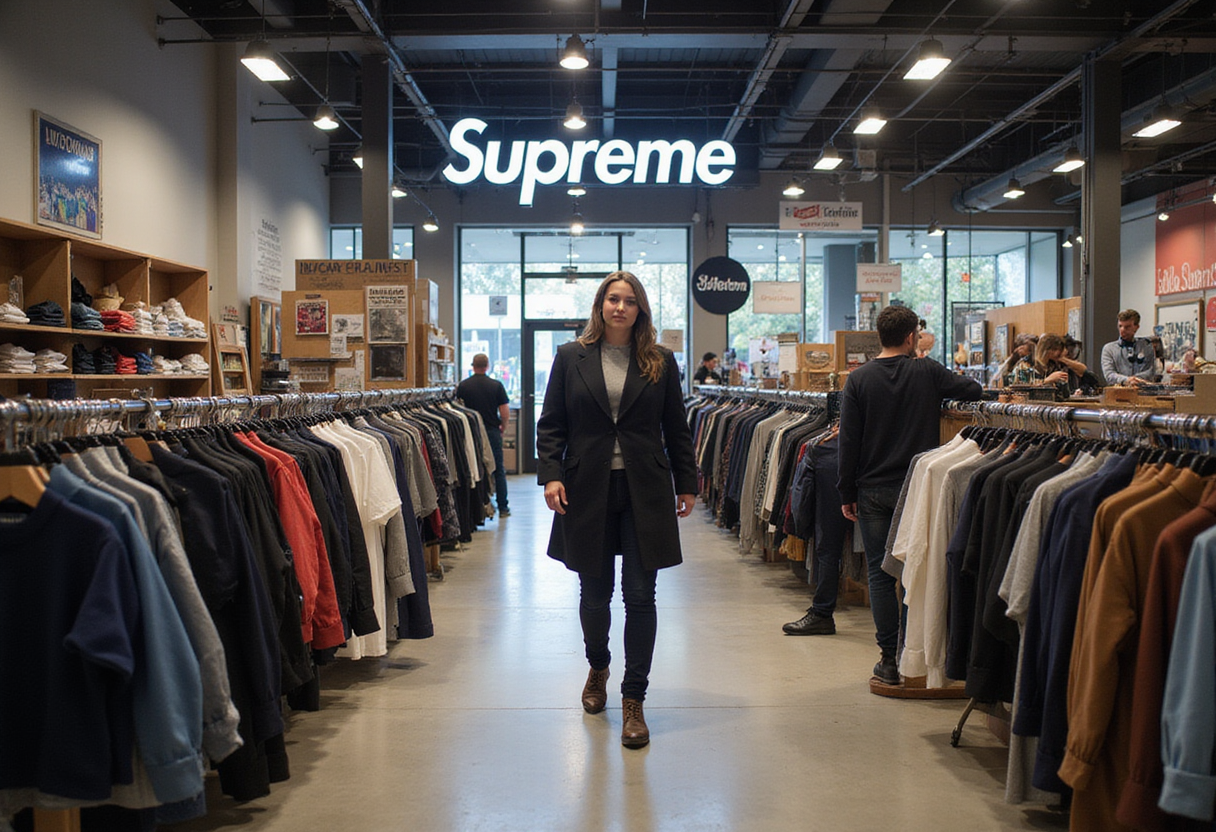
The US Supreme Court has struck down President Trump's tariff regime, and US-listed retail and apparel equities moved sharply higher on the news, the New York Post reported.
What is the court action?
The headline decision removes a duty layer that has shaped apparel sourcing math since the Trump administration first imposed broad-based tariffs on Chinese-origin goods and extended them to additional origins. By invalidating the underlying tariff authority, the ruling resets the duty column of landed-cost models that brands, retailers and sourcing teams have used to negotiate vendor pricing and plan retail margins.
The reported ruling does not specify in the available reporting which statutory authority the court found deficient, nor whether the decision applies retroactively to collected duties, to goods in transit, or only to prospective entries. Each scope choice will shape refund mechanics at US Customs and Border Protection and the financial windfall — or absence of one — for any brand sitting on tariff-paid inventory.
How did the market read it?
The New York Post described the equity move as a "spike," language that typically signals a broad sector rally rather than an idiosyncratic single-name reaction. The source does not list specific tickers, percentage gains or volume figures, so sourcing and finance executives will need closing data and sector ETF flows to benchmark the session.
Categories with the highest pre-ruling China-sourcing exposure would have been positioned for the largest relief: mass, value, off-price and mid-tier apparel names with cost-of-goods-sold structures tied to duty rates. The reported broad move upward implies the market is treating the ruling as a near-term margin tailwind for the sector rather than a narrow technical adjustment.
What changes operationally?
For US brands and sourcing teams, three questions will dominate the next four weeks:
- Liquidation timing. CBP will issue guidance on whether entries already liquidated become eligible for refund, whether protests already filed are mooted, and whether in-transit cargo must be redocumented at the border.
- Vendor renegotiation. Open purchase orders priced on pre-ruling landed costs create a window for buyers to push for repricing and for vendors to seek relief on contracts negotiated under the previous duty regime.
- Forward booking. Spring and resort programs already committed at fixed FOB prices do not benefit from the ruling; only new negotiations and future-season costing reset.
Lead times will not shorten in the near term. The ruling affects the duty line of landed cost, not ocean freight, fabric cost, labor or compliance overhead. Factory capacity booked months ago remains booked.
What remains unresolved
The New York Post report does not specify whether Congress will move to legislate alternative tariff authority, whether the administration will seek emergency or alternative vehicles, or whether the ruling triggers automatic refunds of duties already collected. These procedural questions typically resolve in the two-to-six-week window after a major trade-policy decision and will determine the actual cash impact for brands with tariff-paid inventory in warehouses or on the water.
Industry trade associations have not yet issued formal positions in the available reporting. Their statements will clarify whether the sector treats the ruling as durable or vulnerable to legislative reversal. Brands with significant at-risk inventory should expect competing pressure: sourcing teams will chase refunds and duty-rebate filings while finance teams weigh whether to book a one-time gain in the current quarter or defer recognition pending litigation risk.
The next concrete data points to track: same-session close prices for the S&P Retail Select Industry ETF and any apparel-specific basket, CBP guidance on entry treatment and refund eligibility, and any administration response signaling an alternative tariff vehicle within the statutory window.
via Google News: Apparel & textile tariffs (Source)
More from Marcus Bennett
Show full bio
Senior reporter covering business strategy at The Fabric Brief.
163 articles
Also on the board
- Trade Court Grills Both Sides in Challenge to Forced Labor Tariffs
- Tariffs, Not Fraud, Drove Apparel Firm's Losses, Court Hears
- Apparel Company Blames Tariffs, Not Fraud, for Financial Woes
- US Tariffs Accelerate Apparel Sourcing Shift Away From Asia
- Trump Tariff Plan Pressures Apparel, Electronics Margins