Swatch card No. SW-6068 · cut October 10, 2026
Trade & TariffsMill spec card
US Tariffs Accelerate Apparel Sourcing Shift Away From Asia
Fibre2Fashion reports US tariffs are accelerating apparel sourcing rerouting beyond Asia, but the headline lacks specifics on duty measures, categories and order volumes that sourcing teams need.
- Fiber
- Trade & Tariffs
- Count
- 2 min read
- Cut
- Weight
- 484 words
Spec notes
- Fibre2Fashion published a report headlined 'US tariffs accelerate apparel sourcing beyond Asia'
- The report's headline does not specify which tariff measure or country-of-origin designation triggered the shift
- No apparel categories, volume figures, or named brands/factories are disclosed in the headline
- The signal sits with buyers on landed cost, lead time and compliance rather than consumer trends
- Capacity outside Asia remains the binding constraint for any sourcing reroute at volume
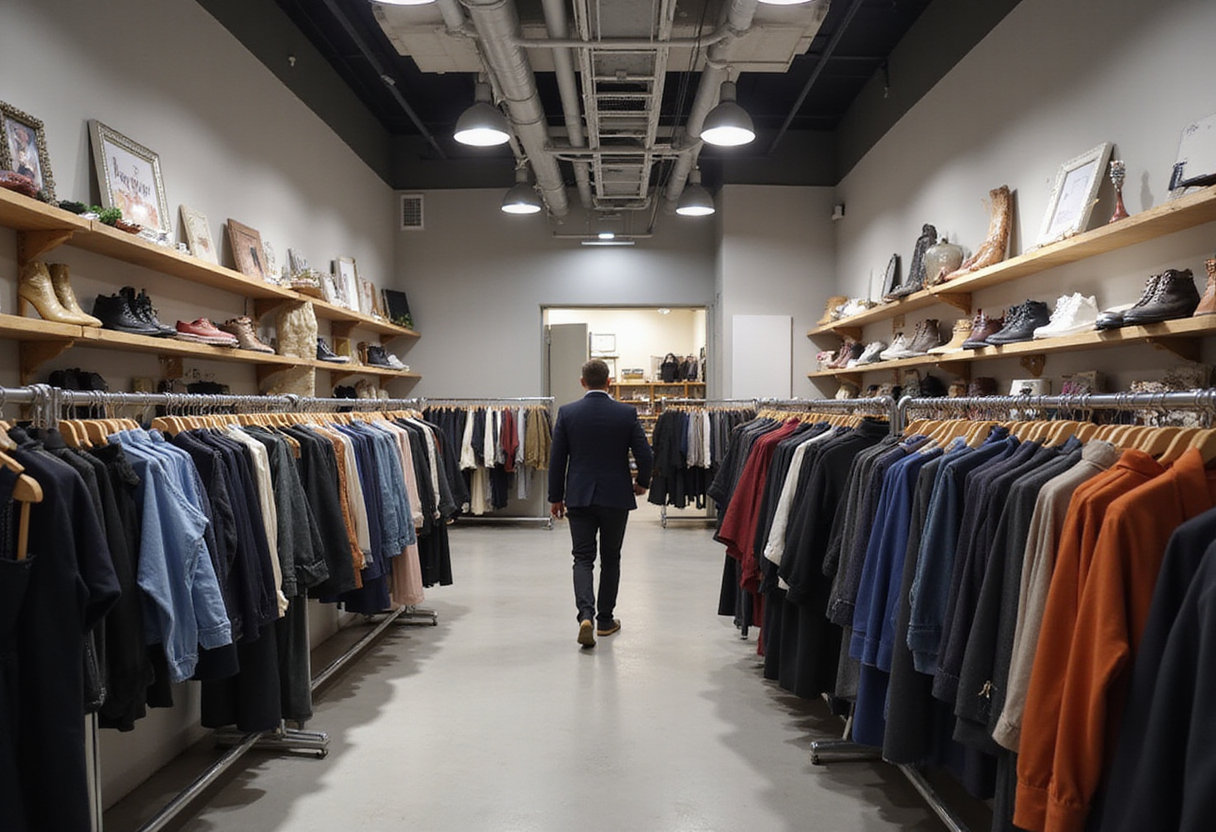
US tariffs are accelerating a structural rerouting of apparel sourcing away from Asia, according to a Fibre2Fashion report flagged this week.
The trade publication's headline frames the shift in blunt commercial terms: duty regimes are now moving faster than brand sourcing calendars, and Asia-heavy apparel supply chains are the first casualty.
What does the headline actually tell sourcing teams?
The signal sits squarely with buyers, not consumers. Tariff-induced cost differentials between Asian and non-Asian origins have crossed the threshold where re-engineering the supply chain pencils out, even before buyers layer in lead-time, freight and compliance variables.
How should buyers read a one-line headline?
Treat it as directional evidence, not a finished data set. The headline asserts a directional trend without disclosing:
- The specific tariff measure or country of origin designation driving the change
- The apparel categories most exposed
- Volume figures, percentage shifts or order counts
- Named brands, retailers or factories participating in the reroute
- Whether the report cites announced intentions or confirmed order placement
That distinction matters. Announced diversification does not equal booked POs, and announced capacity does not equal delivered capacity. Sourcing professionals who act on headlines without the underlying data risk committing to factories that cannot scale.
What pressure does this put on non-Asian capacity?
If the trend is real at scale, alternative-origin capacity becomes the binding constraint. Western Hemisphere cut-and-sew capacity has been tight for two seasons, with mill lead times extending as US brands compete for slots. African sourcing remains a longer-cycle bet, weighed down by infrastructure and scale gaps that limit near-term volume regardless of duty preference access.
For buyers evaluating destinations in the wake of the report, the decision matrix now ranks tariff exposure, freight cost, duty preference programs, labor cost, capacity availability and compliance documentation maturity ahead of legacy relationships in Asia.
What changes in the costing model?
A tariff differential of even 10 to 15 percentage points between Asian and non-Asian origins reshapes factory selection for price-sensitive basics where margin is already thin. Buyers who modeled Asia as the default base case must rebuild the total cost sheet with the new duty overlay, then test whether shorter transit from nearshoring offsets the higher unit cost.
What stays unconfirmed
Until Fibre2Fashion or the underlying source publishes the supporting data points, sourcing teams should treat the headline as a flag to revisit destination strategy, not a directive to issue stop-ship notices to Asian vendors. The report itself does not specify the trigger tariff action, the affected HS codes or the apparel sub-segments most exposed.
The forward-looking question is whether apparel's "China-plus-one" playbook now becomes an "Asia-minus-many" model, with sourcing footprints distributed across three to four regions rather than concentrated in two, with cost, transit and capacity trade-offs recalculated every quarter as tariff policy shifts.
via Google News: Apparel sourcing & supply chain (Source)
More from Tom Whitfield
Show full bio
Market editor covering marketplaces and e-commerce at The Fabric Brief.
173 articles