Swatch card No. SW-3107 · cut October 30, 2026
Fashion TechMill spec card
ShinWon Rolls Out SAP-Based SPHERE ERP to Power AI Push
ShinWon has deployed SPHERE, an SAP S/4HANA-based ERP uniting PLM, SRM and MES, as the data foundation for AI forecasting and export automation across its global factories.
- Fiber
- Fashion Tech
- Count
- 3 min read
- Cut
- Weight
- 628 words
Spec notes
- ShinWon deployed SPHERE, a unified ERP platform built on SAP S/4HANA
- The platform integrates five systems: PLM, SRM, MES, e-Accounting and SAP Analytics Cloud
- ShinWon previously set up a dedicated AI organisation and deployed ChatGPT Enterprise
- An in-house AI demand forecasting system using major-retailer sales data is in development
- CEO JJ Park said SPHERE lays the foundation for AI integration across operations
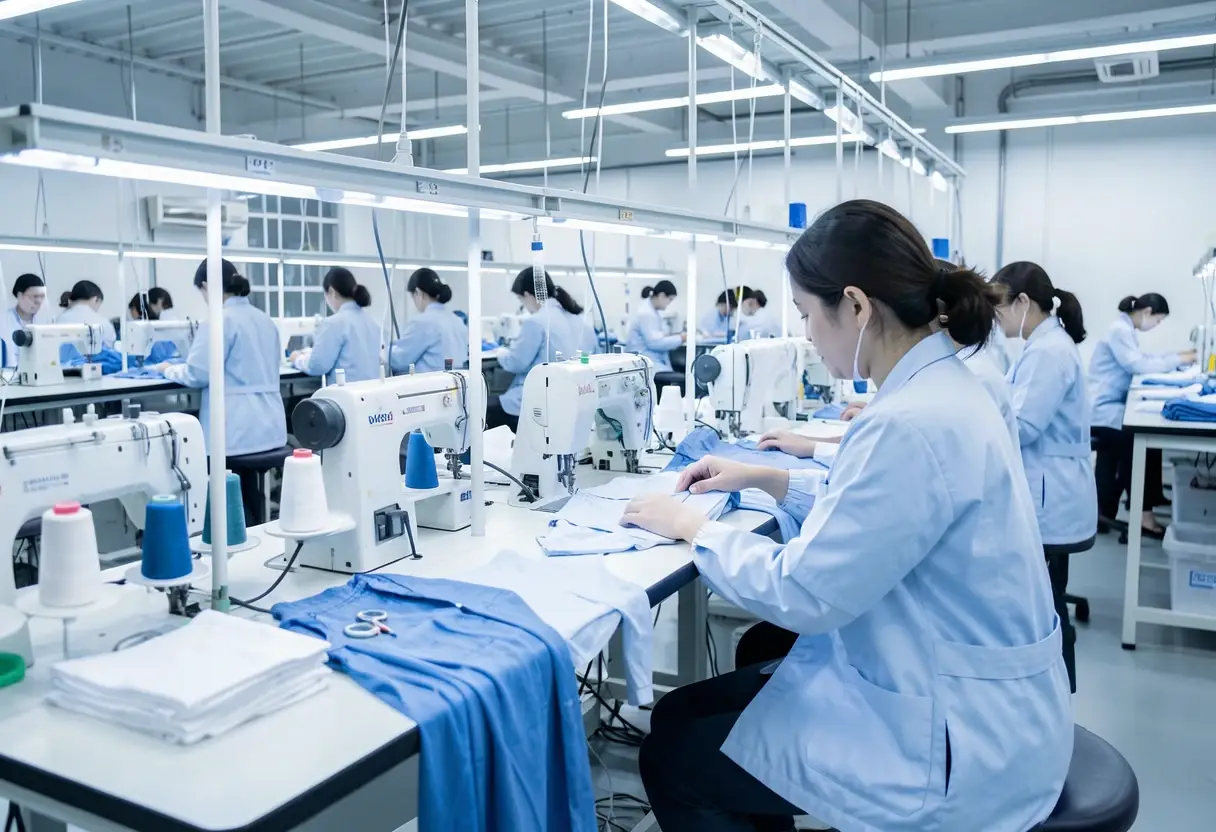
South Korean apparel group ShinWon has deployed SPHERE, a unified ERP (enterprise resource planning) platform built on SAP S/4HANA, as the operational backbone of its company-wide AI transformation. The company announced the rollout as the centrepiece of an initiative that replaces spreadsheets, emails and siloed applications across its global operations.
The scale of consolidation is the story here. SPHERE integrates:
- Product Lifecycle Management (PLM, the system governing styles from design to production)
- Supplier Relationship Management (SRM, vendor sourcing and performance tracking)
- Manufacturing Execution System (MES, shop-floor production control)
- e-Accounting
- SAP Analytics Cloud
Together these cover order management, product development, costing, procurement, production, logistics, shipment and financial settlement. That is effectively the entire order-to-cash cycle on one data layer. ShinWon claims this brings greater consistency and data accessibility, particularly at the product level.
What changes for sourcing and production control?
For a group running headquarters and overseas manufacturing sites in parallel, the promised gain is standardisation. ShinWon says the unified system enables systematic management of individual styles' bills of materials (BOM, the component and material list per style) and production processes, by aligning operations and data standards across HQ and foreign factories. Cross-site standardisation is where multinational apparel groups most often lose margin, so the claim targets a real cost. The company has not disclosed deployment dates by site, the number of factories affected, or implementation costs.
A key feature is the pairing of MES and ERP capabilities. ShinWon says this improves visibility of production status and cost information, and speeds up identification and resolution of production issues. Faster issue detection shortens lead times only if factory teams act on the data; the company offered no measured results yet. Separating announced capability from demonstrated benefit is warranted here.
On the analytics side, SAP Analytics Cloud now supports analysis of orders, production and cost data across subsidiaries, clients and product lines. ShinWon expects more comprehensive, data-driven profitability analysis by product and by buyer. That granularity matters for sourcing decisions — it determines which retailer programmes earn their factory capacity. No baseline metrics were published.
How does this connect to ShinWon's AI plans?
The ERP deployment extends an existing AI programme. ShinWon has already set up a dedicated AI organisation and deployed ChatGPT Enterprise across the business. SPHERE provides the standardised data foundation the company says future AI tools need — AI forecasting and automation systems fail without consistent input data.
The next phase is concrete. ShinWon is developing in-house an AI-powered demand forecasting system using sales data from major retailers. Variables under consideration include weather data, regional factors and promotional periods, to sharpen forecast accuracy. Better forecasts feed directly into fabric commitment timing and capacity booking, the highest-risk decisions in apparel sourcing. The company is also evaluating AI automation for export declaration preparation and verification, a compliance task where its standardised ERP data could cut clerical overhead. Both are stated intentions, not shipped systems.
CEO JJ Park framed the platform as groundwork rather than an endpoint. He said: "Through SPHERE, we have established a unified framework that connects our business operations and data, laying the foundation for AI integration. We will continue to expand AI applications across our operations to enhance global supply chain visibility, improve operational efficiency, and strengthen our manufacturing competitiveness through data-driven innovation."
The quote is a vision statement. It commits to no dates, volumes or savings targets. What is confirmed: the platform is live and integrating five systems. What is not: measurable outcomes, rollout cost, and the timeline for the demand forecasting tool. ShinWon says it will pursue a phased plan to embed AI across business functions, with profitability analysis by product and buyer as the near-term analytical dividend sourcing teams should watch for.
via Just Style (Source)
More from Priya Raman
Show full bio
Correspondent covering people, launches and day-to-day practice in fashion industry as a trade and business at The Fabric Brief.
290 articles
Also on the board
- ShinWon links global apparel plants on single ERP platform
- STCH Bets on AI and a Factory OS to Modernise Apparel Manufacturing
- Mirza International Sets Up Wholly Owned Subsidiary Mirza Global
- US Apparel Sourcing Tilts Toward Fewer, Larger Strategic Vendors
- Data-Driven Precision Emerges as Core Manufacturing Strategy