Swatch card No. SW-8208 · cut October 10, 2026
Sustainability & ComplianceMill spec card
Primark signs multi-year Circ offtake for recycled polyester with 2029 rollout
Primark has signed a multi-year offtake agreement with US textile recycler Circ for recycled polyester, with the material scheduled to enter its clothing ranges from 2029. Volume and financial terms remain undisclosed.
- Fiber
- Sustainability & Compliance
- Count
- 3 min read
- Cut
- Weight
- 572 words
Spec notes
- Multi-year Circ offtake is Primark's first long-term textile-to-textile commitment
- Recycled polyester enters Primark clothing ranges from 2029
- Circ building first industrial-scale plant in France; HQ in Danville, Virginia
- Circ process separates polyester and cellulose in polycotton blends to recover both streams
- Volume and financial terms of the agreement have not been disclosed
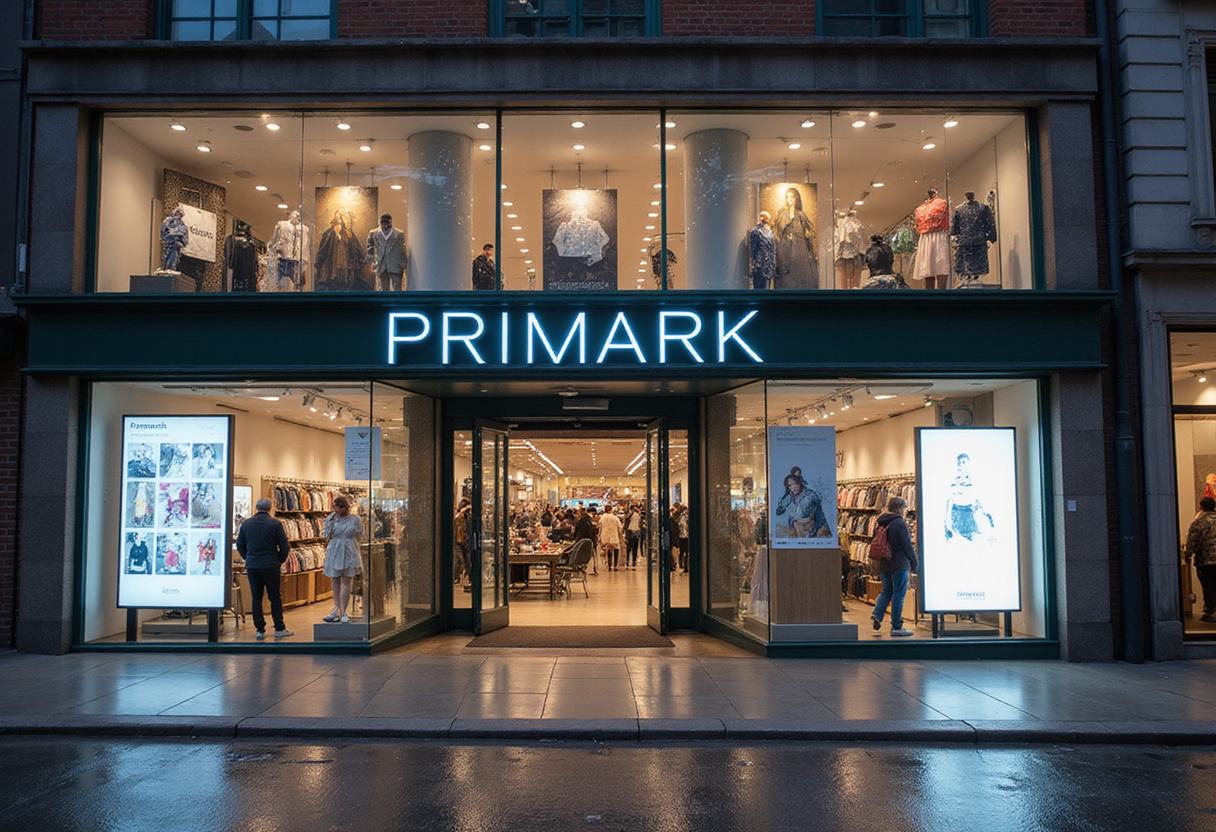
Primark has signed a multi-year offtake agreement with US textile recycler Circ for recycled polyester produced from textile waste, with the material scheduled to enter the retailer's clothing ranges from 2029.
The deal is Primark's first long-term offtake commitment with a textile-to-textile recycler. It supports Circ as the company moves its polycotton recycling technology from demonstration projects to industrial-scale production.
What does the agreement cover?
- Product: recycled polyester (Circ Polyester) and Circ Lyocell outputs
- Feedstock: post-consumer and post-industrial textile waste sourced internationally, including European material
- Recycler: Circ, headquartered in Danville, Virginia
- Manufacturing site: Circ's first industrial-scale plant, under development in France
- Commercial start: 2029 in Primark ranges
- Volume and financial terms: not disclosed
Circ's patented process targets a persistent problem in textile recycling: separating the polyester and cellulosic components of polycotton blends so that both streams can be recovered as inputs for new fabrics. The combination ranks among the most widely used in fashion, but the two-fibre separation has blocked closed-loop recycling.
What is Circ bringing online?
The French plant will provide the industrial capacity Circ needs to move beyond individual brand trials and into larger-volume fashion supply chains. The facility will process internationally sourced feedstock and supply the recycled polyester covered by the Primark agreement.
For Primark, the partnership extends a broader push to raise recycled-fibre use and cut dependence on virgin polyester. The retailer has framed that work through its Circular Product Standard and adjacent reuse and repair programmes.
What did the principals say?
Circ CEO Peter Majeranowski framed the deal as a vote of confidence in scaling up:
"Long-term commitments from major fashion retailers would be important in moving textile-to-textile recycling from demonstration and early commercial projects towards large-scale production," Majeranowski said.
Lynne Walker, director of Primark Cares, positioned the partnership within Primark's fibre strategy:
"The partnership would help Primark increase the use of circular materials while supporting the scale-up of textile-to-textile recycling technologies," Walker said.
What this means for sourcing and supply
The agreement converts Circ from a trial supplier into a contracted anchor customer at the moment the recycler commits capex to its first industrial line. For Primark, the 2029 in-store date sets a clear adoption window for buyers planning fibre mix in upcoming ranges.
Sourcing teams will watch three indicators:
- Capacity disclosure. Circ has not named the plant's annual tonnage or the share reserved for Primark.
- Pricing versus virgin polyester. Recycled PET from bottle-grade sources has traded at a premium that has narrowed and widened with oil prices; textile-to-textile pricing benchmarks remain thin.
- Certification and traceability. The deal sits outside the bottle-grade rPET chain, so brand-side claims will rest on Circ's process documentation rather than existing recycled-content standards.
What remains unclear
Undisclosed volumes leave unanswered how much of Primark's polyester demand the agreement will cover. The 2029 commercial date also places the rollout well after several EU textile sustainability rules take effect, including extended producer responsibility schemes and digital product passport requirements, which will shape the compliance case for textile-to-textile inputs.
If Circ's French plant reaches nameplate capacity on the current timeline, the Primark offtake could become a reference contract that pulls textile-to-textile polyester from boutique volumes into the core sourcing ledger of a high-street retailer.
via circ.earth (Original)
More from Elena Vasquez
Also on the board
- Primark signs first multi-year offtake with Circ for recycled polyester
- Primark Signs Multiyear Offtake Deal for Circ Recycled Polyester
- Huafon Backs Circ with 200-Ton-Per-Day Textile Recycling Plant in China
- Weavabel Launches Closed-Loop Recycling System for Fashion Poly Bags
- Parkdale Takes Full Ownership of CiCLO Biodegradable Fiber Tech