Swatch card · cut November 23, 2026
Brands & Retail BusinessMill spec card
LVMH Fashion Sales Fall 5% as China Resets the Luxury Value Equation
LVMH fashion sales fell 5% in Q3 2026 as Gucci dropped 6%, yet incomes rose 4.4% — Chinese shoppers are re-pricing luxury itself, and Laopu Gold is winning the same customers.
- Fiber
- Brands & Retail Business
- Count
- 4 min read
- Cut
- Weight
- 858 words
Spec notes
- LVMH Fashion and Leather Goods organic sales fell 5% in Q3 2026 after +1% growth in Q2; Gucci comparable sales fell 6%.
- Laopu Gold revenue rose 60.3% to RMB 19.81 billion ($2.97 billion) in H1, with 82.4% customer overlap with five top luxury brands as of March 2026.
- China per capita disposable income rose 4.4% real in the first nine months of 2026; services retail grew 4.9% versus 0.9% for goods.
- Tiffany apologized after a viral Xiaohongshu complaint from a customer claiming RMB 200,000 ($30,000) in spend.
- Simon-Kucher found 36% of Chinese consumers dissatisfied with personalization and only 10% classified as Status Shoppers.
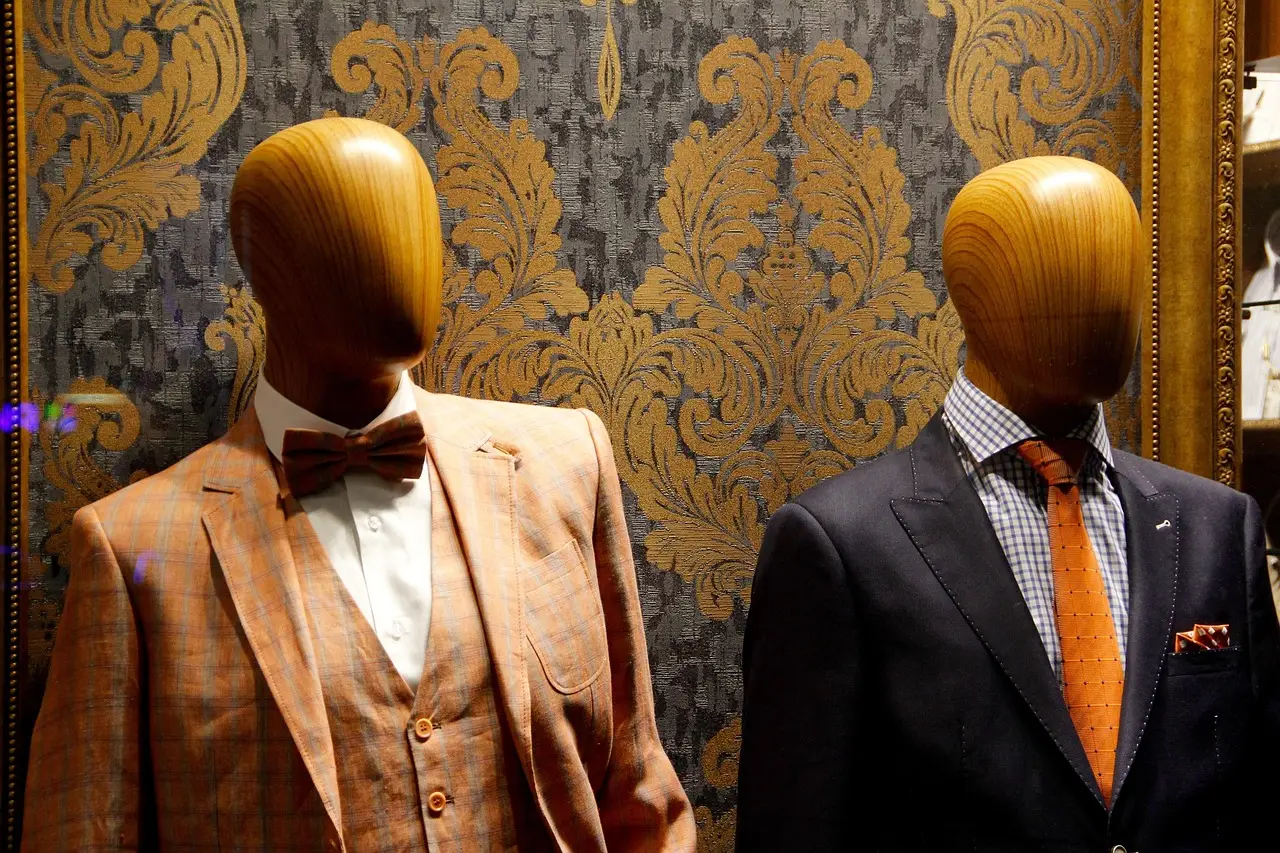
LVMH's Fashion and Leather Goods division posted a 5% organic sales decline in the third quarter of 2026, wiping out a brief return to growth of 1% in the prior quarter and confirming that China's luxury downturn now runs deeper than macroeconomic weakness.
Gucci's comparable sales fell 6% in the same period, weighed down partly by weak mainland Chinese traffic. Prada Group also reported subdued footfall in the market. Richemont, whose jewelry houses rank among the industry's most resilient performers, flagged soft mainland demand even as group sales grew 17% at constant exchange rates in the six months to September.
The numbers contradict a simple affordability narrative. China's National Bureau of Statistics reports per capita disposable income rose 4.4% in real terms in the first nine months of 2026, and total retail sales reached RMB 41.6 trillion ($6.2 trillion) in the first ten months, up 1% year-on-year. Services retail grew 4.9% against 0.9% for goods — a nearly five-to-one gap that signals where discretionary spending is migrating.
"The spending capacity of affluent Chinese consumers remains intact; the criteria by which value is judged have changed," said Wenbo Li, partner and Greater China regional lead at Simon-Kucher.
What is breaking the exclusivity model?
Chinese shoppers are increasingly rejecting the transaction at the core of luxury retail: spending as the price of recognition. On Xiaohongshu, complaints about dismissive treatment in boutiques have multiplied, particularly where sales associates judge customers as unlikely to purchase.
In November, designer Lan Yu publicly criticized Western luxury houses in a video referencing a leading brand after an unpleasant boutique experience. The video drew more than five million views, 31,000 likes and over 2,800 comments, many recounting similar treatment.
The tension peaked in late September, when a Chengdu customer who claimed to have spent more than RMB 200,000 ($30,000) at Tiffany & Co. complained on Xiaohongshu that a Mid-Autumn Festival mooncake gift went to another high-spending client but not to her. The post went viral, related discussions reached Weibo's trending lists, and Tiffany apologized and announced service-procedure improvements.
"Exclusivity, by definition, means excluding people. I question whether making consumers feel excluded is a healthy or sustainable way to create desire," said Yann Bozec, co-founder of consultancy YB Stratis and former president of Tapestry Asia-Pacific.
Simon-Kucher's 2025 Luxury Consumer Study quantifies the disconnect: 36% of Chinese respondents were dissatisfied with personalization, 31% with communication frequency and 30% with customer engagement effectiveness.
Where is the spending going instead?
A designer handbag now competes with travel, fine dining, wellness and cultural experiences. More than two-thirds of surveyed Chinese consumers view luxury as a lifestyle spanning purchases, experiences and ways of living.
"Consumers aren't necessarily spending less. Having already experienced most of the material side of life, they are no longer paying simply for the end-product, but are more discerning about the experience journey," said Vera Wu, director and head of commercial property at Westbund Central, a Hongkong Land development in Shanghai.
Westbund Central illustrates the retail response: a RMB 60 billion ($9 billion) mixed-use project with roughly 1.7 million square meters of planned gross floor area, combining retail, dining, wellness, cultural programming and public space. Opening initiatives included an installation by British artist Morag Myerscough and a mindfulness session led by Jesse Israel with Lululemon. "We aren't filling a mall in a single quarter; we are cultivating a neighborhood over a decade," Wu said.
The domestic competition is sharper still. Laopu Gold, founded in 2016 and built on traditional Chinese goldsmithing techniques, reported first-half revenue up 60.3% to RMB 19.81 billion ($2.97 billion), with net profit up 88.2% to RMB 4.27 billion ($640.5 million). Frost & Sullivan data show its customer base averaged 82.4% overlap with five leading luxury brands — Louis Vuitton, Hermès, Cartier, Bulgari and Tiffany — as of March 2026. A generation of homegrown brands including Songmont, Pane and To Summer is building credibility without Western creative directors or imported heritage.
"At some point, the brand became more important than the product. We created an industry where the label itself became the source of value, sometimes overshadowing the craftsmanship and creativity that made luxury desirable in the first place," Bozec said.
Simon-Kucher's segmentation underscores the diversification: 45% of Chinese respondents qualified as "Fashion Forward Icons," versus 15% in Europe and 11% in the US; 25% were "Quiet Luxury Enthusiasts" prioritizing craftsmanship; only 10% fell into the "Status Shoppers" category.
What does recovery require?
Li expects a gradual recovery but warns that "the previous growth model built on continuous price increases and an expanding customer base is unlikely to return." His prescription: "restoring demand in China requires shifting from price-led premiumization to value-led differentiation."
For some houses that means reinvesting in product quality, creativity and craftsmanship; for others, rebuilding customer relationships or experiences that justify the premium. Luxury houses can still shape Chinese consumers' aspirations, but they can no longer assume that influence is theirs by default.
via vogue.com (Source)
More from Elena Vasquez
Show full bio
News editor covering money, funding and market shifts around fashion industry as a trade and business at The Fabric Brief.
359 articles
Also on the board
- Western Luxury Brands Reset China Strategy as Market Contracts
- Luxury Q3: Sector Growth Halves to 4% as China Sinks Results
- Singles' Day Sales Hit $251.7 Billion as AI and Livestreams Take Over
- LVMH Fashion and Leather Goods Slides 5% as China Demand Weighs
- China's September Apparel Exports Jump 24% to $15.4 Billion