Swatch card No. SW-4133 · cut November 11, 2026
Sustainability & ComplianceMill spec card
Inditex Puts $50m Into $400m Supplier Decarbonisation Fund
Zara owner Inditex commits up to $50m to the $400m D-TAFS fund with the IFC, lending to emerging-market factories for renewable energy and cleaner production.
- Fiber
- Sustainability & Compliance
- Count
- 3 min read
- Cut
- Weight
- 533 words
Spec notes
- Inditex committed up to $50m (£37.5m) to the D-TAFS fund, launched 10 November with the IFC and SIMA.
- The fund targets $400m (£300m) total; the first round is expected to raise $225m (£168.8m).
- The IFC is the largest investor at up to $60m (£45m); backers include FMO, Proparco, British International Investment and the Apparel Impact Institute.
- Loans will fund renewable energy, machinery upgrades, water conservation and wastewater treatment across Asia, the Middle East, North Africa and Latin America.
- Inditex reported 7.6% first-half sales growth to €19.8bn and plans €2.3bn of investment in 2026.
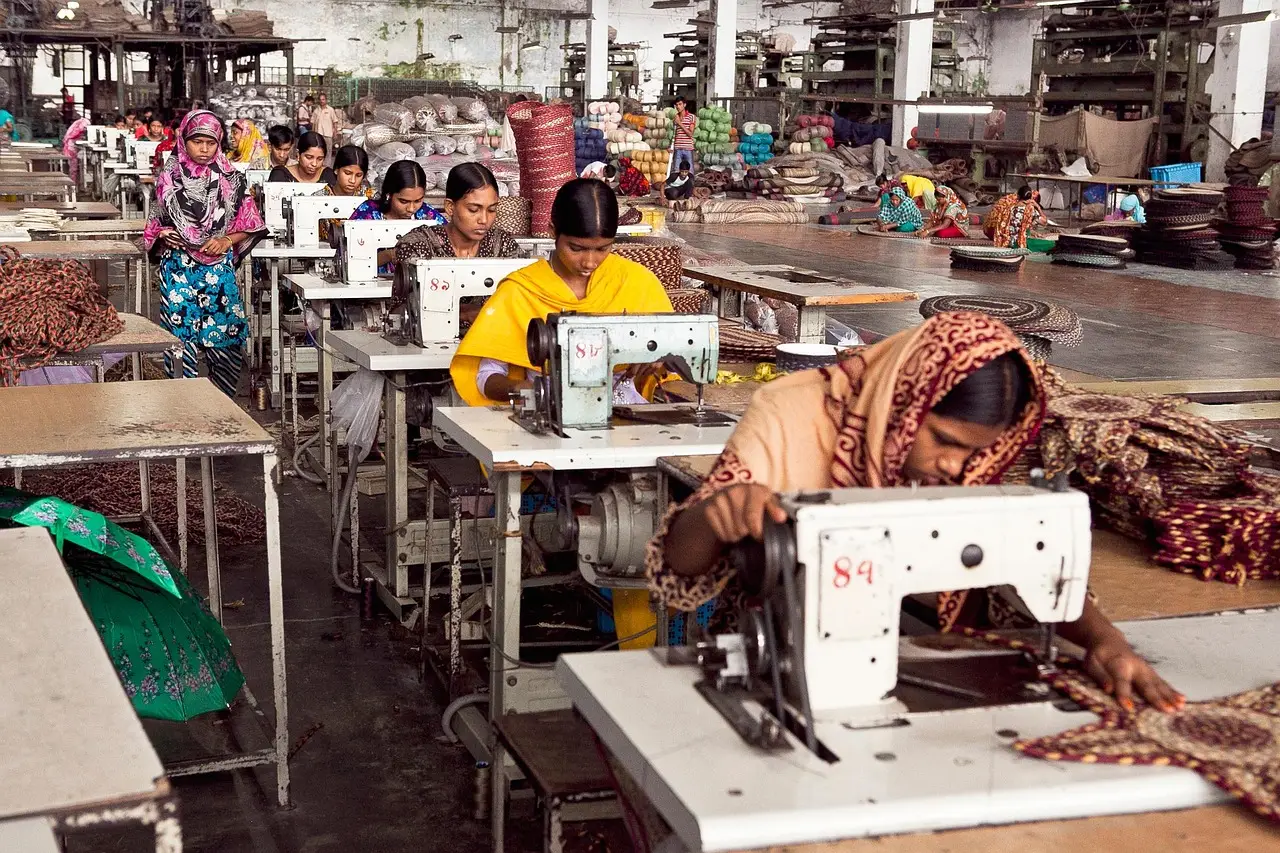
Inditex has committed up to $50m (£37.5m) to a new $400m (£300m) fund that will lend to textile, apparel and footwear manufacturers in emerging markets to cut their environmental impact. For sourcing teams, the significance is straightforward: the money is aimed at the factory tier where most supply-chain emissions sit and where suppliers have historically struggled to finance cleaner equipment.
The Decarbonisation of Textile, Apparel & Footwear Suppliers fund — D-TAFS — launched on 10 November. The World Bank's International Finance Corporation and investment manager Social Investment Managers & Advisors (SIMA) run it. The vehicle will provide long-term loans to manufacturers and to energy developers, financing renewable energy installations, machinery upgrades, water conservation and wastewater treatment. It will also fund better management of chemicals and industrial waste.
Who is paying, and how much?
Inditex and the IFC anchor the fund as its largest investors, committing up to $50m and $60m (£45m) respectively. Other backers include:
- Dutch development bank FMO
- French finance institution Proparco
- British International Investment
- The Global Environment Facility
- The Apparel Impact Institute
The first funding round is expected to raise $225m (£168.8 million), with further fundraising planned to reach the $400m target. That gap between first close and target is worth noting: roughly $175m still has to be found before the fund reaches full size.
The structure mixes commercial and development capital to offer loans on preferential terms. The geography spans Asia, the Middle East, North Africa and Latin America — in effect, most of Inditex's supplier base.
What does this change for suppliers?
The fund targets a persistent structural problem. Manufacturers, particularly smaller suppliers, often lack access to the affordable financing needed to invest in cleaner technologies and production processes. Brands set sustainability targets; factories face the capital bills. D-TAFS attempts to shift part of that cost from the supplier balance sheet onto development finance, on lending terms a mid-sized mill in, say, North Africa could plausibly service.
Inditex Chief Executive Oscar García Maceiras said emissions were connected to "all of the processes" across the fashion supply chain, and described the public-private initiative as first-of-its-kind. That claim is fair as a description of the fund's blend of a major retailer, development banks and impact investors in one lending vehicle — though brand-backed supplier finance programmes are not themselves new.
Not Inditex's only cheque
The launch builds on an existing pattern. In 2024 the group established a separate €50m (£43m) venture capital fund to support emerging businesses developing lower-impact materials and technologies. D-TAFS moves the emphasis downstream, from materials startups to the production floor.
The group can afford both. In September it reported a 7.6% increase in first-half sales to €19.8bn (£17bn), and it plans to invest around €2.3bn (£2bn) in stores, online operations, technology and logistics during 2026. The $50m D-TAFS commitment amounts to roughly 2% of that single-year capital budget.
The fund's first-round close of $225m and the pipeline of projects it finances will be the test. If the loans reach smaller suppliers at scale, other retailers with Scope 3 targets may face pressure to join rather than observe.
via theindustry.fashion (Source)
More from Tom Whitfield
Show full bio
Market editor covering regulation, policy and their impact on fashion industry as a trade and business at The Fabric Brief.
326 articles
Also on the board
- Bezos Earth Fund Channels $34 Million to Sustainable Fashion Tech
- Over 60 Firms Join Climate Pledge Fashion Coalition
- Experts Map the Business Case for Decarbonisation Investment
- H&M and EY Press CFOs to Bankroll Fashion Supply Chain Decarbonisation
- Euratex Demands Strong EU Budget Backing for Textile Industry