Swatch card No. SW-8275 · cut November 13, 2026
Supply Chain & SourcingMill spec card
Inditex and World Bank Launch $400 Million Supply Chain Fund
Inditex commits $50 million and IFC $60 million to D-Tafs, a Sima-managed fund targeting $400 million in preferential debt for emerging-market textile factories.
- Fiber
- Supply Chain & Sourcing
- Count
- 3 min read
- Cut
- Weight
- 629 words
Spec notes
- Inditex and the World Bank Group launched D-Tafs, a fund targeting up to $400 million for textile, apparel and footwear manufacturers in emerging markets.
- Inditex contributes $50 million and the IFC $60 million; Sima manages the fund and the first close is expected at $225 million.
- The fund targets suppliers primarily in Asia, the Middle East, North Africa and Latin America.
- Eligible projects include renewable energy, machinery modernization, water reuse and wastewater treatment, with quarterly emissions-reduction reporting.
- FMO, Proparco, British International Investment, the Global Environment Facility and the Apparel Impact Institute also participate.
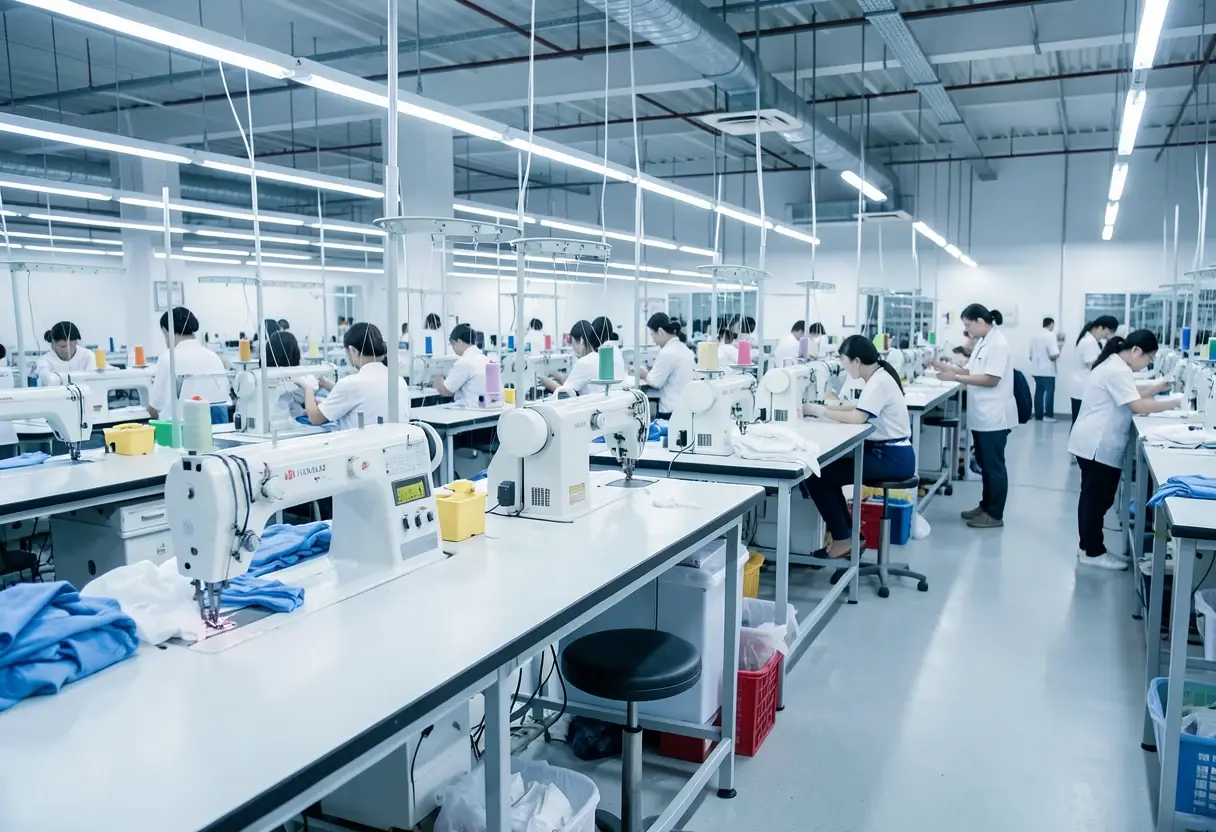
Inditex has committed $50 million to a new $400 million fund that will finance textile, apparel and footwear factories in emerging markets. The Spanish group has partnered with the World Bank Group to create D-Tafs, which will provide long-term financing to manufacturers primarily in Asia, the Middle East, North Africa and Latin America.
The International Finance Corporation (IFC), the World Bank Group's private-sector arm, will invest a further $60 million. Sima, an investment firm, will manage the vehicle. The fund's first close is expected at $225 million, with future rounds planned to draw additional investors toward the $400 million target.
For sourcing teams, the structure matters as much as the headline number. D-Tafs will lend on preferential terms, tailored to the needs of suppliers in developing countries. Capital will flow to projects in energy efficiency, renewable energy, water conservation and the reduction of industrial pollution.
How is the fund structured?
D-Tafs splits into two sub-funds. One will provide loans directly to textile and apparel manufacturers. The other will finance energy service companies, energy developers and distributors that work with those suppliers.
The deal has also drawn participation from other institutions:
- FMO, the Netherlands
- Proparco, France
- British International Investment, the United Kingdom
- The Global Environment Facility and the Apparel Impact Institute, both from the United States
The presence of the Apparel Impact Institute signals that the fund connects to existing decarbonization programs already working with brand supplier bases.
What will the money pay for?
The fund will back concrete factory upgrades. Planned measures include the installation of renewable energy systems, the replacement or modernization of machinery, boiler upgrades, process optimization, water reuse and wastewater treatment. D-Tafs will also support initiatives to improve the management of chemicals used in textile production.
The stated aims are reductions in greenhouse gas emissions, better energy and water efficiency, and a lower environmental footprint across the industry's manufacturing base.
What must suppliers do to access the capital?
Each applicant company must submit a plan identifying its infrastructure needs, from its factories to its planned investments and environmental goals. The plan will then be evaluated for feasibility. Once approved, indicators will be established to measure the progress and results of the investments.
Accountability is built in. A quarterly reporting process will analyze the environmental results achieved through the funded measures, specifically measuring emissions reductions.
Who said what?
Óscar García Maceiras, CEO of Inditex, framed the fund as a collective effort: "The transformation of the textile supply chain requires the industry to work together and for manufacturers to have access to both the technical expertise and the financing needed to make these investments."
Sarvesh Suri, IFC's regional vice president for Asia and the Pacific, positioned the vehicle as a capital-mobilization tool: "This new fund brings together leading brands, investors, and suppliers around a common goal: to mobilize capital to improve productivity, energy efficiency, and operational resilience, and to help preserve quality jobs."
What does this mean for sourcing decisions?
The fund addresses a persistent gap in supply-chain decarbonization: suppliers in Bangladesh, Vietnam, Turkey and other key sourcing markets often cannot obtain affordable long-term debt for efficiency retrofits, even when the payback periods are short. Preferential financing channeled through D-Tafs could accelerate boiler replacements and renewable installations that brands' own scope-three targets depend on.
The first close at $225 million remains an expectation, not a completed raise, and the path to $400 million depends on future funding rounds. Suppliers seeking access will need bankable infrastructure plans with measurable environmental indicators. How quickly the first loans reach factories, and at what terms, will determine whether D-Tafs shifts supplier economics or simply adds another announced intention to the industry's climate finance ledger.
via apparelviews.com (Source)
More from Rebecca Stone
Show full bio
Staff writer covering people, launches and day-to-day practice in fashion industry as a trade and business at The Fabric Brief.
308 articles