Swatch card No. SW-8568 · cut October 10, 2026
Textile InnovationMill spec card
HAMS Garments signs PIIC agreement with TIE to formalize factory innovation
HAMS Garments Ltd has signed a PIIC agreement with Textile Innovation Exchange (TIE) to embed structured innovation in factory operations, formalizing its innovation pipeline for sourcing buyers.
- Fiber
- Textile Innovation
- Count
- —
- Cut
- Weight
- —
Spec notes
- HAMS Garments Ltd signed a PIIC agreement with Textile Innovation Exchange (TIE) to embed structured innovation in factory operations
- The framework formalizes innovation pipelines inside supplier operations through defined identification, pilot, and scale stages
- TIE provides methodology support and external validation to participating factories
- Source: Textile Today report
- The agreement positions HAMS Garments for buyers seeking documented innovation capacity and ESG-linked procurement alignment
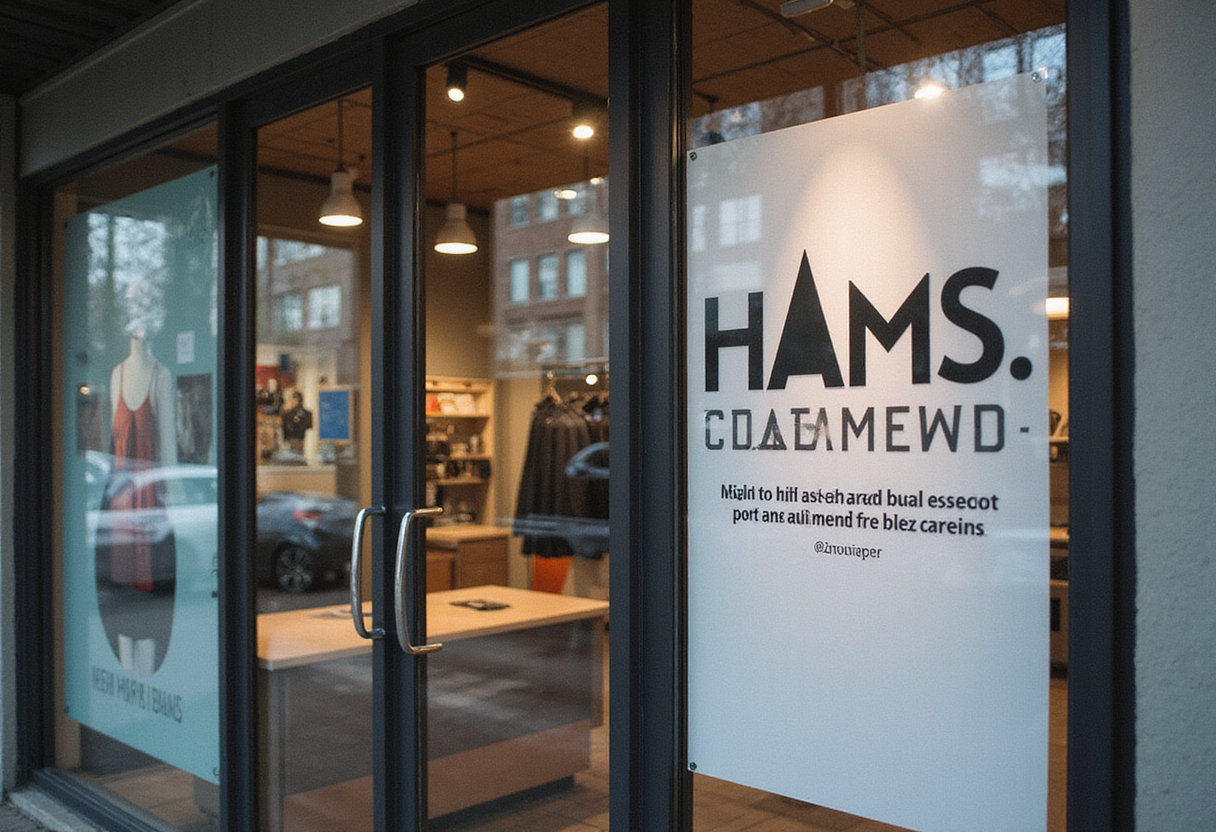
HAMS Garments Ltd has signed a PIIC agreement with Textile Innovation Exchange (TIE) to embed structured innovation across its factory operations, according to a Textile Today report.
The agreement brings the garment manufacturer into TIE's PIIC framework, a program that formalizes innovation pipelines inside supplier operations. Under the deal, the factory will integrate structured innovation processes into its production systems, with TIE providing methodology support and external validation.
What is the PIIC framework?
The PIIC agreement is a structured framework administered by TIE that helps factories move beyond ad hoc innovation toward repeatable, documented processes. Participating suppliers establish defined stages for identifying innovation opportunities, piloting solutions, and scaling those that demonstrate measurable operational or sustainability impact.
For HAMS Garments, the deal signals a shift toward treating innovation as an operational discipline rather than a project-based exercise. The factory will track innovation initiatives through TIE's methodology, creating documented evidence that can be shared with buyers during sourcing evaluations and capability assessments.
Why does this matter for sourcing teams?
Sourcing and supply-chain professionals reading the announcement should note several procurement implications. First, factories operating under TIE's framework offer a higher level of process transparency, which supports buyer due-diligence requirements under emerging regulations including the EU Corporate Sustainability Due Diligence Directive (CSDDD) and Germany's Lieferkettensorgfaltspflichtengesetz (LkSG).
Second, structured innovation pipelines can shorten lead times for new material adoption, a recurring bottleneck in apparel sourcing where sample-to-bulk pilots often stall between development and production. Suppliers that document and validate innovation steps reduce buyer risk when scaling new inputs, including recycled fibers, bio-based alternatives, and lower-impact dye chemistries.
Third, the agreement positions HAMS Garments as a preferred partner for brands seeking documented innovation capacity. That positioning could affect order allocation for buyers with innovation-led sourcing strategies and ESG-linked procurement targets.
What does HAMS Garments gain?
For HAMS Garments, the agreement provides external credibility and access to TIE's innovation network. The supplier gains a structured reporting mechanism that can be presented to existing and prospective clients, reducing the documentation burden during request-for-proposal processes and supplier audits.
Participating factories typically receive support in mapping innovation opportunities across their value chain, from fiber selection through garment finishing and packing. TIE's methodology emphasizes measurable impact, which aligns with brand-side ESG reporting requirements and Scope 3 emissions accounting.
How does PIIC fit into the compliance landscape?
The agreement does not, on its own, constitute a third-party certification. However, PIIC participation creates a documented trail that supports compliance audits and supplier questionnaires. Sourcing teams should treat the agreement as one input among several when evaluating supplier capability, alongside established certifications such as BSCI, SEDEX, OEKO-TEX, GOTS, and the ZDHC programme.
The deal sits alongside, not in place of, standard social and environmental audits. Buyers should continue to verify labor, chemical management, and traceability standards independently of innovation-framework participation.
What should sourcing teams monitor next?
The key data points to watch include: whether HAMS Garments publishes innovation case studies under the PIIC framework; how the agreement affects the supplier's buyer-mix disclosures; and whether TIE expands similar agreements with other garment manufacturers in the region.
Brands sourcing from HAMS Garments should request the supplier's PIIC implementation timeline during the next sourcing review. The agreement's value to buyers will depend on the speed at which the factory converts framework participation into documented cost, lead-time, or compliance improvements.
The deal reflects a broader trend of structured innovation programs replacing informal supplier innovation. As buyers tighten due-diligence requirements and demand documented evidence of supplier improvement, factories with formalized innovation frameworks will increasingly compete for preferential order placement and longer-term sourcing commitments.
via Google News: Textile innovation & smart textiles (Source)
More from Elena Vasquez
Also on the board
- US apparel importers face narrow tariff window before Section 301
- Durak Tekstil Launches Maxibalance Bio-Ceramic Embroidery Thread
- MAS Holdings Builds Bangladesh Talent Pipeline via University Deals
- Hoka Launches at Academy With $100 Million Potential by 2030
- JAAF Reaffirms Confidence in Long-Term Strength of Sri Lankan Apparel