Swatch card No. SW-3158 · cut November 13, 2026
Sustainability & ComplianceMill spec card
HAMS Garments Cuts Emissions 78.1%, Wins WCES Award at COP31
HAMS Garments of Bangladesh won the 2026 World Championship for Energy Savings at COP31 in Antalya, after verified data showed a 78.1% emissions cut and LEED Platinum at 108 of 110 points.
- Fiber
- Sustainability & Compliance
- Count
- 3 min read
- Cut
- Weight
- 574 words
Spec notes
- HAMS Garments won the 2026 WCES World Champion award, Renovated Building Category, at COP31 in Antalya on 12 November 2026.
- Competition organizers' analysis of submitted energy data showed a 78.1% reduction in associated emissions.
- The factory holds LEED Platinum with 108 of 110 points under LEED v4 O+M: Existing Buildings, 28 points above the Platinum threshold.
- Indoor water use is 51.69% below the LEED baseline; 99.33% of ongoing consumables waste is diverted from landfill.
- The project team reports a payback period of less than three years on the efficiency investment.
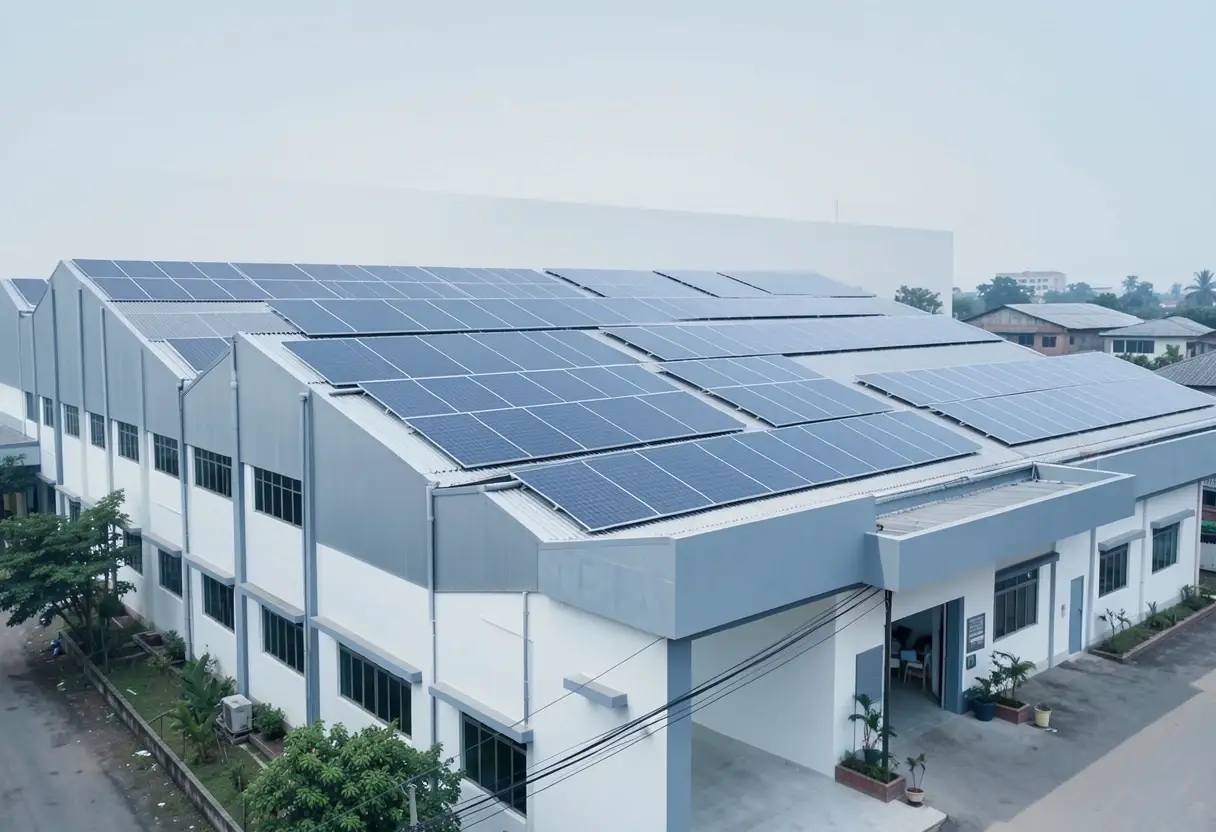
Bangladeshi garment maker HAMS Garments Ltd. has won the 2026 World Champion award in the Renovated Building Category of the World Championship for Energy Savings (WCES), with organizers' analysis of submitted energy data showing a 78.1% reduction in associated emissions.
The award was presented on 12 November 2026 at the International Sustainable Buildings Competition Awards Ceremony, held during the UN Climate Change Conference (COP31) in Antalya, Türkiye. Peter Templeton, President and CEO of the U.S. Green Building Council (USGBC), handed the trophy to Engr. Md. Shafiqur Rahman, Managing Director of HAMS Garments, and Ananta Ahmed, Principal LEED Consultant, LEED Accredited Professional and USGBC Faculty member, who received it on behalf of the project.
For sourcing executives, the significance lies less in the trophy than in the verified performance behind it. WCES, led by Action for Market Transformation (A4MT), recognizes buildings that demonstrate significant, verified improvements in energy performance. HAMS won in the renovated building category — a signal that existing manufacturing facilities, not just new builds, can cut environmental impact through targeted investment, effective management and operational improvements.
What do the verified numbers show?
The award sits on top of another documented result. HAMS holds LEED Platinum certification with 108 of 110 points under LEED v4 Operations and Maintenance: Existing Buildings. Platinum, the highest LEED tier, requires at least 80 points; HAMS cleared it by 28 points, placing the factory among the highest-scoring LEED projects globally.
The company was also selected among the top three projects recognized through the 2026 LEED Greenbuild program, according to the announcement.
The final LEED review confirmed HAMS earned all available points in five categories:
- energy and atmosphere
- indoor environmental quality
- sustainable sites
- transportation
- materials and resources
The assessment documented 51.69% lower calculated indoor water use compared with the LEED baseline. In waste management, the factory diverted 99.33% of ongoing consumables waste and 96.15% of maintenance and renovation waste from landfill. Its assessed alternative transportation rate among employees stood at 97.86%.
The factory also implemented ventilation management, air filtration, carbon dioxide monitoring, thermal comfort controls, improved lighting, daylight access, outdoor views and green cleaning practices — measures that bear directly on working conditions audits for brands sourcing from the facility.
Who paid, and what did it cost?
The project team reports the improvements were implemented cost-effectively, with an investment payback period of less than three years. Savings generated are expected to recover the investment within that period. That figure is a claim from the project team rather than an independently audited return, but it aligns with a growing body of evidence that efficiency retrofits in garment plants can pay for themselves through reduced energy and water bills.
The transformation involved HAMS management and its operations team, with technical guidance from 360 Total Solution Limited (360 TSL), led by Ananta Ahmed — a consultancy structure other Bangladeshi manufacturers could replicate.
What does this mean for Bangladesh's supply base?
For Bangladesh's garment industry, the recognition provides an international example of how existing factories can reduce emissions, conserve resources and improve operational performance while maintaining commercial viability. Buyers under pressure to document Scope 3 emissions reductions now have a verified case study in a major sourcing country, showing measurable sustainability improvements paired with financial returns rather than cost alone.
As decarbonization requirements tighten across European and North American supply chains, retrofit programs of this type are likely to shift from reputational advantage to procurement prerequisite.
via textiletoday.com.bd (Source)
More from Rebecca Stone
Show full bio
Staff writer covering people, launches and day-to-day practice in fashion industry as a trade and business at The Fabric Brief.
308 articles
Also on the board
- Textile Innovation Award 2026 Opens Entries for Industry Testing
- Textile Innovation Awards name 18 Bangladesh industry organizations
- Solidaridad's BMI Program Delivers 17-Month Payback for Bangladesh Mills
- Argon Denims takes Diamond Award for manufacturing innovation
- Textile Innovation Awards 2026 Open to Recognize Sector Innovation