Swatch card No. SW-5250 · cut September 29, 2026
Sustainability & ComplianceMill spec card
Solidaridad's BMI Program Delivers 17-Month Payback for Bangladesh Mills
Solidaridad's Better Mill Initiative identified 214 efficiency opportunities worth $6.5m, generating $4.59m in annual savings and a 17-month payback for Bangladesh apparel factories.
- Fiber
- Sustainability & Compliance
- Count
- 3 min read
- Cut
- Weight
- 640 words
Spec notes
- BMI identified 214 efficiency opportunities requiring ~$6.5m investment, generating $4.59m annual savings with a 17-month payback period.
- The roadmap targets a 51% GHG emissions reduction by 2030, aligned with the Paris Agreement; baseline assessments showed potential of 43% energy, 34% water, and 50% emissions savings.
- MBM Group reported over 30% normalized reductions in emissions and water use while expanding operations; SMEs face financing, technical, and compliance constraints.
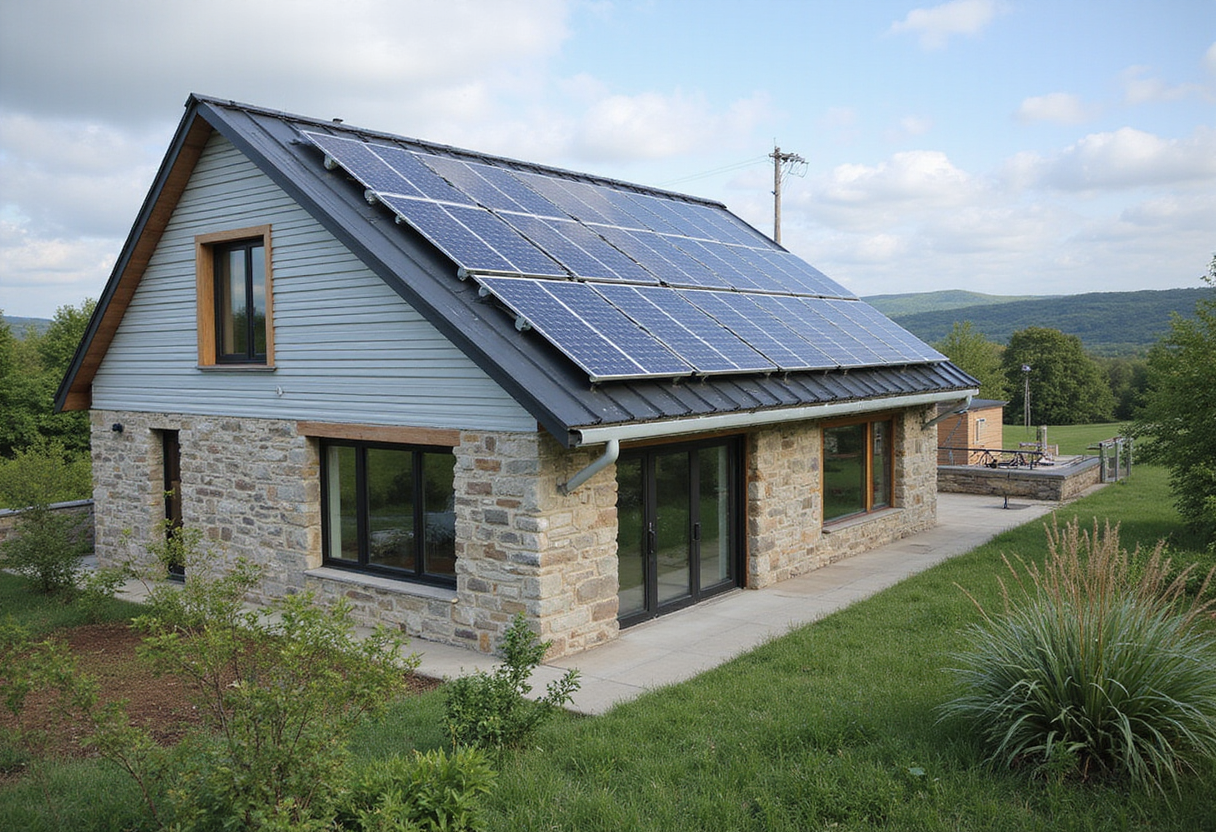
Bangladesh's apparel supply base now has a costed, investment-ready decarbonization template. At the "BMI Lessons Learned Workshop: Resource-Efficient and Climate-Resilient Apparel and Textile Production," Solidaridad Network Asia presented results from its Better Mill Initiative (BMI): 214 efficiency opportunities requiring roughly $6.5 million in investment, generating $4.59 million in annual savings and paying back in 17 months.
The roadmap targets a 51% reduction in greenhouse gas emissions by 2030, in line with the Paris Agreement. Baseline assessments identified untapped potential of 43% in energy savings, 34% in water reduction, and 50% in emissions reduction. Early-stage implementations have already delivered measurable improvements, according to the program.
For sourcing teams, the relevance is direct. BMI's model packages efficiency upgrades with return-on-investment and emissions-reduction figures — the kind of data EU buyers increasingly demand under tightening market expectations. Selim Reza Hasan, Country Manager at Solidaridad, said the initiative rested on in-depth factory assessments and collaborative planning aligned with global climate goals, and produced a portfolio of business models ranging from short-term gains to long-term investments, each backed by clear ROI and emission-reduction outcomes.
He pointed to European engagement, particularly from Dutch stakeholders, as the driver behind demand for climate-smart, resource-efficient production. The initiative now aims to scale these models across supply chains linked to global brands.
Confirmed outputs and open questions
The program reports five deliverables: strengthened factory-level technical capacity, customized sustainability action plans, science-based decarbonization roadmaps, ZDHC-aligned chemical management practices, and GRI-based ESG reporting. The last two matter for compliance teams — ZDHC alignment addresses chemical management benchmarks already embedded in many buyer codes, while GRI-based reporting standardizes disclosure.
One manufacturer offered measured results rather than claims. Mahmud Rafey, ESG Coordinator at MBM Group, described the challenge of aligning sustainability reporting with divergent buyer requirements across EU and US markets. Through BMI, the company built structured ESG reporting frameworks and dashboards that translate sustainability data into globally comparable formats. MBM Group reported normalized reductions of over 30% in emissions and water use while the business expanded.
The SME gap
The workshop surfaced a structural constraint: small and medium enterprises, which form the backbone of Bangladesh's textile industry, face limits in financing, technical capacity, and compliance management. Minhaz Hoque, Director of BKMEA and Director of Fatullah Group, called for stronger support from global brands, streamlined reporting systems, and coordinated stakeholder efforts to reduce audit duplication.
Hoque framed the shift in commercial terms. The industry, he said, has moved from measuring success by production volume to evaluating how sustainably products are manufactured. Technologies such as energy-efficient boilers, rooftop solar, and advanced effluent recycling are proving that sustainability and profitability can coexist, he argued — though the financing question for SMEs remains unresolved.
Attendees included Mohammed Sohel, Director of BGMEA, as Special Guest, alongside BKMEA representatives, Kamran Sadique, Director of MBM Group, other leading manufacturers, and international stakeholders. Solidaridad also introduced practical tools under the program: chemical management modules, gender-inclusive assessment frameworks, and factory-level self-assessment systems intended to institutionalize sustainability practices.
What it means for sourcing
Speakers stressed that sustainability must move beyond pilots and into factory operations, with collaboration among brands, manufacturers, policymakers, and international partners critical to scaling impact — particularly for SMEs. The three pillars emphasized were decarbonization, chemical management, and ESG transparency, all supported by science-based targets and international standards.
For brands sourcing from Bangladesh, BMI offers a working model of what verified, ROI-backed sustainability data looks like at factory level. For factory owners, the 17-month payback figure makes the efficiency case in cash terms. With EU pressure mounting and Dutch partners deepening engagement, Bangladesh's RMG sector appears positioned to align with future sourcing requirements — provided the financing and capacity gaps among smaller suppliers close.
via textiletoday.com.bd (Original)
More from Tom Whitfield
Show full bio
Market editor covering marketplaces and e-commerce at The Fabric Brief.
74 articles
Also on the board
- Bangladesh Apparel Sector Eyes FY2026-27 Budget With Concrete Asks
- Industrial Upgrading the Next Test for Bangladesh Supply Chains
- Textile Today urges innovation ecosystem build-out for Bangladesh apparel
- Bangladesh Garment Sector Faces Question Over Shock Readiness
- MAS Holdings Builds Bangladesh Talent Pipeline via University Deals