Swatch card No. SW-8887 · cut November 17, 2026
Brands & Retail BusinessMill spec card
Duer Grows 40 Percent on Owned Factory and 80% Fitting-Room Conversion
Duer targets 40 percent growth this year, profitable since year three, on an owned overseas factory, 14 stores and founder-reported 80 percent fitting-room conversion.
- Fiber
- Brands & Retail Business
- Count
- 3 min read
- Cut
- Weight
- 619 words
Spec notes
- Duer is on track to grow 40 percent this year after recent 20-30 percent growth; profitable since year three.
- Fitting-room conversion is 80 percent and repeat customer rate is 55 percent this year, per founder Gary Lenett.
- Duer operates 14 direct stores with a handful more planned within 12 months; wholesale partners include Nordstrom and REI.
- The brand owns an overseas manufacturing plant rather than outsourcing, which Lenett calls a 'game changer'.
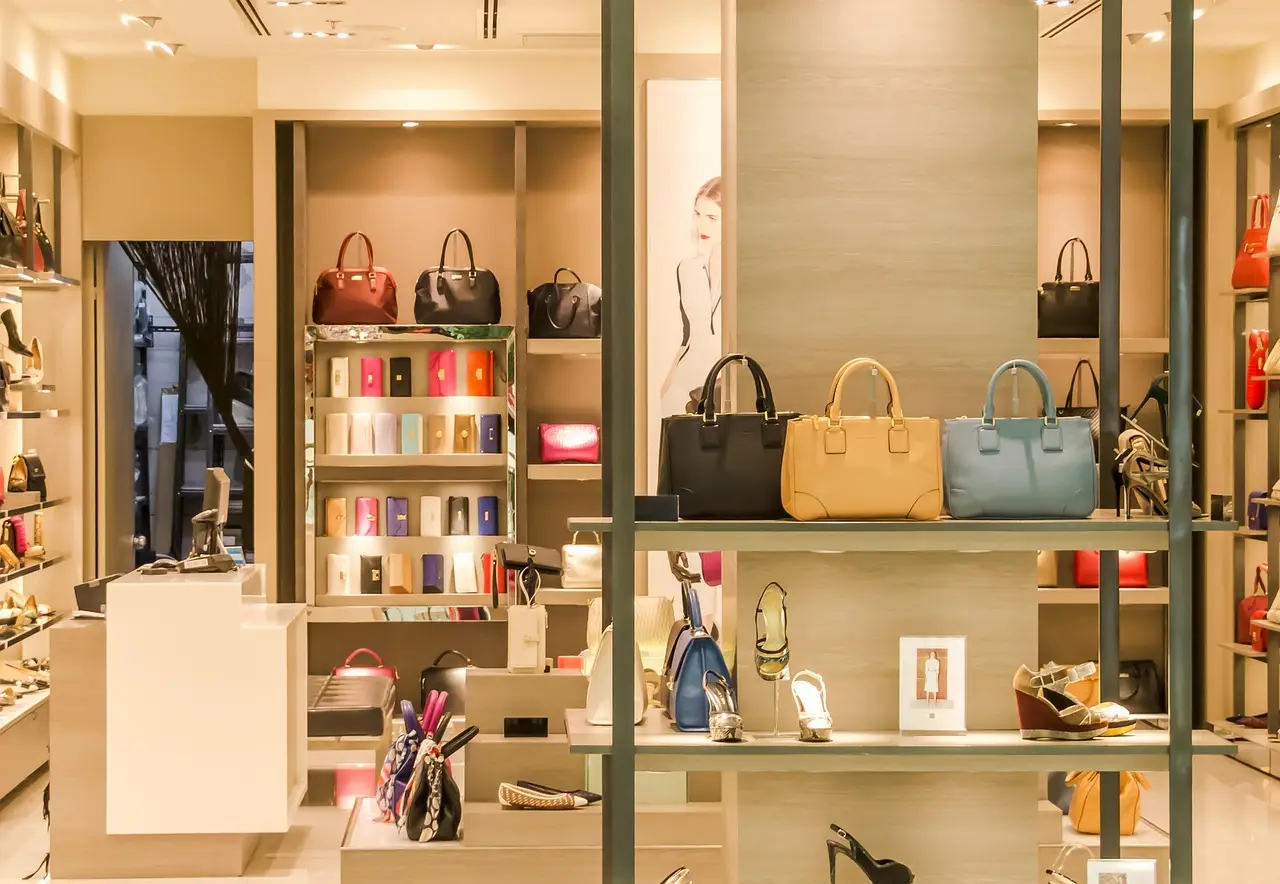
Duer is on track to grow 40 percent this year, up from a 20 to 30 percent growth rate recently, according to founder and CEO Gary Lenett. The Vancouver-based functional apparel brand has been profitable since its third year.
Lenett shared the figures with Rob Gorin, executive director and practice co-leader of the Turnaround and Restructuring Practice at Hilco Global Professional Services, on an episode of WWD Voices for Retail RX. The numbers are founder-reported. No audited financials were disclosed.
Who is behind the brand?
Lenett is not a typical startup founder. He ran a Canada-based denim manufacturer until the 2000s, when he closed it alongside peers as Chinese competition intensified under loosened trade restrictions. He then worked in global sourcing for Levi's. That experience soured him.
"With the advent of fast fashion, it became a little bit of a race to the bottom in terms of pricing, and I just lost my passion for it. I was going to get out of the business," Lenett said.
The brand emerged from a personal problem. After giving up his car in Vancouver, Lenett could not find clothing that worked for both cycling and meetings.
What is the product strategy?
Duer makes what it calls functional fashion: garments with hidden performance features such as zippers and gussets (fabric panels added for movement). The target audience is "modern outsiders" — people moving between biking, golf, work and dinner without changing clothes.
The material mix departs from activewear convention. Instead of synthetic-heavy compositions, Duer favors cotton and wood-based Tencel, with smaller portions of polyester Coolmax for durability. The category competes with athleisure on use case but not on design language.
"I want to wear stuff that just allows me to move freely and what I'll call effortlessly throughout the day, and not have to worry about my clothing," Lenett said.
Why does owned manufacturing matter?
Lenett has made two operational choices that cut against standard 21st-century fashion practice. First, Duer owns an overseas manufacturing plant, which lets it scale production alongside brand growth — a capital-intensive model most peers abandoned long ago. Lenett called owned manufacturing a "game changer" in the episode, though he did not detail plant capacity, location or labor compliance certifications.
Second, the brand has run an omnichannel model from day one, spanning direct-to-consumer and wholesale. Wholesale partners include Nordstrom and REI. The direct store fleet has reached 14 doors, with a handful more planned within 12 months. Specific markets for the new stores were not named.
Do the numbers hold up?
Two internal metrics support the channel strategy, per Lenett. Once shoppers reach the fitting room, conversion runs at 80 percent. Repeat customer rate this year stands at 55 percent. Both figures are company-reported; no methodology or comparison baseline was provided.
A fitting-room conversion of 80 percent is high by apparel retail standards, which makes traffic-to-fitting-room drop-off the more revealing metric — and it went undisclosed. The 55 percent repeat rate also lacks definition: annual, lifetime and cohort measures produce very different pictures of loyalty.
What comes next?
Lenett credits product differentiation over marketing for the growth. "You can wrap it in a nice box and put a bow on it with your marketing, but unless the product is really special, I think it's almost impossible to build a brand these days," he said, citing word of mouth as essential.
What began as a possible "retirement gig" is now a fast-growing company entering its second decade. The pace of new store openings and the capacity of the owned plant will determine whether the 40 percent trajectory survives contact with physical retail expansion.
via fairchild.storied.co (Original)
More from Priya Raman
Show full bio
Correspondent covering people, launches and day-to-day practice in fashion industry as a trade and business at The Fabric Brief.
338 articles
Also on the board
- G-III's Goldfarb Maps the Path From One Jacket to a $3 Billion Group
- Thimblerr raises $1.4M from IPV for Bengaluru supply platform
- American Giant Opens Third Store, First Door to Carry Third-Party Brands
- Lululemon Taps Athleta's Maggie Gauger as President Amid Profit Slide
- Inflection Point Ventures Leads $1.4 mn Round in Thimblerr