Swatch card No. SW-5087 · cut November 17, 2026
Brands & Retail BusinessMill spec card
Luxury's Hand-Drawn Holiday Campaigns: Craft as Anti-AI Positioning
Rimowa spent 200 hours and 30-plus artists on handcrafted holiday worlds; Dior faced AI accusations. Luxury's craft campaigns are now a compliance-grade claim.
- Fiber
- Brands & Retail Business
- Count
- 3 min read
- Cut
- Weight
- 651 words
Spec notes
- Rimowa's holiday campaign used 30+ artists, ~200 hours of work and a week of filming across two stages.
- Prada launched its hand-drawn campaign before Halloween, led by animator John Pomeroy.
- Dior's Sylvain Chomet film drew AI accusations; Chomet confirmed automated interpolation in a 'very small part' of the process.
- Strathberry worked with stop-motion artist Alina Golovlova for the fifth time.
- Hermès commissioned animation from Studio Convergences as early as 2018.
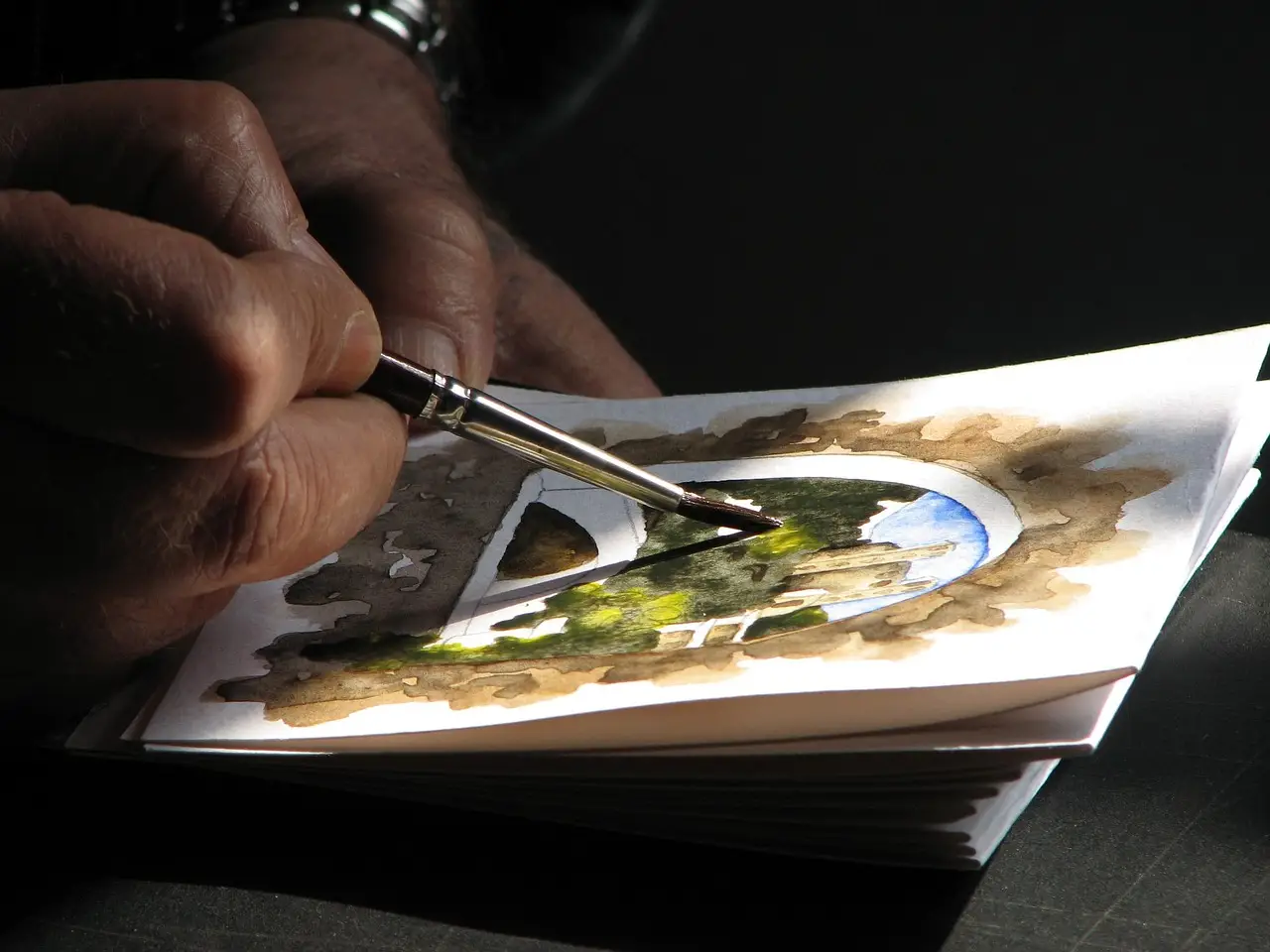
Rimowa deployed more than 30 artists and roughly 200 hours of work, plus a week of filming across two stages, to build handcrafted miniature worlds for its holiday campaign — a level of production investment luxury houses are now using to signal distance from generative AI.
Prada moved first, launching its holiday campaign before Halloween with a group of artists led by cinematic animator John Pomeroy, known for his work at Walt Disney Animation Studios and as co-founder of Sullivan Bluth Studios. Dior followed with a holiday film directed by Oscar-nominated animator Sylvain Chomet. Loewe released a collection in partnership with Tim Burton, interpreting The Nightmare Before Christmas and accompanied by a documentary on Burton's work. Strathberry, the Scottish handbag brand, tapped stop-motion artist Alina Golovlova for the fifth time and the second holiday campaign running.
The execution costs are measurable. Rimowa's campaign, its fifth consecutive year of artist collaborations, moved from 2D animation to full 3D worlds built from clay, paper, felt and wood. "From a technical point of view, it was quite challenging to go from a 2D animation to creating a full 3D world with puppets," CMO Mathieu Plenier said. For Prada, the length of the process was part of the strategy. "The idea was to celebrate and display a creative process that would in itself create a sense of wonder," a Prada spokesperson said, confirming the brand did not use AI in the campaign's creation and adding: "We are very comfortable being transparent about that process."
What happened to Dior's film?
Audiences scrutinized the Chomet-directed Dior film within days, flagging a sixth finger on a character's hand and glitches between frames as suspected AI artifacts. Chomet told Variety the film used no generative AI but did use automated interpolation in a "very small part" of the process. Dior did not respond to requests for comment.
The episode illustrates the verification burden handmade claims now carry. An anonymous creative director running the account Dank Art Director Memes accused the season's campaigns of "humanwashing" brand images after a year of layoffs and high-speed AI adoption. Illustrator Elisa Valenzuela pushed back: "I think it's a shame if the occasional use of AI is enough to call an entire artistic project into question." She noted traditional animation production time cannot be compressed to fit commercial schedules.
Is this strategy or substance?
Industry creatives split on motive. "It's a universally beloved, nostalgic approach to signaling 'we're human, we believe in human creativity' and to position the brand as anti-AI," said Michael Scanlon, chief creative officer at Chandelier Creative. Ariella Starkman, founder of Starkman & Associates, framed the campaigns as a response less to AI than to anxiety around it: "A very real fear of losing our jobs and feeling replaceable. Deeply spooky."
The commercial logic is explicit. The holiday season is among the most commercially significant periods of the year, and Starkman observed brands leading with feeling rather than product. Strathberry co-founder Leeanne Hundleby tied the choice directly to brand identity: "Making by hand is at the core of our brand, so partnering with artists and craftspeople is hugely important to us." Hermès, Valenzuela's first animation client in 2018, is cited as the model of sustained artist collaboration predating the AI debate.
Scanlon cautioned that animation alone is an easy, visible route — "you can see the strategy on the sleeve" — and argued the credibility of handmade marketing depends on internal practice: "It all has to come from a truth in their product, their organization, and how the brand approaches creativity." Starkman raised the longer-term risk: as AI becomes "terrifyingly good" at replicating human imperfection, brands will need to explain why human authorship matters. For now, expect production budgets for handcrafted holiday content to keep climbing, and claims of handwork to face continued forensic scrutiny from audiences.
via vogue.com (Source)
More from Elena Vasquez
Show full bio
News editor covering money, funding and market shifts around fashion industry as a trade and business at The Fabric Brief.
331 articles
Also on the board
- Prada's Hand-Drawn Holiday Campaign Hits 3.6 Million Views
- Rimowa and Maison Margiela Launch 3,200-Euro Hand-Painted Cabin Case
- Style3D Repurposes Fashion Simulation Tech for Robotics
- Pixel Moda Puts a Number on AI Content: 49% Cost Cuts, 15% Revenue Lift
- Bespoke Fashion Buys Nick Graham From Tharanco, Terms Undisclosed