Swatch card No. SW-4086 · cut October 10, 2026
Apparel ManufacturingMill spec card
Dearborn Denim shifts apparel production back to US in 'ethical' push
Dearborn Denim will move apparel production to the United States under an 'ethical' banner, per Fox Business. The cited report names the brand and direction but offers no factory, capacity, or timeline detail for sourcing buyers.
- Fiber
- Apparel Manufacturing
- Count
- 3 min read
- Cut
- Weight
- 580 words
Spec notes
- Dearborn Denim announced reshoring apparel manufacturing to the United States, per Fox Business.
- The cited report frames the move as "ethical" production but names no factory, capacity, or delivery date.
- US apparel cut-and-sew wages cluster in the $13-$19 hourly range versus $1-$3 in major Asian garment hubs.
- US denim sewing cycles can run 4 to 8 weeks versus the 12 to 16 week baseline of major Asian sourcing hubs.
- Domestic denim cut-and-sew capacity remains a small operator pool following decades of offshoring.
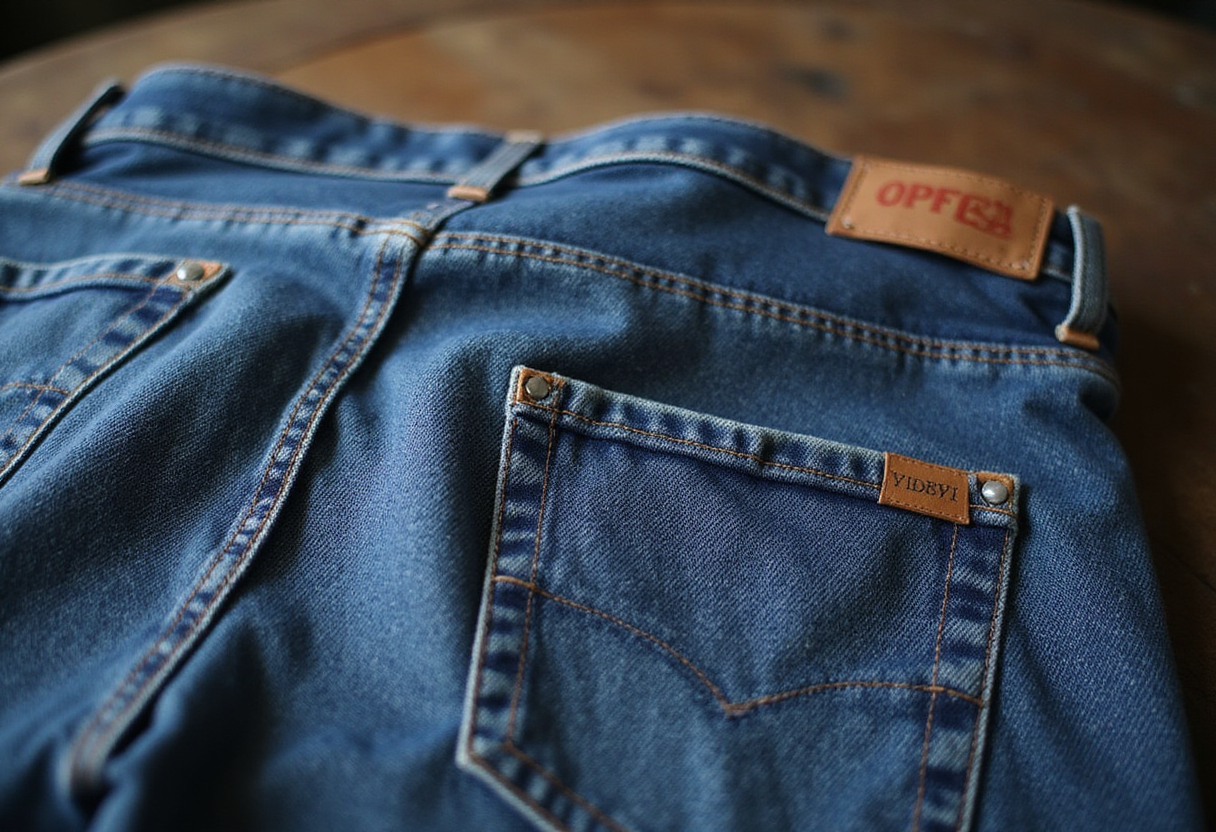
Dearborn Denim is moving apparel manufacturing back to the United States under an "ethical" production banner, according to Fox Business. The reshoring announcement places the brand with a small cohort of US denim labels rebuilding domestic sewing capacity, though the Fox Business report cited does not name factory partners, volume figures, or a launch date.
The headline "Dearborn Denim brings 'ethical' apparel manufacturing back to the USA" states the directional change in one line. The slim sourcing report provides no detail on cut-and-sew operators, fabric mill sources, or wholesale pricing implications. For trade readers, the announcement today reads as stated intent, not a contracted run.
What did the Fox Business report actually confirm?
The report confirms three things:
- The brand is Dearborn Denim
- The shift is toward US-based manufacturing
- The framing is "ethical"
The reporting does not specify:
- A production facility, lease, or construction plan
- Unit or annual volume
- A timeline for first US-sewn deliveries
- Wage, certification, or audit commitments
- Wholesale or direct-to-consumer pricing adjustments
Until those numbers appear, sourcing managers should treat the move as directional.
How does the "ethical" label square with US cost economics?
US cut-and-sew hourly apparel wages cluster in the $13 to $19 range, depending on state and overtime exposure. Comparable Asian garment hubs pay $1 to $3 per hour. On a basic five-pocket jean, that gap can push US unit cost 2.5 to 3.5 times higher than the lowest-cost offshore benchmark.
Brands absorbing that differential typically use one of three levers:
- Raise wholesale and retail prices
- Reduce wash, trim, or finishing complexity
- Build a "Made in USA" retail premium to fund domestic labor
Dearborn's forthcoming pricing will show which lever the brand is pulling.
Why does reshoring matter for cut-and-sew decision-makers?
Two forces have pulled US apparel production back into trade conversation since 2020: shorter lead times and tariff or trade-policy exposure. A domestic cut-and-sew line can compress a typical 12 to 16 week Asian production cycle to 4 to 8 weeks, improving agility on replenishment and reducing minimum-order commitments.
The trade-off is capacity. US denim sewing capacity is fragmented, with a small number of operators holding multi-line production. A new Dearborn partner would slot into that thin pool, not displace offshore volume at scale.
What unanswered questions should wholesale buyers raise?
Trade readers evaluating the announcement should press for:
- The cut-and-sew partner, with facility state and worker count
- Fabric origin — US Pima, Texas cotton, or imported selvedge
- Wash and finishing location, since US finishing capacity is even thinner than sewing
- Any wage or social audit certification (SA8000, Fair Wage, FWF)
- Wholesale price points versus prior imported production
- A direct line of communication to Dearborn leadership for capacity confirmation
A on-the-record quote from the brand on those points would convert the announcement from marketing claim to operational fact.
What happens next in the domestic denim capacity market?
If Dearborn locks in a named facility with disclosed unit volume, the brand becomes the newest entry in a small US-made denim roster that has held capacity through multiple apparel cycles. If no specifics surface within a quarter, the announcement looks like a positioning play ahead of a sourcing or product launch.
Either outcome gives sourcing directors a data point for their own reshoring conversations with US operators, even if Dearborn's specific capacity remains undisclosed in the public reporting.
via Google News: Apparel manufacturing (Source)
More from Priya Raman
Show full bio
Correspondent covering industry trends and analytics at The Fabric Brief.
159 articles