Swatch card No. SW-4673 · cut November 12, 2026
Brands & Retail BusinessMill spec card
Blundstone Nears 4 Million Pairs as Store Count Jumps 50 Percent
Blundstone is approaching 4 million pairs sold annually, up from 3 million two years ago, as it expands owned retail by 50 percent and stretches into spring/summer product.
- Fiber
- Brands & Retail Business
- Count
- 3 min read
- Cut
- Weight
- 662 words
Spec notes
- Blundstone annual sales approaching 4 million pairs, up from 3 million two years ago
- Mono-brand store network grows from six to nine stores this year — a 50 percent footprint increase
- New stores opening in Rome, Portland and Chicago; first mono-brand store opened in 2019
- Wholesale spans over 70 countries and more than 10,000 stores across six continents
- First spring/summer Aerocork collection launched in March; more styles and colorways due in 2027
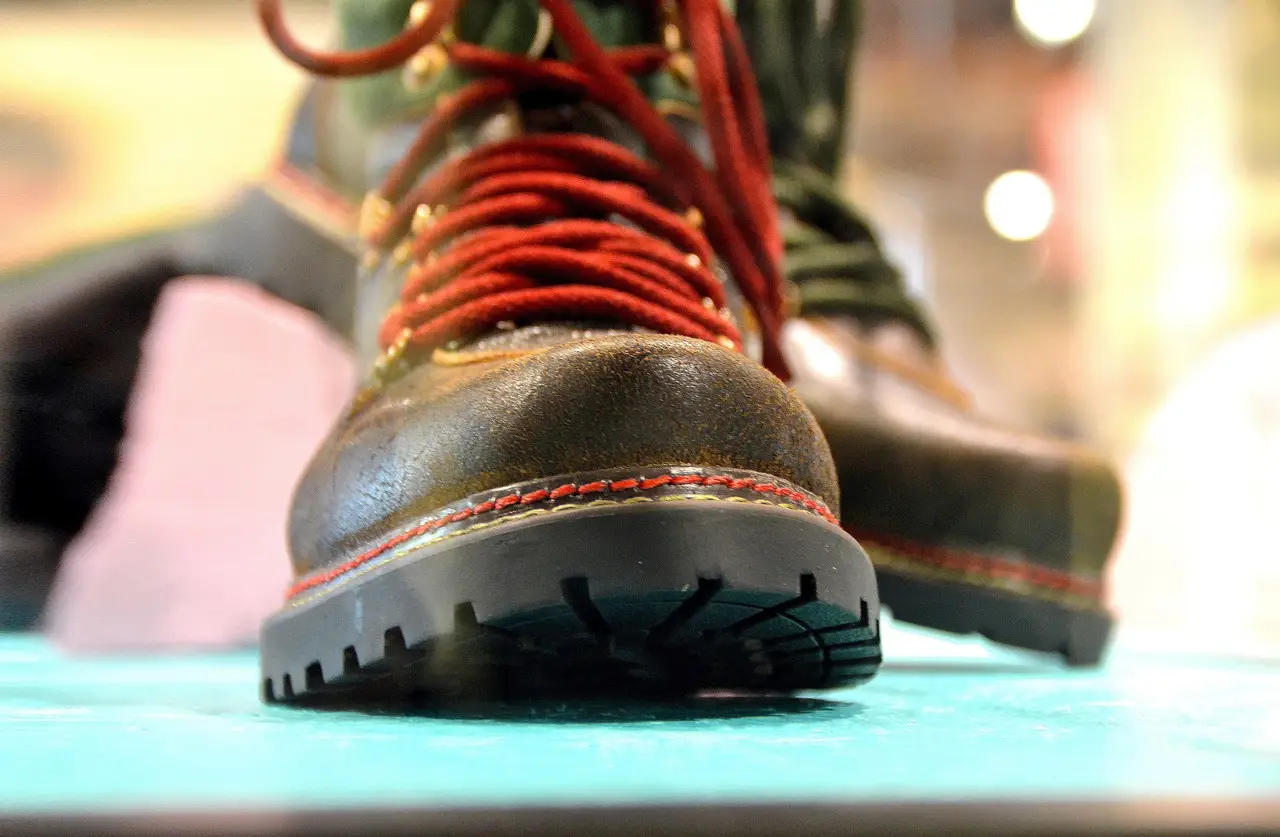
Blundstone is approaching annual sales of 4 million pairs, up from 3 million pairs just two years ago, according to chief growth officer Kris Hall. That is roughly a third more volume in twenty-four months for a company founded 156 years ago in Tasmania — growth the executive attributes almost entirely to organic demand rather than paid push.
"The best part about the brand is that it's a marketer's dream," Hall told FN in an interview. "We're very much a discoverable brand because we don't force it down your throat. We try to really integrate ourselves into the community in very natural ways by just being available and discovered by the people."
For a footwear business, that claim is worth interrogating. Blundstone is not spending its way to volume; it is converting an existing enthusiast base into incremental pairs. Hall describes the trajectory as "slow and steady" progress driven by community engagement.
What does the channel mix look like?
The brand is pushing further into owned retail. Since opening its first mono-brand store in 2019, Blundstone has kept investing in physical doors. Its mono-brand network will grow from six to nine stores this year, with openings in Rome, Italy; Portland, Ore.; and Chicago, Ill. — a 50 percent increase in the global store footprint.
Hall frames the move as product logic, not vanity retail. "The in-real-life experiential elements of physical retail allow us to call back to those different discoverability elements that resonate with our core consumer," he said. "And the fact that we're a leather-driven tactile experience, you can't really emulate that digitally."
Wholesale remains the volume engine. Blundstone sells across six continents, in more than 70 countries and through more than 10,000 stores worldwide.
"Wholesale is all about making sure we are making the right steps," Hall said. "And as we make those steps, we're paying close attention to the nuances and volatility and the bits and pieces that come with that."
Nine owned doors against 10,000 wholesale accounts makes the direct business a rounding error in unit terms. The stores are brand infrastructure, and the margin story sits elsewhere.
What is new on the product side?
March brought the brand's first-ever spring/summer collection, anchored by the Aerocork Series built for warmer weather. The line uses a streamlined wedge-style midsole and includes a clog, a sandal and a lightweight version of the signature boot. Additional Aerocork styles and a wider range of colorways are expected in 2027.
For fall, the new Terrain Series applies a technical update to the signature Gecko sole, swapping in an Avalon Gecko thermoplastic polyurethane (TPU) outsole designed for advanced traction and lighter wear.
"The Terrain Series is an evolution of some of our core technologies," Hall said. "While it's not too far away from the original model, it's different enough that hopefully consumers are engaged and excited about the newness."
The pattern is deliberate: seasonality extension first, material innovation second, brand codes untouched.
Where does the money go?
Hall said Blundstone is "sticking to its roots" and backing that with capital. "There's investment from both from a fiscal, but also from a human resource aspect of things, that we need to line up to make sure we are not abdicating what we believe is our responsibility to keep things really true to our roots," he said.
He added: "But the seeds are planted. It's now about making some real core decisions about what we want to look like as a brand into the future."
That phrasing suggests a strategic review in progress, not a finished plan. For sourcing and retail partners, the near-term facts are firm: three new stores this year, a warm-weather platform rolling out through 2027, and a TPU sole update in market for fall. Whether the owned-retail share grows beyond single-digit doors is the decision to watch.
via WWD (Source)
More from Tom Whitfield
Show full bio
Market editor covering regulation, policy and their impact on fashion industry as a trade and business at The Fabric Brief.
326 articles
Also on the board
- Philipp Plein Bankrolls Expansion as Footwear Nears €100M
- Archive Scales Branded Footwear Resale to 12 Brands as Returns Mount
- Coach Footwear Revenue Up 20 Percent as Tapestry Raises Outlook
- Promotions Split Footwear Brands in September, BTIG Finds
- Inspired Capital Closes $450M Fund, Doubling Down on Creator Commerce