Swatch card No. SW-3266 · cut November 5, 2026
Brands & Retail BusinessMill spec card
Coach Footwear Revenue Up 20 Percent as Tapestry Raises Outlook
Coach footwear revenue grew more than 20 percent in Q1 fiscal 2027, feeding UPTs, European wholesale and a raised $8.5bn-$8.6bn Tapestry outlook.
- Fiber
- Brands & Retail Business
- Count
- 3 min read
- Cut
- Weight
- 590 words
Spec notes
- Coach footwear revenue grew more than 20 percent in Q1 fiscal 2027, contributing about 6 percent of brand growth
- Tapestry Q1 net income rose 30.9 percent to $360 million; revenue up 12 percent to $1.9 billion
- Full-year revenue guidance raised $100 million to $8.5–8.6 billion
- Coach sales up 16 percent to $1.7 billion; Kate Spade down 10 percent to $233 million
- Wholesale sales jumped 30 percent, skewing international
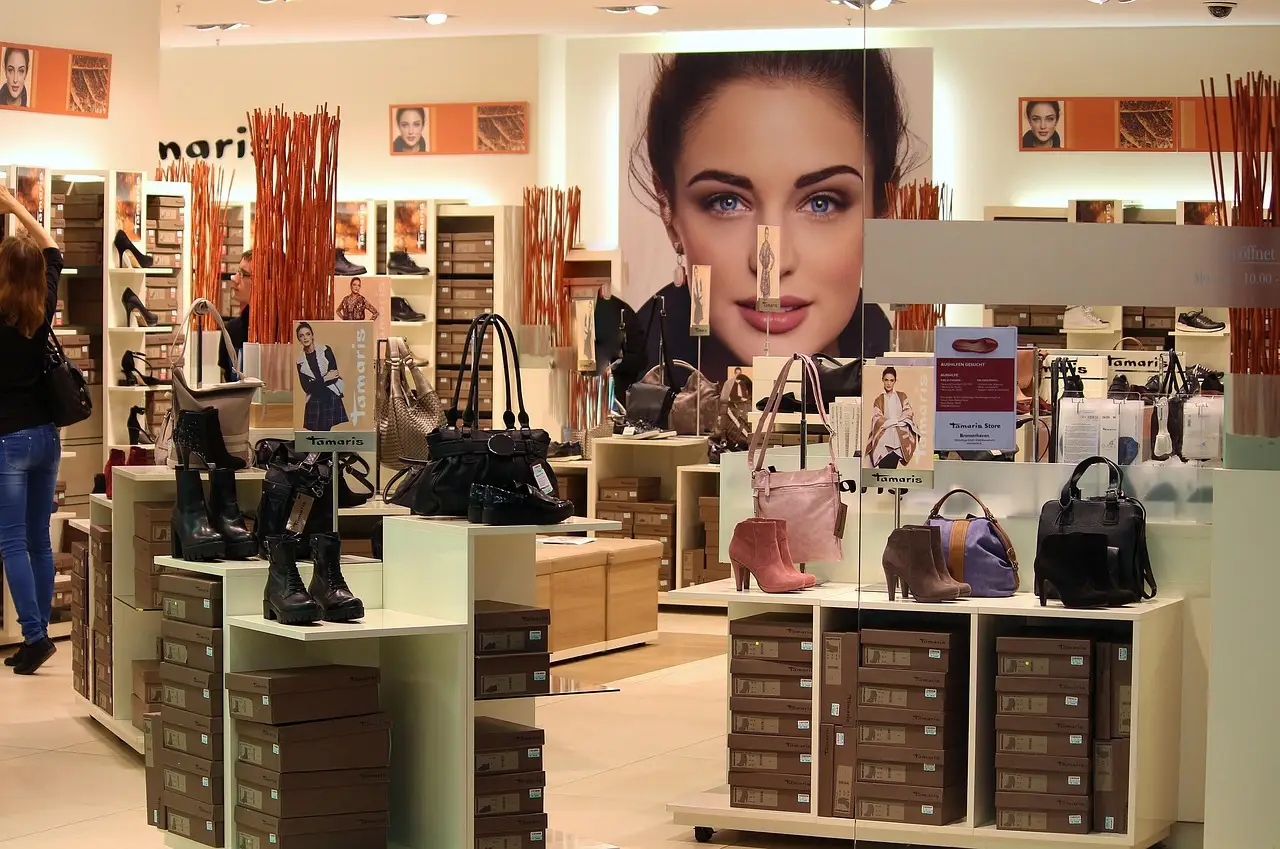
Coach grew footwear revenue by more than 20 percent in the first quarter of fiscal 2027, and Tapestry raised its full-year revenue forecast by $100 million on the back of a quarter that beat expectations on both lines.
On Thursday's earnings call, Tapestry chief executive officer Joanne Crevoiserat called footwear a "significant growth opportunity" for Coach, crediting the Margot family of shoes and the "continued success of sneakers" for much of the category's gains.
Coach brand president and CEO Todd Kahn put a number on the contribution: footwear accounted for roughly 6 percent of Coach's overall growth in the quarter. His verdict on how far the category has come: "I mean, we're still walking. We haven't run yet. There is so much opportunity."
What does footwear change for Coach's channel strategy?
Kahn framed footwear as both a basket-builder and a market-entry tool. "What we like about footwear is the additional UPTs [units per transaction] at any of our direct businesses," he said. "But in addition, it's a great beachhead for wholesale accounts in markets that maybe we were underpenetrated, like Europe."
The category is doing three concrete jobs for the brand:
- Lifting units per transaction across direct-to-consumer channels
- Opening wholesale doors in underpenetrated markets, notably Europe, profitably
- Extending the customer base across all genders
Footwear is also feeding the leather goods pipeline. Kahn highlighted the Soho sneaker, launched at one price across all channels under the brand's "One Coach" strategy — the program that erodes the traditional wall between full-price and outlet by selling collection merchandise at full price in outlet stores.
"We launched our Soho sneaker at one price across all channels, and that's resonating," Kahn said. "It's a great acquisition vehicle for our young men. Their first purchase at Coach is often a Soho and then eventually, we get them into leather goods."
He called the Margot collection an "outstanding" shoe in the women's business, echoing Crevoiserat's earlier call-out.
The numbers behind the narrative
The footwear story sits inside a broader beat. Tapestry's first-quarter net income rose 30.9 percent to $360 million, or $1.76 per diluted share. Adjusted earnings of $1.82 per share cleared the analyst consensus of $1.56 by a comfortable margin.
Revenue climbed 12 percent to $1.9 billion, excluding Stuart Weitzman, which Tapestry spun off to Caleres last year. Analysts had forecast $1.85 billion. Direct-to-consumer sales rose 9 percent, while the internationally weighted wholesale business jumped 30 percent — a figure that squares with Kahn's European beachhead argument.
The brand split tells the sharper story. Coach sales rose 16 percent to $1.7 billion. Kate Spade, deliberately retrenching to rebuild from a stronger base, fell 10 percent to $233 million. Tapestry is, in effect, running one engine hot while it services the other.
Raised guidance, with room left
Management nudged its full-year outlook upward. Tapestry now expects revenue growth of 6 to 7 percent, reaching $8.5 billion to $8.6 billion — a $100 million increase over the initial forecast range.
The gap between a 20 percent footwear growth rate and a 6 percent footwear share of overall growth is the detail sourcing and wholesale teams should watch: the category is still small relative to leather goods, but it is compounding fast, buying frequency and new accounts on the way. If Kahn is right that the brand is still walking, the run rate has yet to arrive.
via WWD (Source)
More from Tom Whitfield
Show full bio
Market editor covering regulation, policy and their impact on fashion industry as a trade and business at The Fabric Brief.
291 articles
Also on the board
- Philipp Plein Bankrolls Expansion as Footwear Nears €100M
- Running Footwear Dollar Sales Rose 10% in Q3, Circana Says
- Brooks Running Reports 12% Revenue Growth Through September 2026
- Sanuk Plots 2027 Sneaker Launch After 58% Revenue Jump
- Nike Extends Melitta Baumeister Deal From Sneakers to Full Apparel Line