Swatch card No. SW-6955 · cut November 18, 2026
Supply Chain & SourcingMill spec card
Bangladesh wage survey to cover 3,000 factories from next month
BBS and the ILO will survey nearly 3,000 establishments across RMG, textiles, leather, pharma and hotels from next month, with preliminary wage-gap findings due in February.
- Fiber
- Supply Chain & Sourcing
- Count
- 3 min read
- Cut
- Weight
- 538 words
Spec notes
- BBS and the ILO will start collecting data next month across nearly 3,000 private establishments.
- Five sectors covered: RMG, textiles, leather, pharmaceuticals and short-term accommodation.
- Preliminary findings expected in February next year.
- Survey measures wage levels, gender pay gaps, increments and permanent-to-temporary ratios.
- Data coded to Bangladesh Standard Classifications of Occupations and Industries 2020 for international comparability.
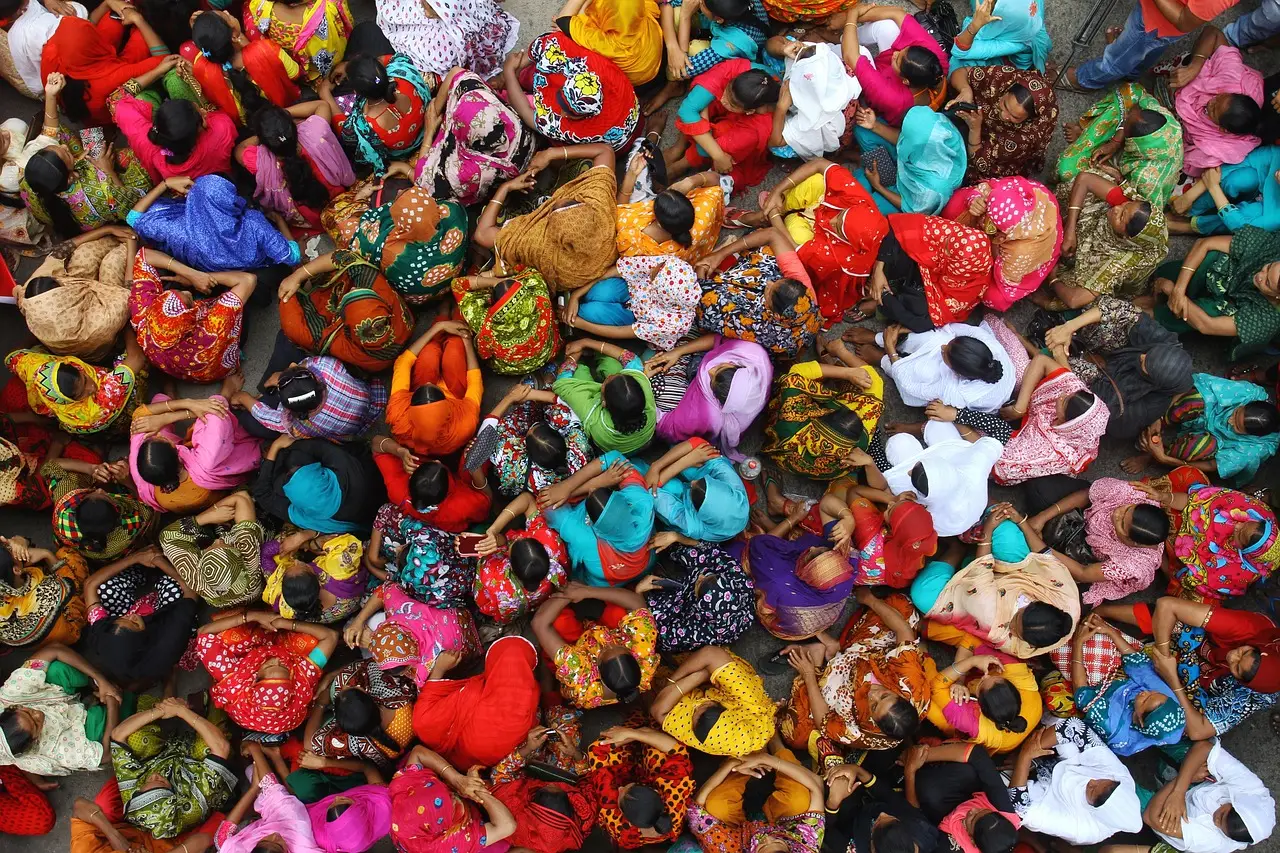
Bangladesh's statistics office will begin collecting wage data next month across nearly 3,000 private establishments in five industries, with readymade garments at the centre of the exercise. The Bangladesh Bureau of Statistics (BBS) is running the survey with the International Labour Organization (ILO), and preliminary findings are due in February next year.
For sourcing teams, the timing matters. The survey lands amid recurring disputes over the RMG minimum wage, and its findings — the first official, sector-wide picture in years — will inform whatever comes next in that debate. Buyers who audit against living-wage commitments will want to watch the February release.
The scope runs well beyond a simple pay roll-up. According to BBS, the survey will assess:
- wage levels and pay increments across the five sectors;
- the gender wage gap;
- employment patterns, including the proportion of permanent versus temporary workers, broken down by gender;
- educational qualifications required for different occupations.
It will also collect information on salary structures, wage payment practices, working hours, allowances, employee benefits, ownership status, research and development activity, and training facilities — a level of operational detail that goes past pay slips into factory-level workforce structure.
Which industries are covered?
Beyond RMG, the survey covers textile manufacturing, leather and related products, pharmaceutical manufacturing, and short-term accommodation including hotels. Together these are among Bangladesh's largest formal-sector employers. The RMG industry alone anchors the country's exports, which is precisely why wage data from this cohort carries commercial weight far beyond Dhaka.
The garment slice of the sample will be the one procurement departments read most closely. Gender wage gap figures and the permanent-to-temporary worker ratio speak directly to compliance programmes and social audit protocols that European and North American brands already run.
What standards sit behind the numbers?
BBS will use the Bangladesh Standard Classification of Occupations 2020 and the Bangladesh Standard Industrial Classification 2020 to code the results, which the bureau says ensures consistency with international standards. That matters for comparability: figures built on internationally aligned classifications can be benchmarked against ILO data from other sourcing countries rather than sitting in a national silo.
The bureau framed the purpose plainly. It said the initiative aims to address existing gaps in labour market data and to provide updated information on wages and employment across key industries. The gap is real — wage negotiations in the garment sector have repeatedly run on dated or contested figures, and both unions and manufacturers have accused each other of arithmetic convenience.
What does this change for sourcing decisions?
In the short term, nothing; no factory pays a new rate because a survey has launched. The February preliminary findings are the event to diarise. If they show a wide gender pay gap or a heavy reliance on temporary labour in RMG, brands with human-rights due-diligence obligations under, for instance, European legislation will face sharper questions from regulators and campaigners alike. Factory-level negotiators on the next minimum wage review will hold a common dataset for the first time in years.
For now, the survey is an intention with a schedule attached. The test comes when the numbers arrive — and when both sides of the wage argument try to claim them.
via textiletoday.com.bd (Source)
More from Tom Whitfield
Show full bio
Market editor covering regulation, policy and their impact on fashion industry as a trade and business at The Fabric Brief.
367 articles
Also on the board
- Hundreds of Bangladesh Garment Factories Shut as Wage Protests Enter Fourth Day
- Bangladesh Wage Board Commits to Garment Pay Rise by January
- Bangladesh Wage Protests Idle 600 Factories, Cost $68M in Shipments
- Bangladesh RMG Board Proposes Tk 32,000 Monthly Minimum Wage
- Bangladesh Apparel Sector Eyes FY2026-27 Budget With Concrete Asks