Swatch card No. SW-1668 · cut November 7, 2026
Brands & Retail BusinessMill spec card
Bangladesh Garment Unrest: 600 Factories Declared Closed
Some 600 Bangladesh garment factories are closed amid wage protests and arson, as opposition chief Shafiqur Rahman alleges a conspiracy against the sector before winter.
- Fiber
- Brands & Retail Business
- Count
- 3 min read
- Cut
- Weight
- 591 words
Spec notes
- Around 600 garment factories have been declared closed amid worker protests.
- Shafiqur Rahman posted the allegation on his verified Facebook page at about 11:00am.
- Workers are protesting and blockading to demand higher wages.
- Vandalism and arson have hit industrial establishments in multiple areas.
- Shafiqur said a conspiracy against the sector ahead of the winter season could not be ruled out.
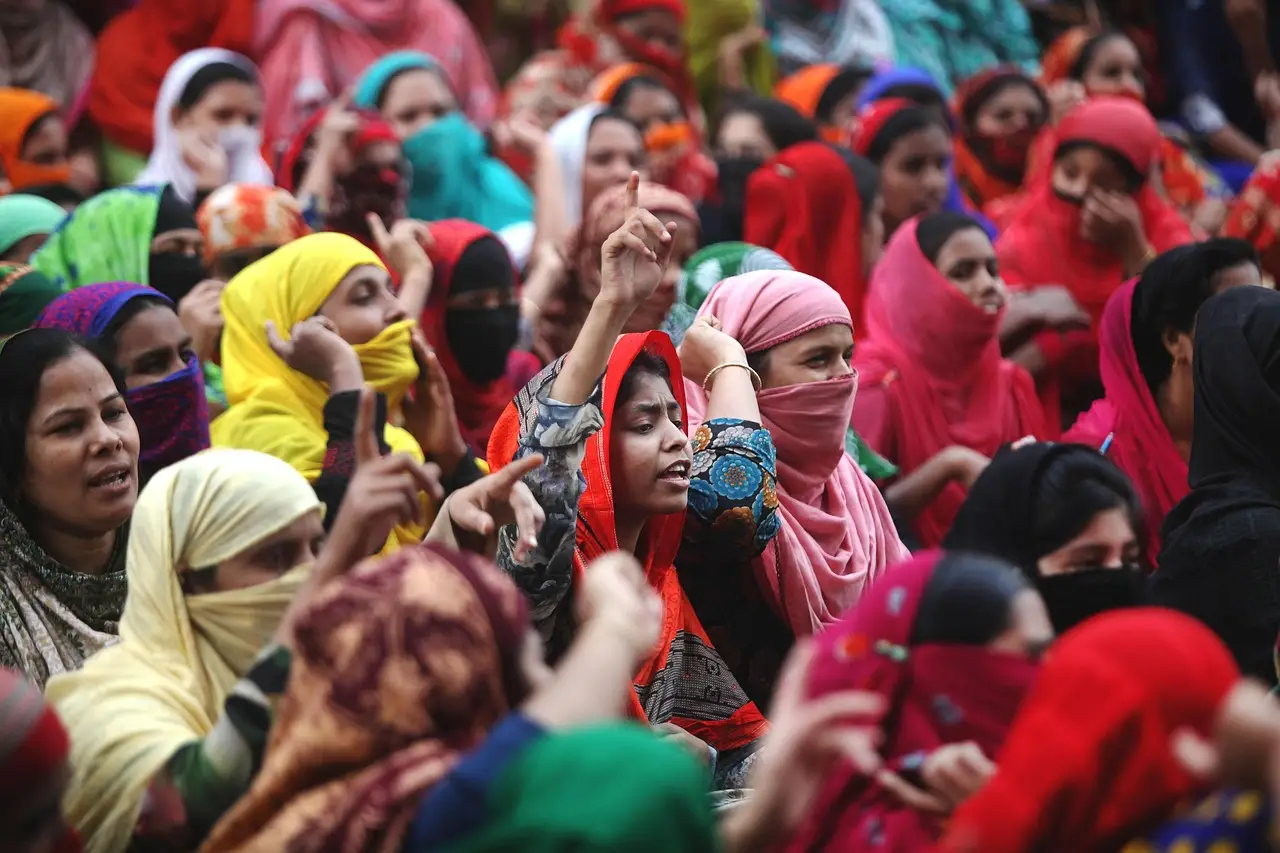
Around 600 garment factories in Bangladesh have been declared closed as worker protests and blockades demanding higher wages disrupt production across industrial areas, according to Opposition Leader and Jamaat-e-Islami chief Shafiqur Rahman.
In a post on his verified Facebook page at approximately 11:00am, Shafiqur alleged that what he described as conspirators and opportunists were attempting to destroy the garment industry by fuelling the unrest, and he called on the government to respond.
"Conspirators and opportunists appear to be trying to destroy the garment industry by fuelling the situation. The government must take a firm stance on this," Shafiqur wrote.
The statement landed in the middle of sustained protests and blockades by garment workers demanding higher wages. For international buyers sourcing from Bangladesh, the closures represent an immediate capacity and lead-time risk concentrated in the country's dominant export sector.
What is happening on the ground?
Shafiqur said unrest in the garment sector was continuing, with incidents of vandalism and arson reported at industrial establishments in different areas. He framed the damage as self-defeating for both sides of the industry.
"Neither owners nor workers can establish their rights by destroying industrial establishments. We believe no worker would be involved in such acts," he said.
His assertion that no genuine worker would participate in vandalism and arson separates the wage protests from the property damage — an implicit argument that the destruction is being orchestrated rather than organic. He offered no evidence for the claim, and no attribution of responsibility appeared in his post.
The scale of the disruption is material: roughly 600 factories declared closed means a substantial share of production capacity is offline at once. Bangladesh's garment industry supplies many of the world's largest apparel brands, and shutdowns at this scale translate directly into delayed shipments, renegotiated delivery windows and potential penalty exposure for vendors.
Why the timing raises concerns
Shafiqur pointed to the calendar. He said the possibility of a deep-rooted conspiracy to undermine the garment industry's prospects ahead of the winter season could not be ruled out.
The winter season reference carries commercial weight for sourcing teams: it is a critical window for order fulfilment in the global apparel cycle, and prolonged disruption in the weeks before peak production deadlines compounds both cost and schedule pressure on factories and their buyers alike.
He urged all stakeholders, including factory owners and workers, to remain sincere and vigilant — a call for de-escalation that stops short of naming specific measures.
What remains unconfirmed
The conspiracy allegation is a political claim, not an established finding. The source material contains no government response, no arrest figures, no independent assessment of who is behind the vandalism and arson, and no breakdown of which factory clusters or supplier tiers the 600 closures affect.
What is confirmed: workers are protesting and blockading over wages, industrial establishments have suffered vandalism and arson in multiple areas, and hundreds of factories have shut their gates. What is asserted but unverified: that a coordinated conspiracy is driving the destruction.
For sourcing and supply-chain professionals, the actionable facts are the closure count, the ongoing blockades and the pre-winter timing. The political framing — from a leading opposition figure whose party competes for influence as Bangladesh's politics remain volatile — adds a layer of uncertainty about how quickly the state will move to restore order.
Shafiqur's demand that the government take a firm stance signals that pressure for a decisive intervention will intensify if closures continue to mount in the coming days.
via Google News: Apparel & garment industry (Source)
More from Elena Vasquez
Show full bio
News editor covering money, funding and market shifts around fashion industry as a trade and business at The Fabric Brief.
284 articles