Swatch card No. SW-7217 · cut October 10, 2026
Apparel ManufacturingMill spec card
Bangladesh Factory Cooling Costs Recoverable Within Four Years, Study Finds
A study referenced by ET BrandEquity finds that cooling investments in Bangladesh's garment factories can pay back within four years. The headline reframes thermal upgrades as financeable capex, though full methodology remains unpublished.
- Fiber
- Apparel Manufacturing
- Count
- 3 min read
- Cut
- Weight
- 561 words
Spec notes
- Cooling investments in Bangladesh garment factories can be recovered within a four-year window per a study cited by ET BrandEquity
- The published summary does not disclose capital cost, energy savings, or specific cooling technologies tested
- The four-year figure, if confirmed, would shift cooling upgrades from compliance overhead to financeable capex
- Sourcing-relevant inputs including installed cost, kWh savings, worker productivity impact, and equipment lifespan remain unverified
- Full study methodology and underlying assumptions have not yet been released
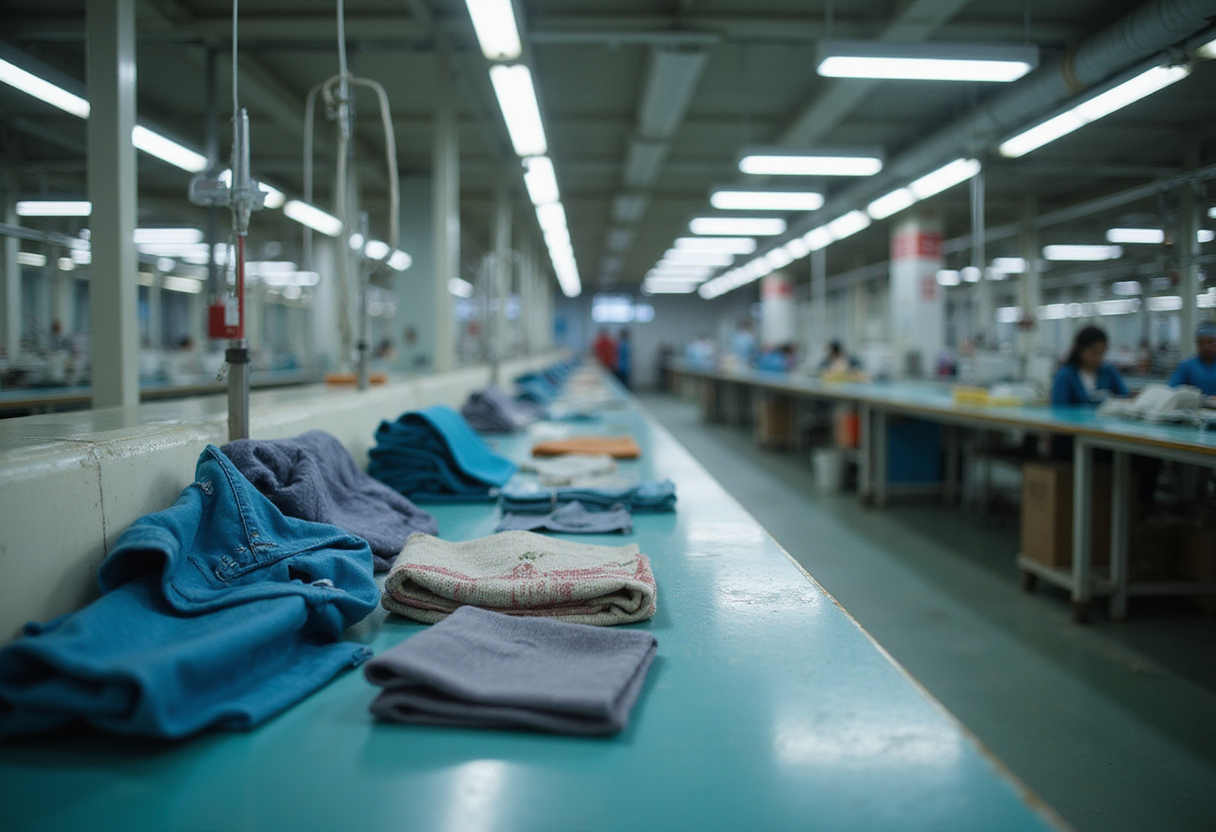
A study referenced by ET BrandEquity indicates that capital outlays required to cool Bangladesh's garment factories can be recovered within a four-year window. The headline figure reframes thermal management upgrades as a payback-driven investment rather than a compliance overhead, at a moment when heat exposure in the country's ready-made garment sector draws scrutiny from international buyers, auditors, and regulators.
What does the finding establish?
The published summary anchors on a single quantifiable claim: a four-year cost recovery horizon. The reporting does not disclose capital expenditure figures, kilowatt-hour savings, or the specific cooling technologies evaluated. That leaves the headline as an indicative marker rather than a fully auditable business case for sourcing teams weighing factory upgrades.
Why does cooling carry sourcing weight?
Heat exposure in apparel production has historically linked to elevated absenteeism, lower line efficiency, and audit findings tied to worker-welfare standards — observations drawn from broader industry research rather than the Bangladesh study itself. Buyers conducting social compliance reviews have routinely flagged temperature control as a recurring gap in factory assessments across multiple sourcing geographies.
A payback window measured in a small number of years reframes cooling upgrades as financeable capex. Factory owners can structure the spend against operational savings; brands sourcing from these units can treat thermal improvements as a productivity-linked line item rather than a reputational-only expense.
What variables drive the four-year figure?
The recovery timeline varies materially depending on inputs the public summary does not specify. Capital cost per factory hinges on building footprint, existing ventilation, and the technology selected — evaporative cooling, chilled-water systems, rooftop insulation, or hybrid approaches each carry different price tags. Energy savings depend on local electricity tariffs, baseline factory temperatures, and operating hours.
Financing terms also shape the math. A factory that funds upgrades entirely from cash realizes payback earlier than one servicing debt at commercial rates. Government incentives, donor-funded programmes, or buyer pre-financing arrangements could compress or lengthen recovery depending on cost of capital.
What should sourcing teams ask?
Before incorporating the four-year figure into planning models, sourcing and supply-chain professionals should verify the underlying study parameters. Key questions to put to Bangladesh factory partners:
- Total installed cost of the cooling upgrade
- Annual energy savings in kilowatt-hours and taka
- Worker productivity changes recorded after installation
- Equipment lifespan and maintenance costs
- Compliance uplift under buyer audit standards
Without these inputs, the payback period reads as directional guidance. With them, it becomes a procurement comparable across competing sourcing geographies.
What are the commercial implications?
If subsequent reporting releases the study's methodology and confirms the four-year recovery window, Bangladesh factory owners gain a stronger negotiating position with lenders and brand sourcing partners. Cooling upgrades could enter long-term sourcing agreements, with buyers contributing to capital costs in exchange for stable capacity allocation. Lenders active in green apparel finance may treat the projection as a credit-positive signal for the sector.
Forward look
The four-year payback remains the only verifiable data point in the public reporting so far. Whether the figure holds under scrutiny of the full study will determine its weight in sourcing and compliance planning for the next Bangladesh procurement season. Brand and factory teams should treat the headline as a discussion prompt, not a procurement benchmark, until capital cost and energy savings inputs appear.
via Google News: Apparel & garment industry (Source)
More from Rebecca Stone
Show full bio
Staff writer covering industry trends and analytics at The Fabric Brief.
142 articles
Also on the board
- Heat Resilience Gap Tests Apparel Supply Chains
- Business of Fashion Tackles Extreme Heat as Supply Chain Risk
- Climate Performance Moves From Cost Item to Competitive Edge in Apparel
- Bangladesh Garment Sector Faces Question Over Shock Readiness
- Solidaridad's BMI Program Delivers 17-Month Payback for Bangladesh Mills