Swatch card No. SW-2592 · cut November 16, 2026
Sustainability & ComplianceMill spec card
Bangladesh Commerce Minister Ties Export Competitiveness to Compliance Push
Commerce Minister Khandaker Abdul Muktadir says compliance must anchor trade strategy as Bangladesh uses its LDC transition window to 2029 to prepare factories for EU rules.
- Fiber
- Sustainability & Compliance
- Count
- 3 min read
- Cut
- Weight
- 640 words
Spec notes
- Textiles and apparel contribute more than 80% of Bangladesh's export earnings.
- Commerce Minister Khandaker Abdul Muktadir spoke in Dhaka on Sunday, November 15.
- Bangladesh has an extended LDC transition period until 2029.
- Projects are implemented via GIZ with BMZ funding; EPB is the implementing partner.
- Initiatives reviewed include the Bangladesh Boiler Code, ETP online monitoring and Digital Product Passport data systems.
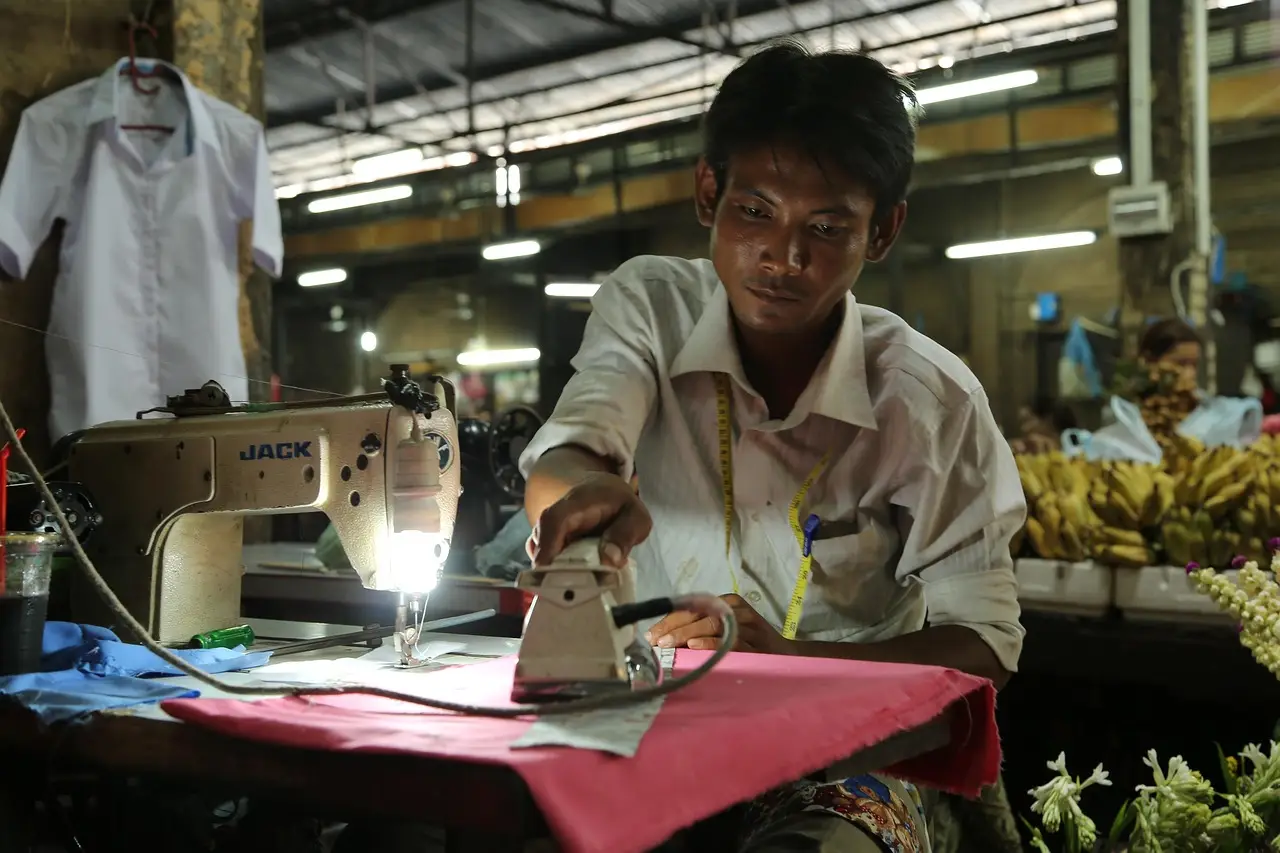
Bangladesh's Commerce Minister Khandaker Abdul Muktadir has told the country's textile and apparel industry that stronger compliance practices are now a condition for retaining international competitiveness, in a sector that generates more than 80 percent of national export earnings.
Muktadir made the remarks on Sunday, November 15, at an event in Dhaka marking a project titled 'Skills for Self-Monitoring and Compliance with Clean and Fair Production in the Textile and Garment Industry.' The Ministry of Commerce and the SCAIP project organized the event jointly, with support from the 'Sustainability in the Textile and Leather Industry' project.
For sourcing managers, the message lands at a moment when buyer requirements are shifting faster than factory audit cycles. The minister said factories must prepare for changing international buyer expectations and emerging trade and environmental standards, with global buyers and regulators increasingly demanding safe working conditions, fair labor practices, responsible resource management and supply chain transparency.
What does the government commit to?
Muktadir outlined the state side of the bargain. He said the government is working to:
- establish policy priorities
- simplify procedures
- reduce logistics costs
- accelerate licensing, compliance and port-related approvals
He singled out new European Union policies and regulations as the decisive compliance frontier, and stressed that compliance must become an integral part of Bangladesh's trade strategy rather than a bolt-on cost.
"What we have achieved so far is only a foundation, not the final destination," the minister said. He urged factory owners, workers and other stakeholders to build on existing progress to develop a compliant and competitive textile sector.
How does LDC graduation shape the timeline?
The minister framed the compliance agenda against Bangladesh's transition from Least Developed Country status, saying the country should use the extended transition period until 2029 to retain existing international market benefits and prepare industries for emerging global standards. That window — roughly three export-planning cycles — sets the effective deadline for factories that have deferred investment in monitoring and environmental systems.
The sector's weight raises the stakes. Textiles and apparel account for more than 80 percent of Bangladesh's export earnings and employ millions of people, particularly women, making any compliance-driven cost or capacity shift a macroeconomic variable as well as a sourcing one.
Which systems are being built now?
Participants at the event reviewed a concrete pipeline of regulatory and digital infrastructure, including:
- the Bangladesh Boiler Code
- digital inspection systems
- online monitoring of Effluent Treatment Plants (ETPs)
- digital environmental clearance
- traceability strategies
- development of a digital data ecosystem to support Digital Product Passports (DPP)
The DPP work points directly at EU market access, where product-level traceability data will become a condition of sale rather than a differentiator.
Speakers at the discussion argued that stronger public-private partnerships are essential to building a safe, environmentally responsible and internationally compliant industrial sector. They pressed for accountability among stakeholders and positioned compliance as a driver of higher productivity and export competitiveness, not merely a certification expense.
Who is funding the program?
The projects run through German development agency GIZ, with funding from the German Federal Ministry for Economic Cooperation and Development (BMZ). The Ministry of Commerce is the sponsoring ministry of the SCAIP project, and the Export Promotion Bureau (EPB) serves as its implementing partner.
The program is also building the capacity of the RMG Sustainability Council (RSC) to strengthen monitoring of safety, labor and environmental standards across the textile sector — an institutional upgrade that will determine how far factory-level compliance claims can be independently verified.
All of these measures remain program commitments rather than completed reforms, and no new funding figures or factory participation numbers were disclosed at the event. How quickly digital inspection, ETP monitoring and DPP infrastructure move from pilot to mandatory will define the real cost curve for Bangladeshi suppliers before the 2029 deadline.
via textiletoday.com.bd (Source)
More from Elena Vasquez
Show full bio
News editor covering money, funding and market shifts around fashion industry as a trade and business at The Fabric Brief.
331 articles
Also on the board
- Textile Today urges innovation ecosystem build-out for Bangladesh apparel
- Bangladesh Leather Exports Up 12.47%, Betting $5 Billion on Clean Tanneries
- BGMEA ESG Dashboard Goes Mandatory as 326 Factories File Reports
- Bangladesh Apparel Sector Eyes FY2026-27 Budget With Concrete Asks
- Bangladesh Apparel Told to Scale AI and Tech Ahead of LDC Exit