Swatch card No. SW-4146 · cut October 30, 2026
Apparel ManufacturingMill spec card
Vietnam's Tran Hiep Thanh Eyes India as 80 Million-Metre Base Saturates
Tran Hiep Thanh, which weaves 80 million metres of MMF fabric a year for Adidas, Uniqlo and Decathlon, is assessing manufacturing in India as Vietnam saturates.
- Fiber
- Apparel Manufacturing
- Count
- 3 min read
- Cut
- Weight
- 684 words
Spec notes
- Tran Hiep Thanh runs annual MMF woven fabric capacity of about 80 million metres, with plans to reach 120 million metres.
- The company supplies Decathlon, Uniqlo, Adidas and Columbia Sportswear.
- Commercial Director Van Nguyen expects T2T recycling and circularity to grow in importance over the next five to 10 years as EPR requirements develop.
- India's FTA with the UK and upcoming EU FTA are cited as factors making the country more attractive as a sourcing base.
- The India move is at market-assessment stage; no investment, site or timeline has been disclosed.
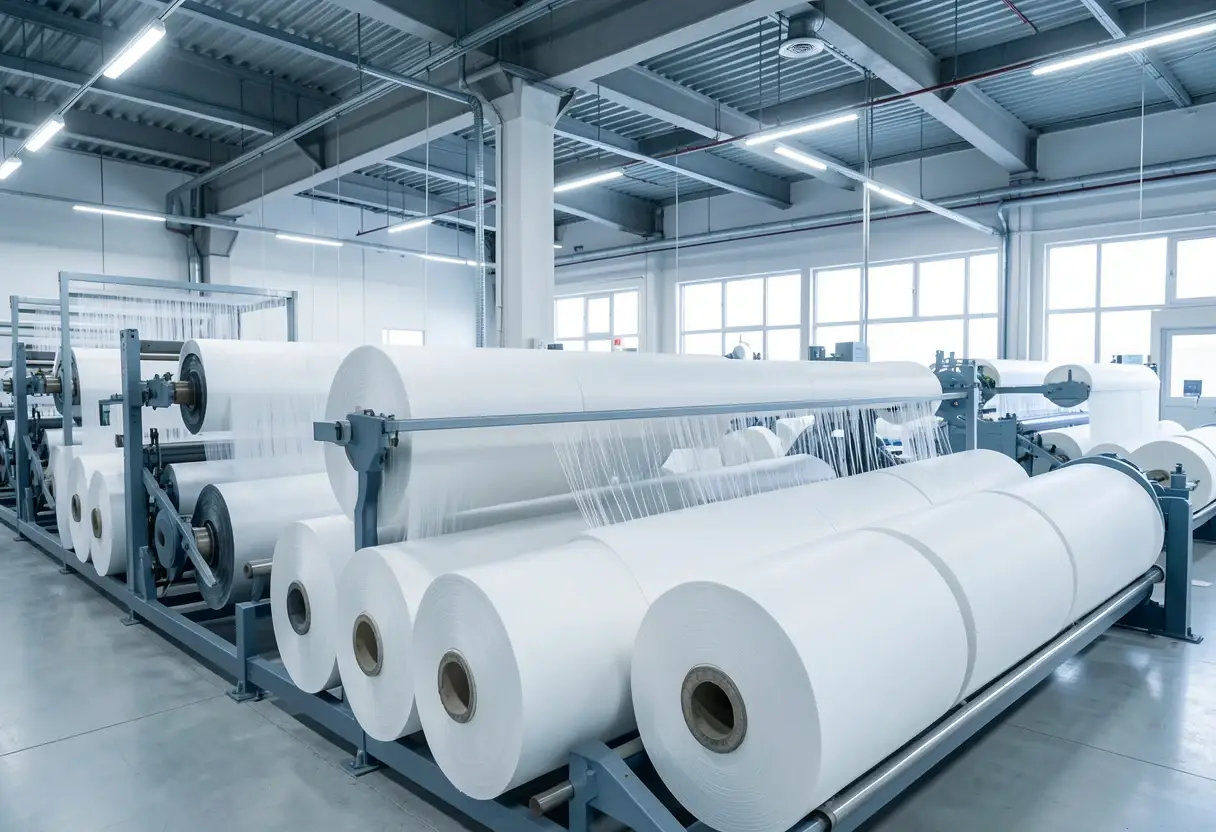
Tran Hiep Thanh Textile Corporation, one of Vietnam's leading manufacturers of man-made fibre (MMF) woven fabrics with an annual capacity of around 80 million metres, is assessing India as a potential manufacturing base as its home market approaches saturation in capacity and labour availability.
The company plans to expand capacity to 120 million metres, and Commercial Director Van Nguyen frames India as the market that could support the next phase of that growth. "India is an important market for us for several reasons," Nguyen told Apparel Resources, citing a large domestic market with fast-rising MMF demand in sportswear, activewear and outerwear, and the continued flow of MMF material imported from China.
"We see an opportunity to offer a competitive alternative in some areas," Nguyen said.
What is drawing the company to India?
Tran Hiep Thanh produces polyester, nylon, polyester-spandex and nylon-spandex fabrics for activewear, sportswear and outerwear, supplying brands including Decathlon, Uniqlo, Adidas and Columbia Sportswear. Several of those customers already manufacture in India while buying fabric from the company in Vietnam, creating an opening to supply fabric closer to their Indian production sites.
The company's interest rests on several stated pillars:
- Scale and growth potential in a market where Vietnam's manufacturing capacity and labour availability are tightening.
- An opportunity to substitute imports, given that a substantial share of India's MMF material still comes from China.
- India's recent free trade agreement with the UK and its upcoming FTA with the EU, which Nguyen said make the country more attractive as a sourcing and manufacturing base.
- Technical know-how transfer across MMF weaving, dyeing and finishing — areas where India's ecosystem remains thin relative to its ambitions in sportswear.
The company has confirmed market assessment only. No investment amount, site, timeline or capacity commitment for India has been disclosed, and the move remains an exploration of manufacturing possibilities rather than a signed deal.
How does sustainability shape the agenda?
Nguyen described sustainability as a licence to operate rather than a differentiator. "We no longer see it as a competitive advantage, but as a standard part of how we operate," she said.
Renewable energy, water treatment and recycling, biomass and a move away from coal are becoming standard practice among manufacturers, she noted. The company has worked with bottle-to-textile (B2T) recycled materials for some time and reports growing interest in textile-to-textile (T2T) recycling and bio-waste materials.
"I expect T2T recycling and circularity to become much more important over the next five to 10 years, particularly as EPR requirements develop. We are already working with customers and suppliers on closed-loop projects where textile waste is collected, recycled into fibres and yarns, made into fabric and eventually turned back into new garments for the same customer," Nguyen said.
Scaling T2T recycling, she cautioned, depends on logistics and regulation. Importing textile waste can be easier in markets such as Taiwan, while Vietnam and China maintain stricter licensing requirements. China's large domestic market generates enough textile waste to supply much of its own recycled-material demand, a structural advantage India would need to replicate or work around.
What comes next in performance fabrics?
Most performance technologies already exist, covering heat protection, cooling, wind protection and water repellency, according to Nguyen. The open question is delivering that performance with lower environmental impact, as many solutions have traditionally relied on heavy chemicals and solvent-based processes. She pointed to rising use of biomaterials, recycled materials and water-based chemicals.
Unpredictable weather is also reshaping outerwear demand. In markets where mornings are sunny and afternoons bring heavy rain, consumers increasingly want garments combining multiple functions — waterproofing alongside cooling, heating or heat protection — a shift that compounds the technical burden on fabric suppliers.
For sourcing teams, the signal is concrete: a proven Vietnamese MMF supplier to four global brands is positioning itself to compete inside India's tariff-sheltered, import-substituting fabric market. Whether that translates into committed capacity will depend on the pace of India's MMF ecosystem build-out and the terms available to foreign manufacturers.
via Apparel Resources (Source)
More from Elena Vasquez
Show full bio
News editor covering money, funding and market shifts around fashion industry as a trade and business at The Fabric Brief.
279 articles
Also on the board
- India Positioned to Capture Apparel Sourcing Shift Away from China: Report
- India Industrial Data Signals Textile-Apparel Growth Divergence
- Gartex Texprocess India heads to Mumbai as garment capacity expands
- India's Industrial Output Data Splits Textiles From Apparel
- Gartex Texprocess India Convenes Apparel Makers In Mumbai