Swatch card No. SW-4754 · cut October 13, 2026
Trade & TariffsMill spec card
US Trims Tariffs on Bangladesh, but Spares the Apparel Sector
Bloomberg reports the United States has cut tariffs on goods from Bangladesh but carved out apparel entirely. Sourcing teams wait on the published rate schedule and Federal Register notice.
- Fiber
- Trade & Tariffs
- Count
- 3 min read
- Cut
- Weight
- 580 words
Spec notes
- The United States has cut tariffs on goods from Bangladesh, per Bloomberg.
- Apparel is explicitly carved out from the announced tariff reduction.
- Specific rate changes, effective dates and legal mechanism remain unpublished.
- Apparel is the single largest line item in Bangladesh's export portfolio.
- Non-apparel categories including home textiles, leather goods and processed food may see the largest duty relief.
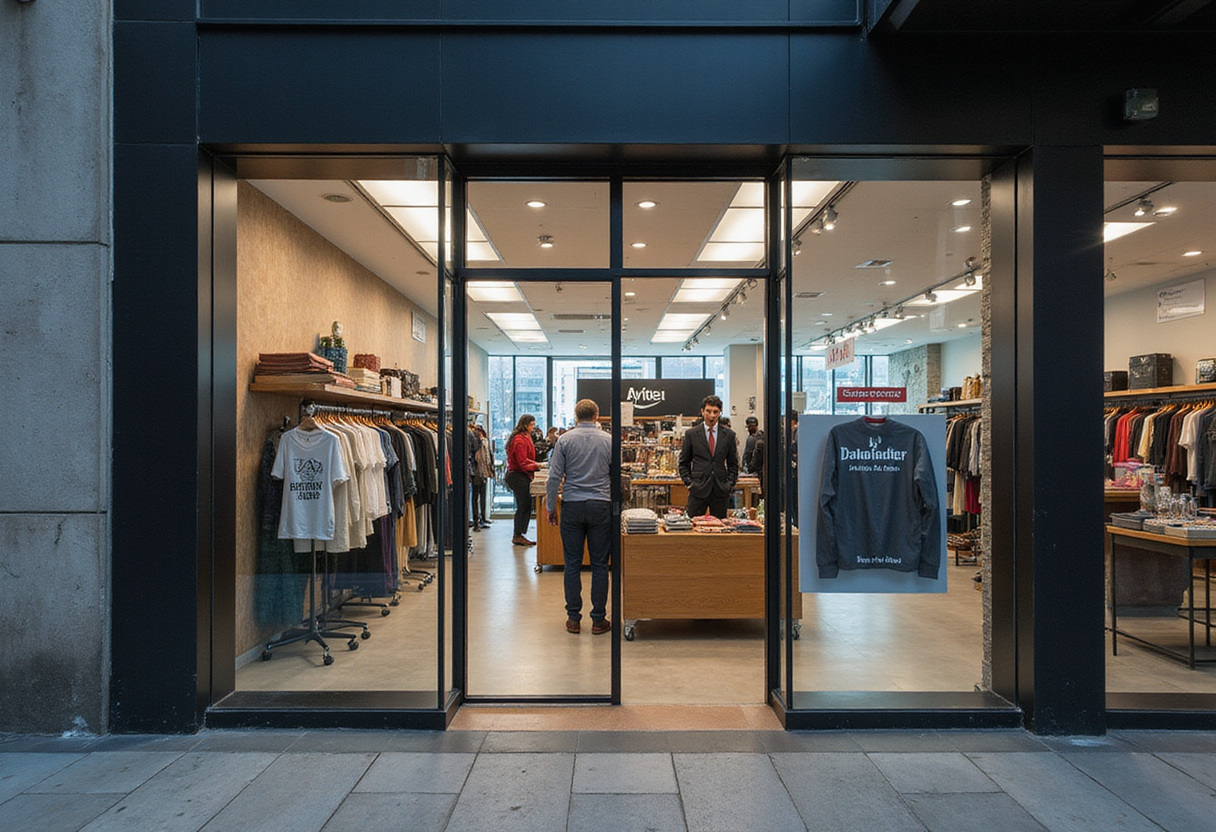
The United States has cut tariffs on goods from Bangladesh, according to a Bloomberg headline circulated this week, but the move arrives with an explicit apparel exception—a carve-out that, on its face, leaves the country's garment-dominated export base untouched.
For sourcing teams accustomed to recalculating landed cost at every policy tremor, the carve-out is the headline within the headline. The precise rate change, the effective date, and the legal mechanism—an executive action, a reciprocal-tariff revision or a programmed phase-down—remain unpublished in the items available so far.
For brand and supply-chain managers, the practical question is narrow: does the cut touch the ready-made garments Bangladesh ships to the United States? On the current evidence, the answer is no.
What the "apparel exception" most likely means
A tariff announcement that names an apparel exception typically signals that garments, accessories and made-up textile articles remain at their prior duty schedule. In trade-policy shorthand, an exception is a hold, not a concession. The Bloomberg headline's phrasing, with apparel singled out for exclusion, points in that direction.
This matters because apparel is the single largest line item in Bangladesh's export portfolio. The country ships more ready-made garments to the United States than any other category by a wide margin.
US buyers—mass retailers, value-tier specialists and a growing roster of mid-market labels—anchor much of their South Asian capacity there. If the cut applies to other categories but skips the cut-and-sew complex, the sourcing calculus does not move.
What the cut does change
For non-apparel categories, the cut opens a small window of price competitiveness for Bangladeshi suppliers competing with Vietnam, Indonesia and Cambodia in segments such as home textiles, leather goods and processed food.
Volumes in those segments are smaller than garments, but a lower duty can shift the make-or-buy math for buyers who already dual-source. Bangladesh's non-garment manufacturing base has, in recent years, picked up new lines in footwear components, plastics and processed agricultural goods—each of which could benefit.
Compliance teams should also note that tariff changes of this kind often arrive with new origin-verification or transshipment rules, even when not advertised in the headline. Sourcing managers who have shifted intermediate processing through Bangladesh to capture duty advantage on neighbouring-country exports will want to read the Federal Register notice carefully when it is published.
What does this change for sourcing teams?
In practical terms, very little, at least for the moment. The garment margin that landed in a Bangladesh factory last week will, on present information, land at roughly the same number next week.
The cut improves the country's bargaining position in non-garment categories and may marginally slow the migration of those sub-sectors to competitors, but it does not reorder the apparel map.
Until the Federal Register publishes the schedule, and until the garment-specific treatment is confirmed in full, sourcing decisions should be made on existing duty assumptions. A prudent response is to instruct compliance leads in Dhaka to flag revised purchase-order terms that cite the new schedule, and to defer FOB renegotiations on existing programmes.
If the exception is later confirmed in writing, the sector will have watched a tariff round pass without touching the line item that pays the most wages in its largest non-Chinese sourcing base. That outcome would itself be a fact worth filing.
via Google News: Apparel & textile tariffs (Source)
More from Tom Whitfield
Show full bio
Market editor covering regulation, policy and their impact on fashion industry as a trade and business at The Fabric Brief.
212 articles
Also on the board
- US Cuts Bangladesh Tariffs, Carves Out Apparel Exception: Scope Still Undefined
- Bangladesh Secures Lower US Tariffs and Exemptions on Clothing
- Bangladesh apparel tariff cut to 19% with US-content exemption
- US-Bangladesh Textile Pact: Zero-Tariff Promise Meets Supply Chain Reality
- US Cuts Bangladesh Tariffs to 19% in Trade Deal