Swatch card No. SW-2412 · cut October 13, 2026
Trade & TariffsMill spec card
US Cuts Bangladesh Tariffs, Carves Out Apparel Exception: Scope Still Undefined
The United States has reduced tariffs on Bangladesh imports and carved out an apparel exception, per FashionNetwork USA. Sourcing teams gain direction but no confirmed rate, date or HTS line scope.
- Fiber
- Trade & Tariffs
- Count
- 3 min read
- Cut
- Weight
- 587 words
Spec notes
- US has cut tariffs on imports from Bangladesh and included an apparel exception, per FashionNetwork USA
- The new headline duty rate on Bangladesh goods is not disclosed in available reporting
- Effective date, Federal Register citation and HTS line coverage are not yet confirmed
- Garments are Bangladesh's principal US-bound export category under the RMG framework
- Sourcing teams advised to await CBP CSMS bulletin before repricing purchase orders
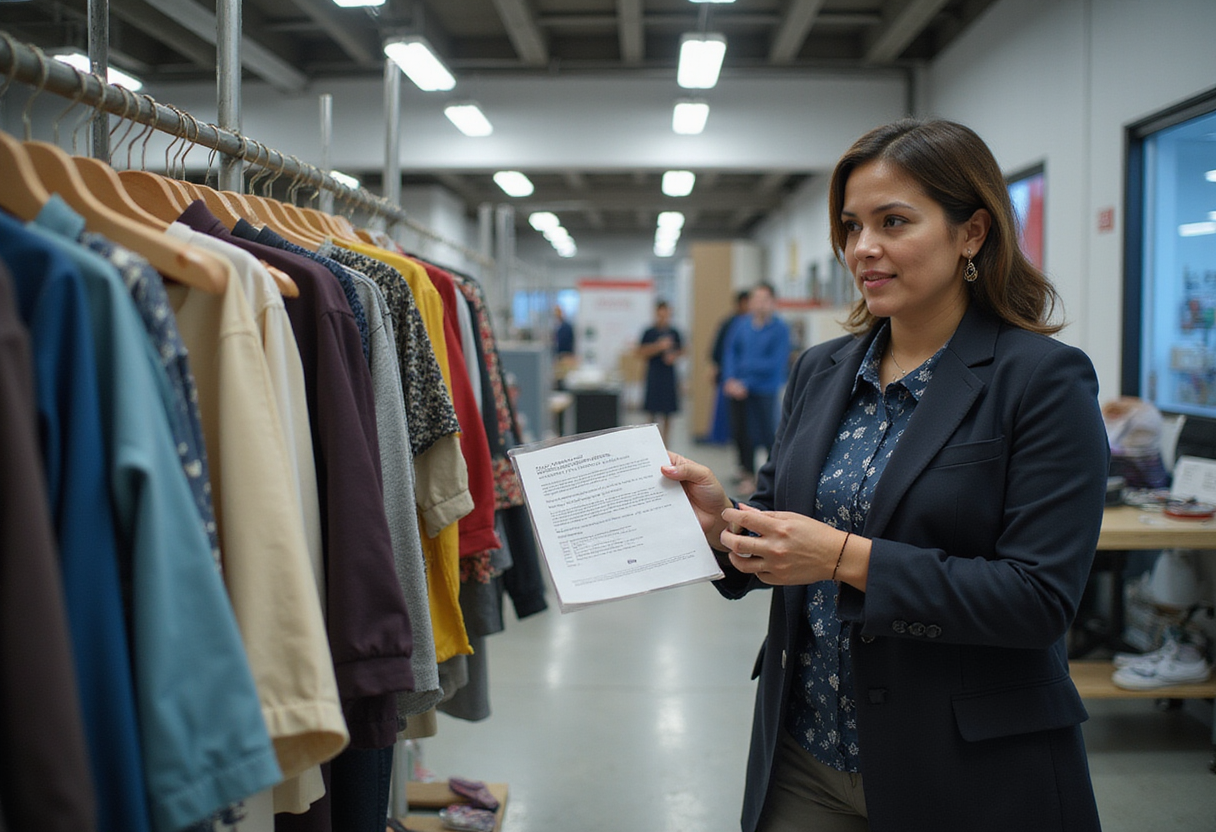
The United States has reduced tariffs on imports from Bangladesh and added an apparel exception, according to FashionNetwork USA. The headline is short on detail. For sourcing teams it resets every landed-cost (total cost of goods at port, including duty and freight) assumption on the docket.
Bangladesh is a top-tier apparel manufacturing base for US brands, with a readymade garment sector (RMG, the cut-and-sew export industry) that dominates the country's export earnings. Any change in US duty on garments from Dhaka moves the P&L (profit-and-loss statement) math on cotton jersey, denim, woven bottoms and basic knit programs.
What does the ruling change?
The apparel exception is the actionable element. It carves garments out of the broader tariff framework applied to Bangladesh. The new duty rate on Bangladesh goods is not stated in the available reporting. The effective date is not stated. The underlying legal instrument — executive order, proclamation or Federal Register notice — is not cited.
Buyers should not yet amend PO (purchase order) pricing. The information is direction, not yet operational guidance. A skeptical read: confirm the text before quoting savings to a finance team.
Why apparel matters in this decision
Garments are Bangladesh's principal US-bound export category. The country competes on cost with Vietnam, India, Pakistan, Cambodia and Honduras. A blanket US tariff without an apparel exception would have erased Dhaka's landed-cost edge. The exception preserves it.
- The carve-out protects margin on basic apparel programs.
- It holds duty parity with regional competitors.
- It reduces the pass-through risk to mid-tier US retailers.
- It limits reformulation of FOB (free on board, the incoterm covering cost up to vessel loading) cost sheets across the spring sourcing cycle.
What remains unverified
The FashionNetwork headline confirms only direction. The report does not name:
- The new headline tariff rate on non-apparel Bangladesh goods
- The HTS (Harmonized Tariff Schedule, the US duty classification system) lines covered by the apparel exception
- Effective dates and any retroactive application
- Documentation requirements at US Customs and Border Protection, or CBP
- Whether volume or country-of-origin thresholds apply
Factories and buying houses in Dhaka cannot yet quote revised lead times or revised duty lines. Compliance teams should hold booking entries until the CBP CSMS (Cargo Systems Messaging Service, the agency's real-time trade bulletin) bulletin is published. That document is the authoritative operational signal for US import clearance.
Caveat follows every promise
The tariff cut is confirmed in headline form. The operational detail is absent. Sourcing managers who act on partial information risk misclassification, duty underpayment or duplicate entries. Finance teams should treat the report as preliminary until the Federal Register notice is verified.
A check: the headline exception could be narrower than it reads. "Including apparel" may mean selected lines, not the full RMG basket. Confirm HTSUS (Harmonized Tariff Schedule of the United States) line coverage before repricing.
What to watch next
- The Federal Register entry identifying the new rate.
- The CBP CSMS bulletin for port-of-entry instructions.
- Any BGMEA (Bangladesh Garment Manufacturers and Exporters Association) advisory on shipment timing.
- Bangladesh Ministry of Commerce guidance on quota or licensing impacts, if any.
Sourcing teams should freeze landed-cost assumptions at the last verified rate until primary-source documents appear. The next 30 days will determine whether the exception is blanket or category-specific, and whether mid-tier US retailers can resume standard PO cadence on Bangladesh programs without absorbing the headline rate elsewhere on the bill of materials.
via Google News: Apparel & textile tariffs (Source)
More from Priya Raman
Show full bio
Correspondent covering people, launches and day-to-day practice in fashion industry as a trade and business at The Fabric Brief.
194 articles
Also on the board
- Bangladesh Secures Lower US Tariffs and Exemptions on Clothing
- US Trims Tariffs on Bangladesh, but Spares the Apparel Sector
- Bangladesh apparel tariff cut to 19% with US-content exemption
- US-Bangladesh Textile Pact: Zero Tariff Talk Meets Supply Chain Reality
- US Cuts Bangladesh Tariffs to 19% in Trade Deal