Swatch card No. SW-3541 · cut October 10, 2026
Trade & TariffsMill spec card
US Hits 60+ Countries With 10-12.5% Forced-Labor Tariffs; Textile Carve-Outs Draw NCTO Fire
USTR has set Section 301 tariffs at 10% or 12.5% on 60-plus economies covering 99% of US imports, with apparel carve-outs for Bangladesh, Cambodia, Indonesia and Malaysia that NCTO says undermine domestic mills.
- Fiber
- Trade & Tariffs
- Count
- 4 min read
- Cut
- Weight
- 825 words
Spec notes
- Section 301 tariffs set at 10% or 12.5% on more than 60 countries, covering 99% of US imports
- Textile/apparel imports from Bangladesh, Cambodia, Indonesia and Malaysia exempted based on US cotton purchases
- USTR investigation ran four months with 2,100+ public comments and two hearing rounds but no country-specific methodology published
- NCTO says the US textile industry employs 453,000 workers and has lost 41 plants in two-plus years
- Lawyers say no short-term path exists for sanctioned countries to remove the tariffs even if they enact forced-labor bans
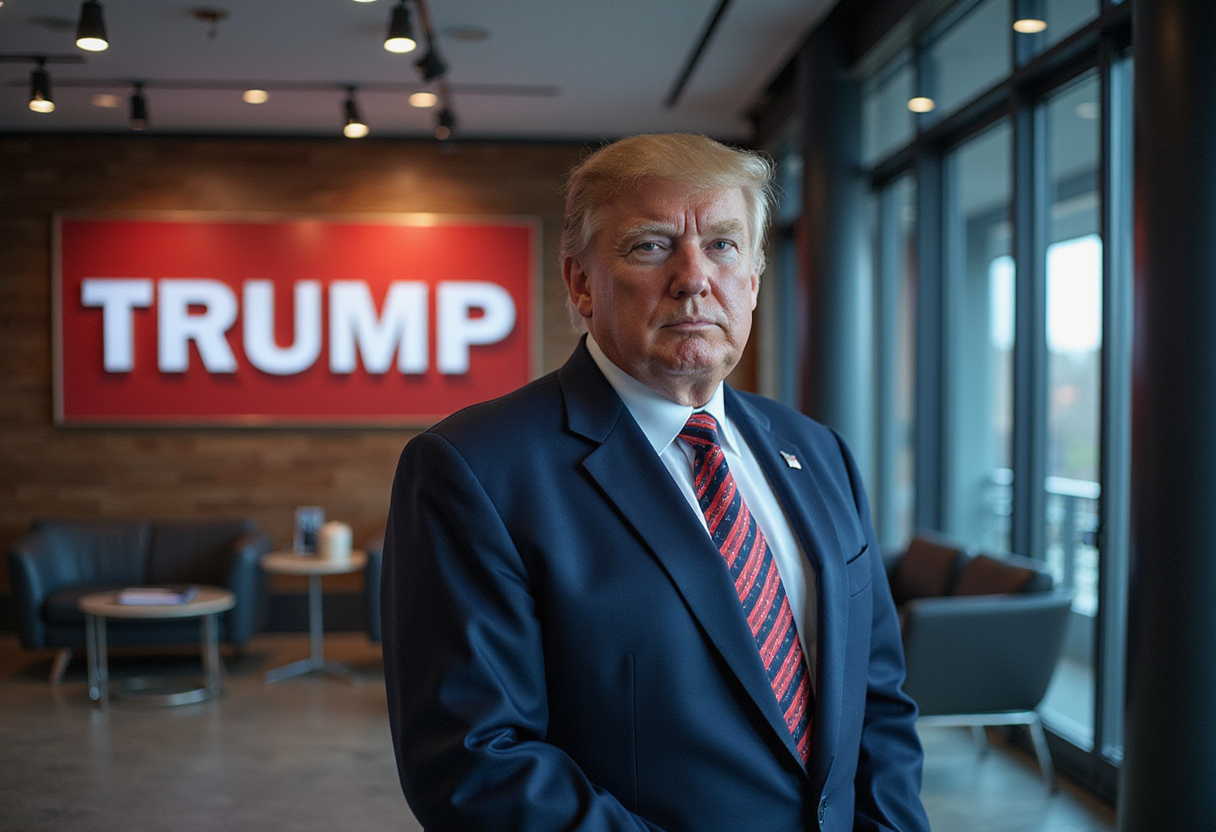
The Trump administration has imposed Section 301 tariffs of either 10% or 12.5% on more than 60 countries, effective just as a temporary 10% worldwide tariff expired. The duties target economies the U.S. Trade Representative says fail to enforce import bans on goods produced with forced labor.
What legal mechanism is the administration using?
The tariffs rest on Section 301 of the Trade Act of 1974, the same authority used in the first Trump term against Chinese imports. Barry Appleton, co-director of New York Law School's Center for International Law, called the strategy a workaround.
"The 301s allow a permanent tariff without going to Congress to settle the dispute," Appleton said. "That's what all of this is about. The president doesn't want to knock on the front door of Congress, so he's trying every side door and every unlatched window to get in."
Critics argue the move replaces expired temporary tariffs, not genuine forced-labor enforcement.
How wide is the net?
The 60-plus sanctioned economies account for 99% of U.S. imports. Rates sit at a flat 10% or 12.5%, with no published country-specific methodology despite a four-month USTR investigation that included two rounds of public hearings and more than 2,100 comments.
Scott Lincicome, vice president for general economics and trade policy at the Cato Institute, questioned the evidence base. "There's not a lot of hard evidence there," he said. "It's pretty laughable on its face to think that a country like the ones in Europe or in Norway or Switzerland aren't doing enough to police forced labor."
What does removal look like?
Short of compliant action, no quick exit exists. Holland & Knight partner and former U.S. trade official Patrick Childress warned that even countries that adopt the forced-labor bans Washington demands must still prove enforcement to USTR's satisfaction.
"This suggests that no short-term path for countrywide relief from the new Section 301 tariffs will be available," Childress said.
How are trading partners responding?
- Brazil (12.5% rate): called the move "arbitrary and unjustified," accusing Washington of "manipulating" human-rights concerns to target 59 countries and the EU.
- Australia (12.5% rate): Trade Minister Don Farrell said in Adelaide that his country "does take the issue of slavery, modern slavery, seriously, and will continue to do that."
- Several European allies: also disputing the rationale.
What textile carve-outs mean for sourcing
USTR has carved out exemptions for textile and apparel imports from Bangladesh, Cambodia, Indonesia, and Malaysia, conditioned on those countries' purchases of U.S. cotton and textiles. The National Council of Textile Organizations (NCTO) attacked the mechanism as harmful to domestic mills.
NCTO chief executive Kim Glas said: "No other industry has been more disadvantaged by forced labor than the U.S. textile industry, which employs 453,000 workers and has lost 41 plants over the past two plus years. We remain strongly concerned that USTR's textile mechanism will harm the very domestic manufacturers the administration seeks to help."
For sourcing teams, the carve-outs preserve duty-free access on apparel from four of the largest U.S. apparel suppliers, while leaving Vietnam, India, Pakistan and other major garment hubs subject to the new 10-12.5% Section 301 layer.
How does this stack against existing US forced-labor law?
The U.S. already runs two import-blocking regimes:
- Tariff Act of 1930 (Section 307): grants Customs and Border Protection authority to seize suspect shipments; the 2016 Trade Facilitation and Trade Enforcement Act closed the "consumptive demand" loophole that had let imports through when domestic supply was short.
- Uyghur Forced Labor Prevention Act (UFLPA, 2021): presumes goods from China's Xinjiang region are made with forced labor unless importers prove otherwise.
Enforcement gaps remain. A 2015 AP investigation documented slave labor in Southeast Asian seafood reaching U.S. supermarkets and pet food lines; a 2020 AP probe found labor abuses across the $65 billion palm oil supply chain, with output flowing to Unilever, L'Oreal, Nestle and Procter & Gamble.
What compliance benchmarks do brands want?
National Retail Federation vice president Jonathan Gold, speaking for the Joint Association Forced Labor Working Group at this month's USTR hearings, called for binding benchmarks rather than open-ended determinations.
He said import bans require "clear, measurable benchmarks" tied to tariffs, alongside U.S. support helping countries build enforcement programs. Boies Schiller Flexner partner Kenya Davis added that an effective ban needs a "comprehensive approach," with transparency around USTR's investigation methodology and aid for countries building enforcement capacity.
What's the near-term sourcing impact?
Buyers with apparel programs in the four carved-out origins should expect continued duty-free treatment contingent on documented U.S. cotton and textile purchases, while programs routed through any of the 60 sanctioned countries will absorb a new 10% or 12.5% landed-cost line item with no defined removal timeline.
via apnews.com (Original)
More from Priya Raman
Show full bio
Correspondent covering industry trends and analytics at The Fabric Brief.
159 articles
Also on the board
- Trade Court Grills Both Sides in Challenge to Forced Labor Tariffs
- USTR Proposes 10–12.5% Tariffs on 60 Economies Over Forced Labor Gaps
- USTR Finalizes Section 301 Tariffs on 60 Economies Over Forced Labor Gaps
- White House Pivots to Section 301 Forced-Labor Tariffs as Section 122 Surcharge Lapses
- USTR Proposes Section 301 Tariffs Targeting 60 Economies