Swatch card No. SW-8895 · cut October 20, 2026
Brands & Retail BusinessMill spec card
True Religion Tests Sale at Near-$1bn Valuation After EBITDA Doubles
True Religion is exploring a sale near a $1bn valuation with JPMorgan advising, after EBITDA nearly doubled to about $150m on close to $550m in revenue, Reuters reports.
- Fiber
- Brands & Retail Business
- Count
- 3 min read
- Cut
- Weight
- 536 words
Spec notes
- True Religion exploring sale at valuation approaching $1bn; JPMorgan advising, process at early stage, per Reuters.
- EBITDA nearly doubled since December 2024 acquisition to about $150m annually on close to $550m revenue.
- ACON Investments acquired controlling interest in December 2024 with SB360 Capital Partners.
- CEO Michael Buckley says jeans account for 35-40% of revenue; company operates about 60 stores and targets 150.
- No buyer identified and no timetable provided; company filed for bankruptcy in 2017 and 2020.
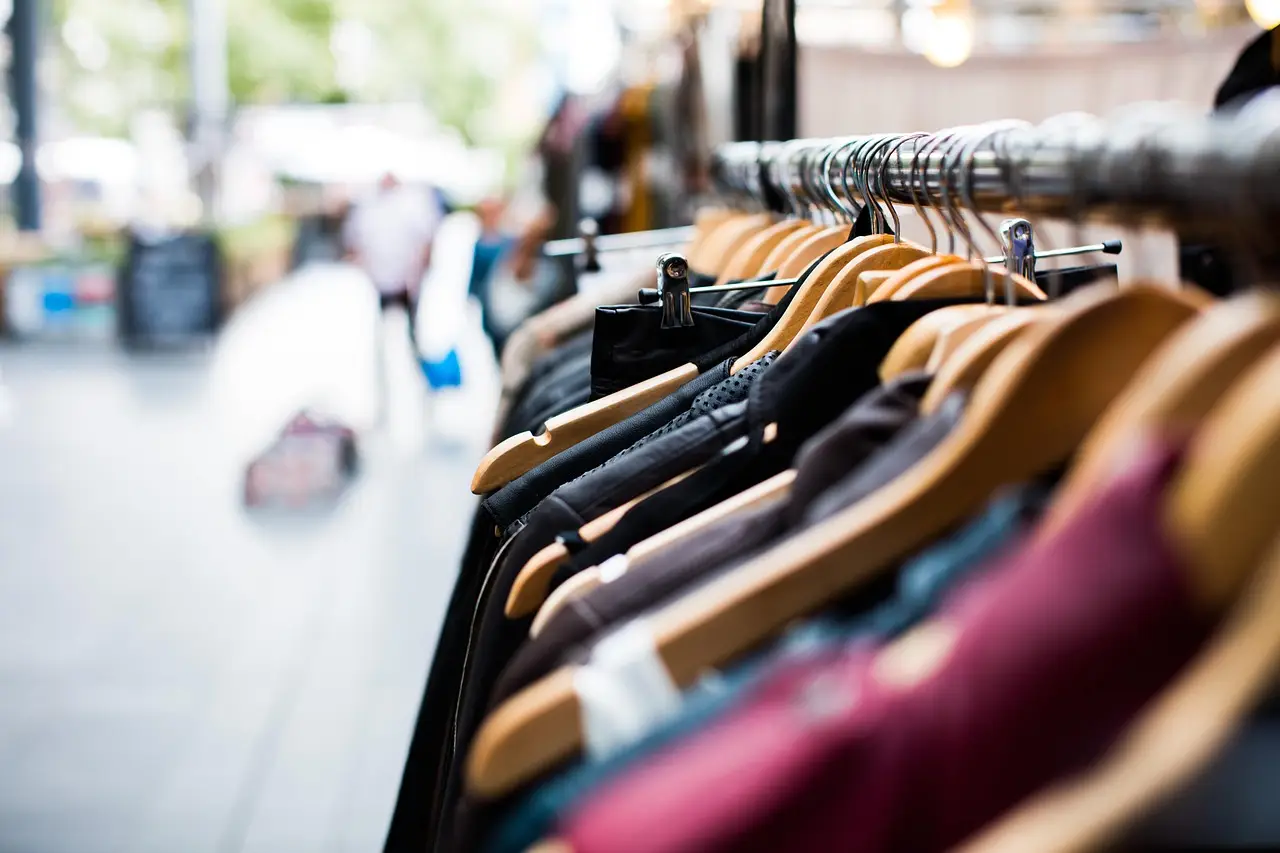
True Religion is exploring a sale at a valuation approaching $1bn, Reuters reports, with JPMorgan advising on a process that sources describe as early-stage and without a named buyer or timetable.
The premium denim brand generates close to $550m in annual revenue. Earnings before interest, tax, depreciation and amortisation (EBITDA, a core profitability measure) have nearly doubled since late 2024, to about $150m annually, according to Reuters. That implies an EBITDA margin near 27% — a strong figure for a denim-led apparel brand, if the number holds under buyer due diligence.
The caveat is structural: no buyer has signed anything. The sources offered no timetable. An exploration is not a transaction.
Who owns the asset now?
ACON Investments holds a controlling interest, acquired in December 2024 alongside SB360 Capital Partners, an affiliate of the Schottenstein family. A sale at the reported valuation would mark a fast exit — roughly two years from purchase to process — which usually signals an owner accelerating returns rather than building long-term.
True Religion had not responded to Just Style's request for comment at the time of writing. That leaves the earnings and revenue figures resting on unnamed sources, not audited disclosure.
What does the turnaround actually rest on?
Founded in 2002 in Los Angeles, True Religion built its original business on premium jeans and its distinctive "Super T" stitching. The company filed for bankruptcy in 2017 and again in 2020 during the pandemic, so the current valuation narrative follows two court restructurings within a decade.
Since then, the business has broadened beyond denim. It now sells lower-priced jeans and a wider range across clothing categories, genders and age groups. Chief executive Michael Buckley said on a podcast this month that jeans account for between 35% and 40% of revenue — meaning nearly two-thirds of sales now come from other product.
Buckley described the company as an "urban casual lifestyle brand." The business has also benefited from renewed consumer interest in early-2000s fashion, a cyclical tailwind that any buyer should discount, since nostalgia-driven demand rarely persists across a hold period.
What about the retail footprint?
True Religion is based in El Segundo, California, and operates about 60 physical stores. Buckley said the company aims to increase that number to 150 — a near-tripling of the store base, announced as an ambition rather than a funded plan.
For sourcing and supply-chain teams, the relevant read is scale. A brand moving from 60 toward 150 doors, with a broader product range beyond denim, will need expanded cut-and-sew capacity and a vendor base that can handle category spread at lower price points. None of that detail appears in the reported figures.
What is confirmed versus claimed?
Confirmed: the JPMorgan-mandated exploration, the ownership structure, the bankruptcy history, the store count, and Buckley's revenue-mix comments. Claimed but unverified: the near-$1bn valuation, the $150m EBITDA figure, and the 150-store target.
The company's silence on the record keeps it that way for now. Any deal would test whether the post-2024 earnings doubling reflects durable brand economics or a fashion cycle peak, and the market's answer should arrive once, or if, formal bids emerge.
via Just Style (Source)
More from Priya Raman
Show full bio
Correspondent covering people, launches and day-to-day practice in fashion industry as a trade and business at The Fabric Brief.
259 articles
Also on the board
- Inflection Point Ventures Leads $1.4 mn Round in Thimblerr
- Public Clothing Co. Buys Mansur Gavriel Outright From GF Capital
- Arvind Fashions Pumps Rs 50 Crore Into Flying Machine Operator AYBPL
- Loose Threads: Wrangler, Lucky and Citizens of Humanity in Brief
- Fleek Raises $25M to Rebuild Secondhand Fashion Supply Chain