Swatch card No. SW-1819 · cut October 20, 2026
Brands & Retail BusinessMill spec card
Chinese Apparel Brands Open Paris Flagships as Reverse Daigou Grows
Chinese apparel brands are opening Paris flagship stores as overseas shoppers buy Chinese clothing via reverse daigou, 36 Kr reports, signalling a structural reversal in the industry.
- Fiber
- Brands & Retail Business
- Count
- 3 min read
- Cut
- Weight
- 542 words
Spec notes
- Chinese apparel brands are opening flagship stores in Paris, 36 Kr reports.
- Overseas consumers increasingly buy Chinese clothing through reverse daigou channels.
- The trend reverses the traditional model in which Chinese consumers bought foreign labels through daigou agents.
- The shift moves Chinese apparel from contract manufacturing toward full retail capture under Chinese brand names.
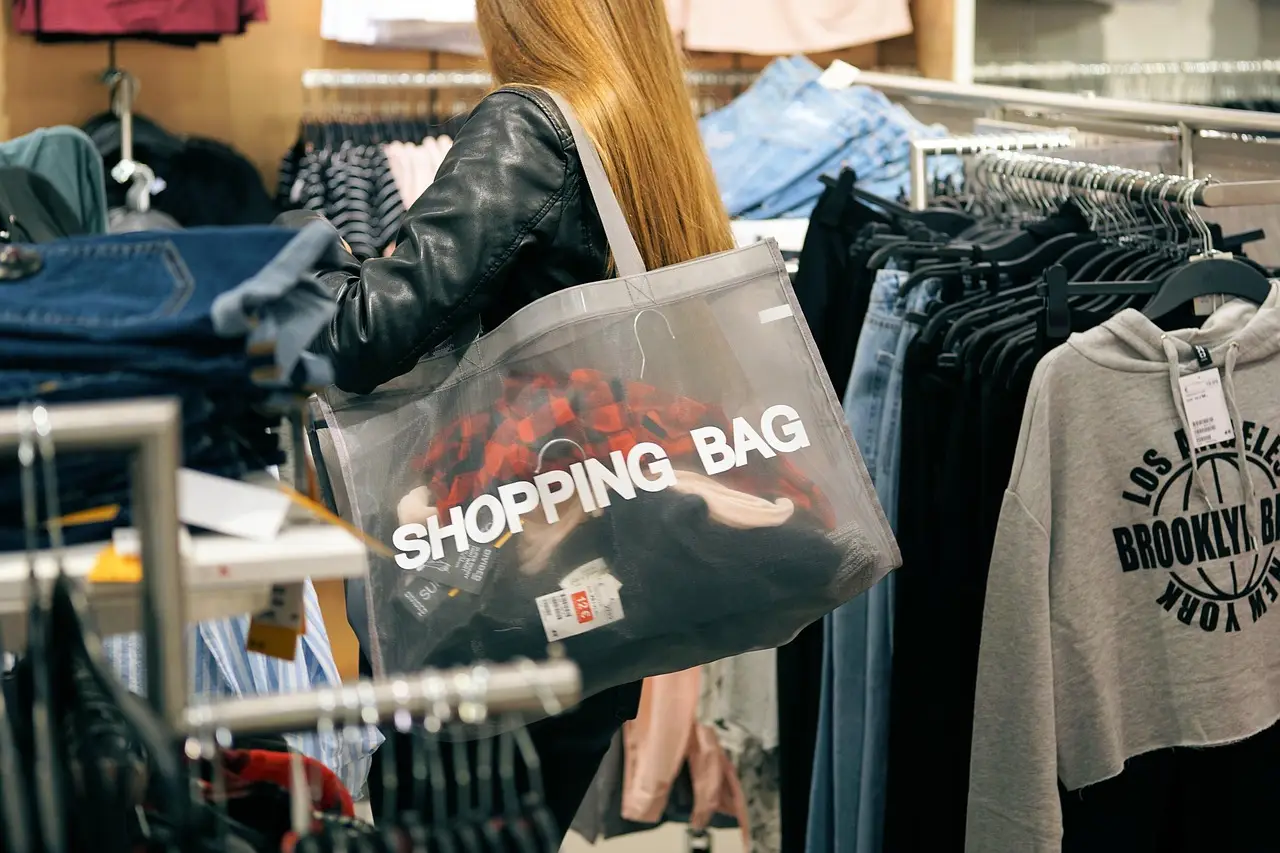
Chinese apparel brands have begun opening flagship stores in Paris, marking a reversal of the industry's traditional direction of travel, 36 Kr reports. The move caps a shift that started with overseas consumers buying Chinese clothing through reverse daigou channels.
The report frames the change as a new era for the apparel industry. For two decades the flow ran one way. Chinese factories produced for Western brands, and Chinese shoppers paid premiums for foreign labels through daigou intermediaries. That pattern has now inverted.
What is reverse daigou?
Under the older model, daigou agents bought goods abroad on behalf of Chinese consumers and carried them home. Reverse daigou runs the opposite course. Overseas buyers now purchase Chinese-made clothing, either directly from Chinese platforms or through agents who source on their behalf from China.
The mechanism matters for sourcing teams because it signals demand-side pull rather than vendor-side push. Foreign customers are seeking out Chinese product without the marketing infrastructure of a traditional export brand.
Why Paris, and why flagships?
According to 36 Kr, Chinese apparel brands are moving from online cross-border sales into physical retail in one of Europe's most expensive retail markets. A Paris flagship store serves several commercial functions at once. It tests whether a brand born online can convert foot traffic in a mature market. It establishes a legal and logistical base inside the European Union. It also signals to wholesale partners and landlords that the brand intends to stay.
Physical retail in Paris carries costs that pure e-commerce does not. Store fit-out, staff, local tax compliance and inventory positioned in Europe all lengthen the capital-recovery cycle. Brands making this move are effectively converting lightweight cross-border margins into fixed-cost retail commitments.
What does this mean for sourcing and supply chains?
The shift carries implications across the value chain.
- Channel mix. Brands that once relied on cross-border e-commerce now run dual channels, with owned retail in Europe alongside online sales.
- Inventory placement. Flagship stores require stock held closer to the customer, changing lead-time calculations for Chinese factories.
- Brand positioning. Selling under a Chinese brand name in Paris moves the margin from contract manufacturing toward full retail capture.
For Chinese suppliers, the change can pull production into shorter, more responsive cycles. European store replenishment demands faster turnaround than bulk export orders. Factories able to support small-batch, quick-turn production stand to gain.
For Western brands and retailers, the development introduces new competition. The same factories that produce for global labels may now also serve domestic Chinese rivals selling directly into Western markets.
Confirmed moves versus reported trend
The 36 Kr report describes an industry-wide direction rather than a single confirmed transaction. The publication identifies the Paris flagship openings and the growth of reverse daigou as paired signals of the same structural change: Chinese apparel has moved from made-in-China to sold-by-China.
Sourcing executives should treat the trend as an early indicator rather than a completed shift. The test ahead is whether Chinese brands can sustain European retail economics — rents, staffing, compliance — beyond flagship visibility. The report suggests the direction of travel is set; the pace will depend on how these first stores perform.
via Google News: Apparel & garment industry (Source)
More from Rebecca Stone
Show full bio
Staff writer covering people, launches and day-to-day practice in fashion industry as a trade and business at The Fabric Brief.
219 articles
Also on the board
- China's 15th Five-Year Plan Recasts Textile Sector as Brand Builder
- US Tariffs Accelerate Apparel Sourcing Shift Beyond Asia
- Myanmar apparel makers showcase at Texworld Apparel Sourcing Paris
- China apparel sourcing reliance eases, but the country stays central in 2026
- US Trims China Tariffs on Toys and Appliances, Leaves Footwear and Apparel Out